


Long-haul flights make it possible to explore distant destinations, reunite with loved ones, and experience new cultures. However, spending several hours in a cramped airplane cabin can leave travelers feeling tired, stiff, and uncomfortable. The good news is that a little preparation can make even the longest journey more enjoyable.
Whether you are flying internationally for a vacation or traveling for business, these practical tips can help you stay comfortable, get better rest, and arrive at your destination feeling more refreshed.
1. Choose Your Seat Carefully
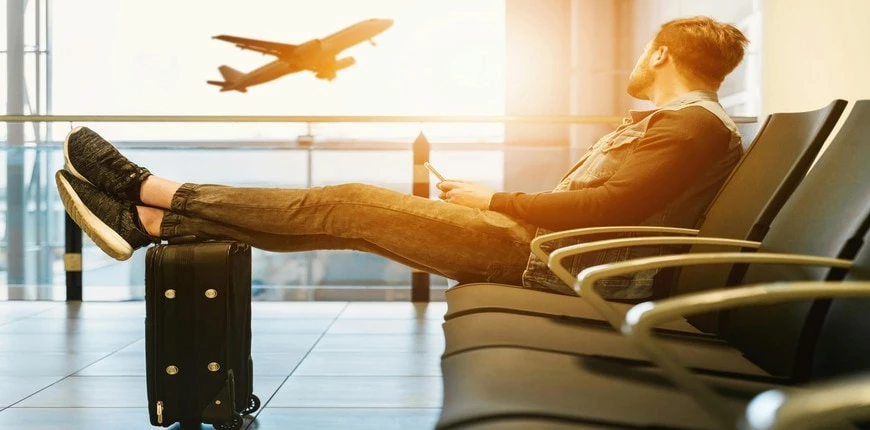
Your seat can significantly affect your flying experience. Window seats are ideal for travelers who prefer leaning against the cabin wall while resting, while aisle seats make it easier to stand up and move around.
If you need extra legroom, consider available seats with additional space, keeping in mind that airlines may charge extra for them. Booking early can give you more choices, although seat availability depends on the airline and flight.
2. Wear Comfortable Clothing
Tight clothing can become uncomfortable during long periods of sitting. Choose breathable fabrics, relaxed-fit trousers, and comfortable shoes that are easy to remove when appropriate.
Airplane cabins can feel cold, so carrying a light jacket, cardigan, or scarf is a good idea. Dressing in layers allows you to adjust your outfit to changing temperatures throughout the journey.
3. Pack Essential Travel Accessories
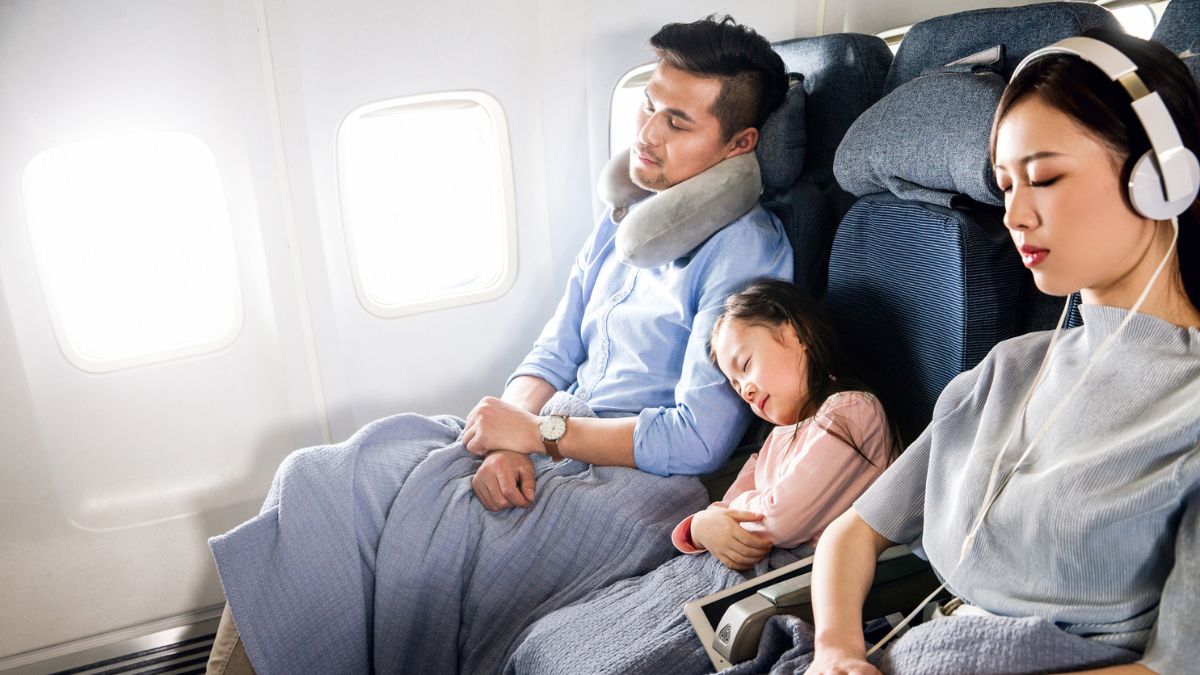
A few small accessories can make a noticeable difference during a long flight. Consider packing a supportive travel pillow, an eye mask, earplugs, and noise-cancelling headphones.
These items can help reduce distractions and create a more relaxing environment, particularly when other passengers are talking or cabin lights are on. A lightweight travel blanket can also help you stay comfortable while resting.
Keep your essentials in an easily accessible personal bag so you do not need to repeatedly open the overhead compartment.
4. Stay Hydrated Throughout the Flight
Airplane cabins have low humidity, which can contribute to dry skin, dry eyes, and general discomfort. Drink water regularly during your journey rather than waiting until you feel thirsty.
Limit excessive alcohol and caffeine, particularly when you are trying to sleep, as both can interfere with rest. You can also carry lip balm, moisturizer, and lubricating eye drops if you commonly experience dryness.
5. Move and Stretch Regularly
Sitting in the same position for several hours can cause stiffness, back discomfort, and swelling in the legs. Whenever it is safe to do so, stand up and walk around the cabin periodically.
While seated, try gentle ankle circles, shoulder rolls, and foot movements. Follow the crew’s instructions and remain seated with your seat belt fastened whenever required.
Movement is especially important on long journeys because prolonged immobility can increase the risk of blood clots. Travelers with additional risk factors should seek medical advice before flying about any extra precautions they may need.
6. Plan Your Sleep in Advance
Sleeping on a plane can be difficult, but preparation helps. If possible, adjust your sleep schedule gradually before traveling across multiple time zones.
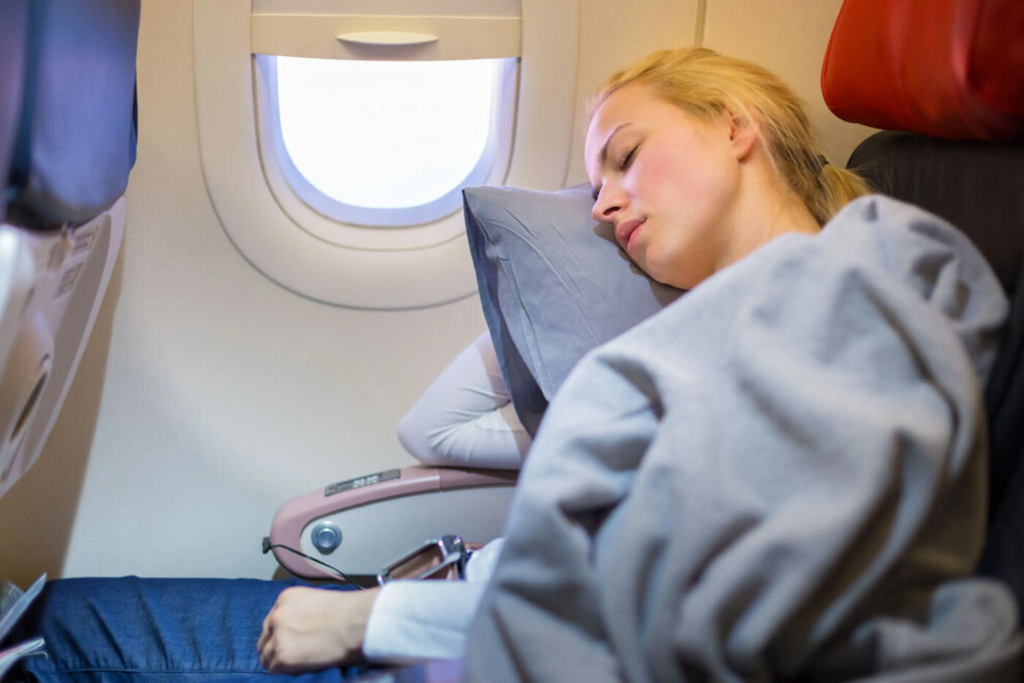
During the flight, use an eye mask and earplugs to reduce distractions. Try to sleep when it aligns with nighttime at your destination, particularly on overnight journeys.
Avoid relying on alcohol or unprescribed sleep aids to fall asleep. If you are considering medication for travel-related sleep difficulties, consult a healthcare professional.
7. Bring Your Own Entertainment
Long flights feel shorter when you have something enjoyable to do. Download movies, television episodes, podcasts, audiobooks, or playlists before leaving home.
You can also bring a book, puzzle, journal, or e-reader. Downloading your entertainment in advance is particularly useful if the aircraft’s Wi-Fi is unavailable or onboard entertainment does not meet your preferences.
Remember to pack charging cables and a compatible power bank, following airline rules for carrying batteries.
8. Pack Snacks and Travel Essentials
Although airlines often provide meals on long-haul flights, carrying a few suitable snacks can be helpful if you become hungry between meal services.
Choose convenient options such as nuts, crackers, or packaged snacks that meet your dietary needs and destination’s food-import rules. Keep essential medication, travel documents, a toothbrush, and basic toiletries in your carry-on luggage.
A spare top can also be useful if you want to freshen up before landing.
9. Eat Light and Avoid Overindulging
Heavy meals can leave you feeling uncomfortable when you remain seated for long periods. Choose balanced meals and eat according to your appetite.
If you are prone to bloating, consider limiting foods and carbonated drinks that commonly trigger symptoms for you. Eating slowly and drinking water regularly may also help you feel more comfortable.
10. Prepare for Jet Lag Before Landing
Crossing multiple time zones can disrupt your body’s internal clock. A few days before departure, gradually adjust your bedtime toward the destination’s schedule when practical.
During the flight, consider the local time at your destination when deciding whether to sleep or stay awake. After arrival, exposure to natural daylight and following local meal and sleep times can help your body adjust.
Final Thoughts
Long-haul flights do not have to be exhausting. Choosing a suitable seat, wearing comfortable clothing, staying hydrated, moving regularly, and preparing for sleep can make a meaningful difference to your journey.
Plan ahead, pack thoughtfully, and give yourself time to adjust after landing. With these simple habits, you can make long-distance travel more comfortable and begin your next adventure feeling better prepared.