



Technology is changing the way people travel, and the hotel industry is no exception. Today’s travelers expect more than a comfortable bed and friendly service. They also look for convenient bookings, quick check-ins, personalized experiences, and easy access to hotel facilities. From mobile apps to artificial intelligence (AI), modern technology is helping hotels meet these expectations while making stays more comfortable and efficient.
As digital solutions continue to develop, hotels are finding new ways to improve guest satisfaction and create memorable experiences.
1. Faster Check-In With Digital Solutions
Traditional hotel check-ins can involve waiting in queues, completing paperwork, and collecting physical room keys. Digital technology is making this process simpler.
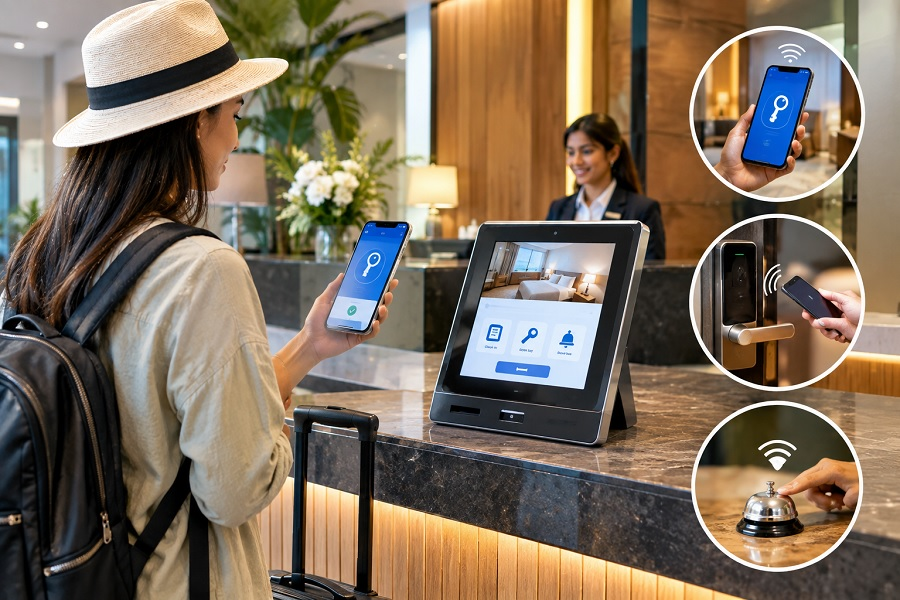
Many hotels now offer online check-in, self-service kiosks, and mobile room keys. Guests can complete some formalities before arriving and, where supported, use their smartphones to access their rooms.
These options save time, especially during busy travel periods. They also give hotel staff more opportunities to assist guests who need personal attention or have specific requests.
2. Smart Hotel Rooms for Greater Comfort
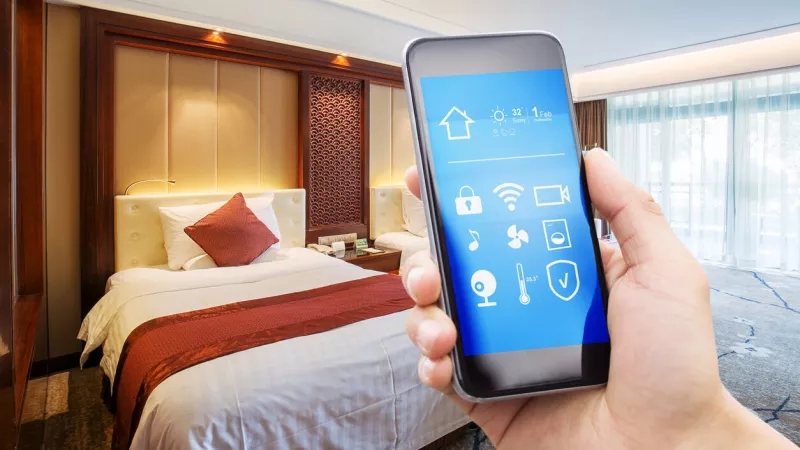
Smart room technology allows guests to control different aspects of their accommodation through mobile devices, touch panels, or voice commands.
Depending on the property, these features may include adjustable lighting, temperature controls, automated curtains, and connected entertainment systems. Some hotels also provide smart televisions that make accessing streaming services easier.
These conveniences help guests personalize their surroundings according to their preferences. Energy-efficient lighting and climate controls can also help hotels manage electricity consumption when rooms are unoccupied.
3. Artificial Intelligence and Personalized Service
Artificial intelligence is becoming an important part of modern hospitality. Hotels can use AI-powered chatbots and virtual assistants to answer common questions, share information about facilities, and help guests make simple service requests.
For example, a guest might use a chatbot to ask about breakfast timings, restaurant availability, or nearby attractions without waiting for a staff member to respond.
Hotels can also use booking information and voluntarily shared preferences to offer more relevant recommendations. A guest interested in wellness might receive information about spa services, while a family could be directed toward child-friendly activities.
However, personalization works best when hotels handle guest information responsibly and allow people to understand how their data is used.
4. Mobile Apps Make Hotel Services Easier to Access
Hotel mobile apps are bringing several services together in one place. Depending on the property, guests may be able to request housekeeping, order room service, book spa appointments, arrange transportation, or contact the front desk directly through an app.
Digital payments can make transactions more convenient, while mobile notifications can provide updates about reservations, check-in times, and hotel activities.
These tools reduce the need for multiple phone calls or visits to reception. They also allow guests to manage their stay at their own pace.
5. Better Communication and Faster Problem Resolution
Technology helps hotel teams communicate more efficiently. Integrated hotel management systems can connect reception, housekeeping, maintenance, and other departments so staff can coordinate tasks and respond to requests more effectively.
For instance, if a guest reports an issue with the air conditioning, the request can be shared with the maintenance team. Better coordination may reduce delays and prevent small inconveniences from becoming major complaints.
Digital feedback tools also allow guests to share their experiences during their stay, giving hotels an opportunity to address concerns before checkout.
6. Online Reviews and Digital Booking Experiences
Technology influences the hotel experience even before guests arrive. Online booking platforms allow travelers to compare prices, explore amenities, view photographs, and read reviews from previous guests.
Virtual tours and detailed room descriptions can help people understand what a property offers before making a reservation. After their stay, guests can share feedback that helps future travelers make informed decisions.
Hotels can use this feedback to identify recurring problems and improve their services.
Final Thoughts
Technology is transforming hotel stays through faster check-ins, smart rooms, AI-powered assistance, mobile services, and improved communication. These innovations can make travel more convenient while helping hotels operate efficiently.
However, technology should complement genuine hospitality rather than replace it. The most successful hotel experiences combine useful digital tools with attentive staff, reliable service, and a welcoming atmosphere. As technology advances, hotels that balance innovation with human connection will be better positioned to meet changing guest expectations.