


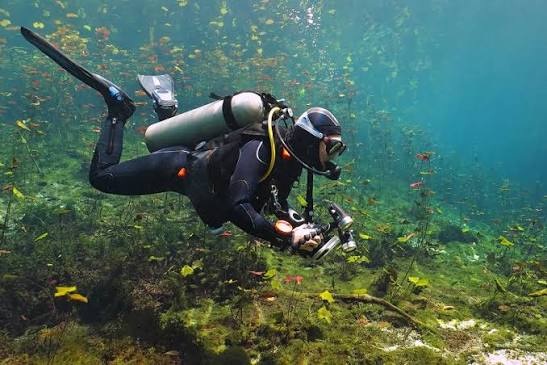
Scuba diving is one of the most thrilling adventures for nature lovers and travel enthusiasts. It offers a unique opportunity to explore vibrant coral reefs, encounter fascinating marine life, and experience the peaceful beauty of the underwater world. Whether you’re swimming alongside colorful tropical fish or discovering historic shipwrecks, scuba diving transforms the ocean into an unforgettable playground of exploration.
If you’ve ever dreamed of breathing underwater and witnessing marine ecosystems up close, this beginner’s guide will help you understand what scuba diving is all about and how to get started safely.
What Is Scuba Diving?
Scuba diving is an underwater activity that allows divers to breathe using a self-contained underwater breathing apparatus (SCUBA). Unlike snorkeling, where you stay near the water’s surface, scuba diving lets you descend to greater depths and spend more time exploring underwater landscapes.
With proper training and equipment, divers can safely experience coral reefs, underwater caves, marine parks, and a wide variety of aquatic life.
Why Scuba Diving Is So Popular
Scuba diving combines adventure, relaxation, and discovery in a way that few activities can. Every dive offers something different, from spotting sea turtles and rays to swimming through colorful coral gardens.
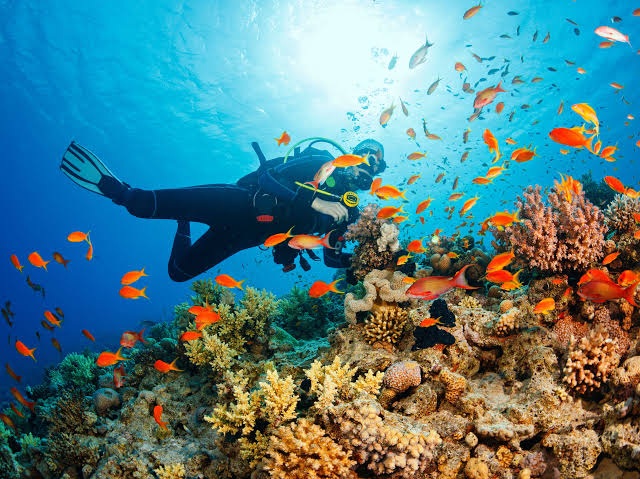
Some of the biggest reasons people love scuba diving include:
- Exploring breathtaking underwater scenery
- Observing marine life in its natural habitat
- Experiencing weightlessness underwater
- Reducing stress through peaceful ocean surroundings
- Building confidence by learning new skills
- Visiting dive sites around the world
For many divers, every dive is an opportunity to experience nature from an entirely new perspective.
Essential Scuba Diving Equipment
Having the right equipment is crucial for both safety and comfort.
Basic scuba diving gear includes:
- Diving mask
- Snorkel
- Fins
- Wetsuit or dry suit
- Buoyancy Control Device (BCD)
- Scuba tank
- Regulator
- Pressure gauge
- Dive computer
- Weight system
Many dive centers provide rental equipment for beginners, making it easy to experience scuba diving before investing in your own gear.
Learn from Certified Instructors
Scuba diving requires proper training and should never be attempted without certification.
Beginner courses teach essential skills such as:
- Breathing techniques
- Equipment setup
- Underwater communication
- Buoyancy control
- Emergency procedures
- Safe ascent and descent
Completing a certified diving course builds confidence and prepares you for enjoyable, safe diving experiences around the world.
Safety Comes First
Safety is the foundation of every successful dive.
Before entering the water:
- Check all your equipment carefully.
- Listen to the dive briefing.
- Never dive alone.
- Stay within your certification limits.
- Monitor your air supply regularly.
- Ascend slowly to avoid pressure-related injuries.
- Follow your instructor or dive guide at all times.
Good preparation and responsible diving habits help ensure every dive remains both safe and enjoyable.
Respect Marine Life
The ocean is home to delicate ecosystems that deserve protection.
Responsible divers should:
- Avoid touching coral reefs.
- Never chase or disturb marine animals.
- Maintain proper buoyancy to prevent accidental damage.
- Take only photographs and leave everything else untouched.
- Avoid collecting shells or marine life.
Protecting underwater environments helps preserve them for future generations of divers and ocean lovers.
Best Places to Go Scuba Diving
Some destinations are famous for their crystal-clear waters and rich marine biodiversity.
Popular scuba diving locations include:
- The Great Barrier Reef, Australia
- The Maldives
- Bali, Indonesia
- Red Sea, Egypt
- Belize Barrier Reef
- Hawaii, USA
- Phuket, Thailand
- Andaman Islands, India
Each destination offers unique underwater landscapes, making every diving trip a different adventure.
Tips for First-Time Divers
If you’re planning your first scuba diving experience, keep these tips in mind:
- Choose a reputable dive center.
- Stay relaxed and breathe slowly.
- Equalize ear pressure frequently during descent.
- Drink plenty of water before and after diving.
- Avoid flying immediately after deep dives.
- Listen carefully to your instructor.
The calmer you remain underwater, the more enjoyable your experience will be.
Final Thoughts
Scuba diving is more than just an adventure sport—it’s an opportunity to discover an entirely different world beneath the ocean’s surface. From colorful coral reefs and fascinating marine creatures to the peaceful silence of the underwater environment, every dive offers unforgettable memories and a deeper appreciation for nature.
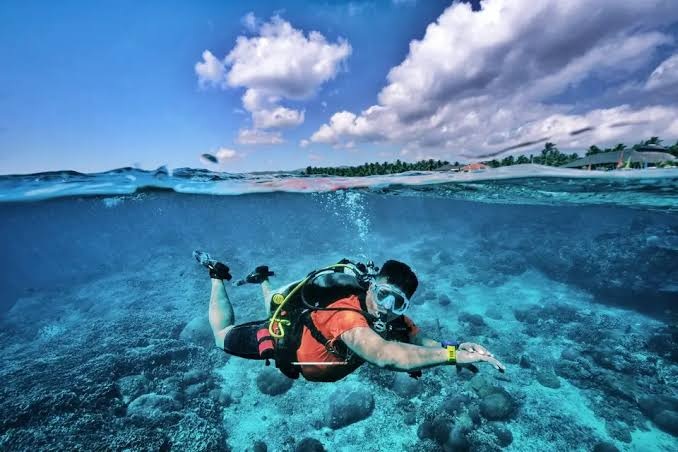
Whether you’re planning your first dive on a tropical vacation or considering scuba certification as a long-term hobby, proper training, quality equipment, and respect for the marine environment are the keys to a safe and rewarding experience. Take the plunge, explore responsibly, and let the ocean reveal its incredible wonders one dive at a time.