


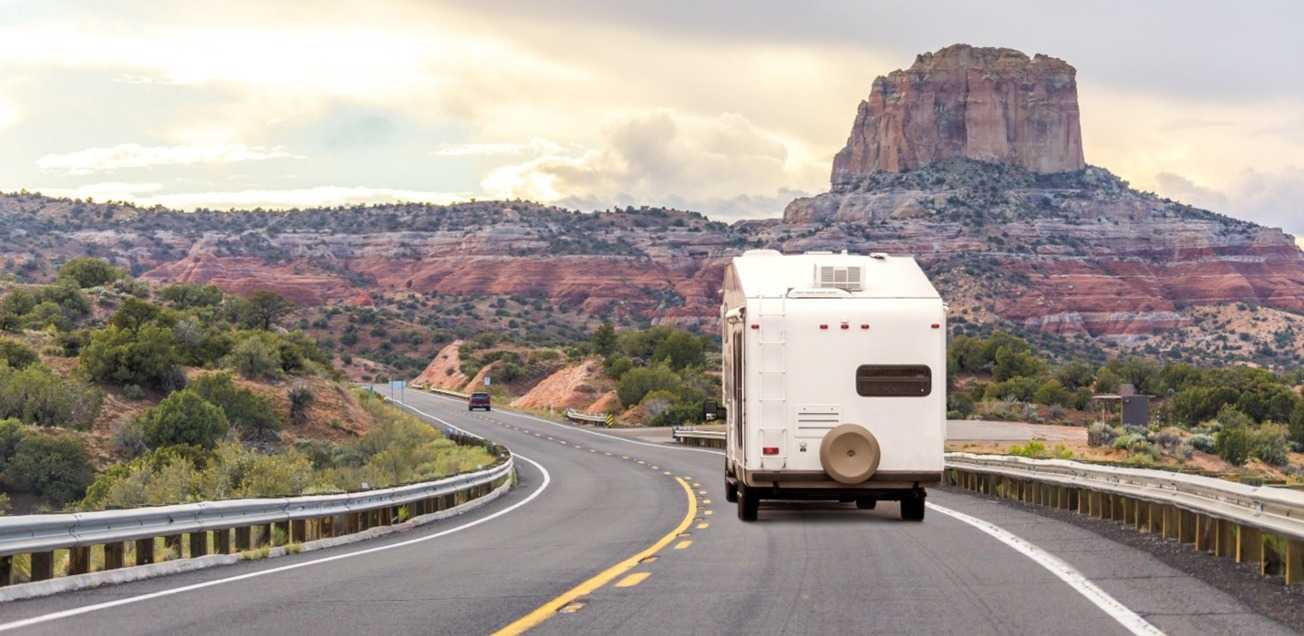
A road trip is one of the most exciting ways to explore new destinations. Whether you are driving along scenic coastlines, discovering charming small towns, or travelling through breathtaking mountain landscapes, the journey can be just as memorable as the destination. Unlike other forms of travel, road trips give you the freedom to choose your route, make spontaneous stops, and explore places at your own pace.

However, a successful road trip requires thoughtful planning. From selecting the right route to finding comfortable accommodation, a little preparation can make your adventure smoother and more enjoyable. Here is a practical guide to planning your next road trip.
1. Choose Your Destination and Plan Your Route
Start by deciding where you want to go and how much time you have available. Consider your interests, travel budget, driving experience, and the kind of scenery you would like to explore.
Once you have selected your destination, research different routes. Navigation apps can help you compare travel times, road conditions, tolls, and alternative routes. However, avoid planning an overly ambitious itinerary that involves too many hours of driving each day.
If possible, choose a route that includes scenic highways, interesting towns, and popular attractions. Having a flexible itinerary also allows you to explore unexpected places along the way.
2. Plan Interesting Stops Along the Way
One of the best parts of a road trip is discovering attractions beyond your final destination. Instead of driving continuously, plan regular stops to rest, eat, take photographs, and explore.
Look for interesting places along your route, such as:
- Natural attractions: National parks, lakes, waterfalls, beaches, and viewpoints.
- Local landmarks: Historic buildings, museums, monuments, and cultural sites.
- Small towns: Explore local markets, cafés, and neighbourhoods.
- Food destinations: Try regional dishes and visit popular roadside restaurants.
- Outdoor activities: Consider hiking, cycling, boating, or short nature walks.
Allow enough time at each stop so that your journey does not feel rushed. Remember that unexpected discoveries often become the most memorable parts of a road trip.
3. Find Comfortable Accommodation
Choosing suitable accommodation is essential, especially when your road trip involves multiple overnight stops. Depending on your budget and travel style, you can consider hotels, motels, guesthouses, resorts, or vacation rentals.
When comparing properties, consider their location, parking facilities, guest reviews, cleanliness, and available amenities. If you are driving long distances, accommodation with secure parking and convenient road access can make your stay more comfortable.
For popular destinations and busy travel seasons, booking in advance is generally a good idea. If your itinerary is flexible, you may prefer reserving accommodation for key overnight stops while keeping some room for spontaneous changes.
4. Prepare Your Vehicle Before Departure
Your vehicle is the most important part of your road trip, so make sure it is ready for the journey. Schedule a basic inspection before leaving, particularly if you are planning a long-distance drive.
Check the tyres, brakes, engine oil, coolant, lights, battery, and windshield wipers. Make sure your spare tyre and basic emergency tools are in good condition.

Keep important documents, including your driving licence, vehicle registration, insurance, and roadside assistance information, easily accessible. It is also useful to carry a first-aid kit, drinking water, snacks, a phone charger, and a power bank.
5. Create a Realistic Travel Budget
Road trips can offer flexibility, but expenses can add up quickly. Estimate your major costs before departure, including:
- Fuel and toll charges
- Accommodation
- Food and refreshments
- Parking fees
- Attraction tickets and activities
- Emergency expenses
Keep some extra money aside for unexpected situations. Tracking your spending during the journey can also help you stay within budget.
6. Prioritise Safety and Flexibility
Safety should always come first. Take regular breaks, avoid driving when tired, follow speed limits, and share your itinerary with someone you trust. Check weather forecasts and road conditions, particularly when travelling through mountains or remote areas.
Download offline maps before departure in case mobile connectivity becomes unreliable. Most importantly, avoid treating your itinerary as a strict schedule. Be prepared to adjust your plans if traffic, weather, or road conditions change.
Final Thoughts
A memorable road trip is all about balancing preparation with spontaneity. Planning your routes, choosing interesting stops, arranging comfortable accommodation, and preparing your vehicle can help you enjoy the journey with fewer surprises.
Whether you are planning a weekend escape or a longer cross-country adventure, take time to create an itinerary that suits your interests and budget. Pack your essentials, get behind the wheel, and enjoy the freedom of discovering something new along the way.