


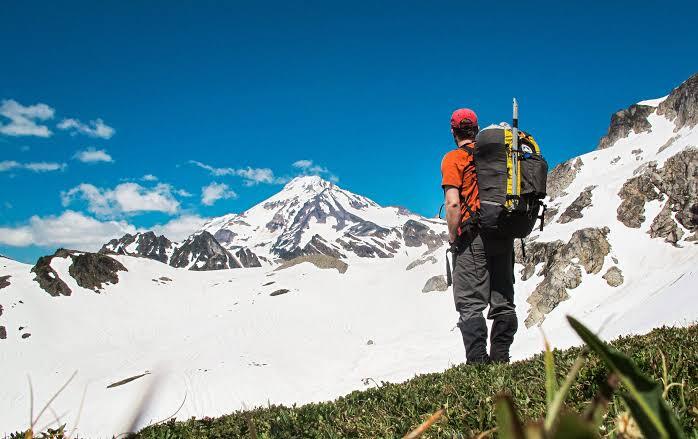
Mountaineering is more than just climbing mountains—it’s a journey of endurance, preparation, and a deep appreciation for nature. From snow-covered summits to rugged rocky trails, mountaineering offers adventure seekers the chance to challenge themselves physically and mentally while experiencing some of the world’s most breathtaking landscapes.
Whether you dream of climbing your first mountain or aspire to tackle higher peaks, understanding the basics of mountaineering is essential for a safe and rewarding experience.
What Is Mountaineering?
Mountaineering is the sport of climbing mountains. Unlike casual hiking, it often involves navigating steep terrain, rocky paths, glaciers, snowfields, and changing weather conditions. Depending on the route and altitude, climbers may need specialized equipment and technical skills such as rope handling, ice climbing, or glacier travel.
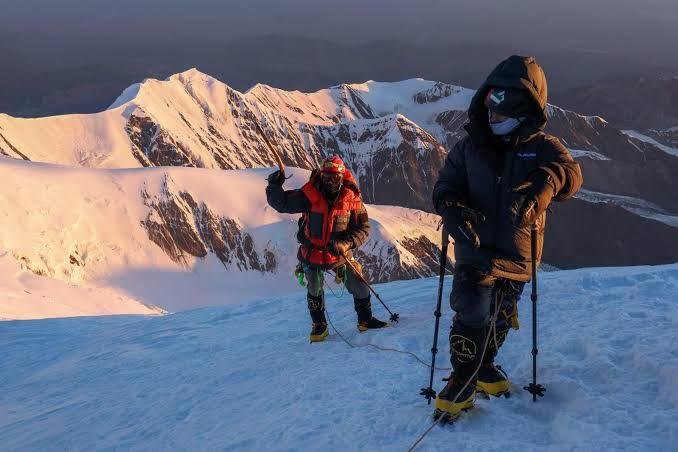
Mountaineering combines fitness, planning, navigation, and teamwork, making it one of the most exciting outdoor activities.
Why People Love Mountaineering
Every mountain offers a unique challenge and a sense of achievement that few other activities can match. Reaching the summit after hours—or even days—of climbing provides an incredible feeling of accomplishment.
Some of the biggest benefits of mountaineering include:
- Improved physical fitness and endurance
- Better mental resilience and confidence
- Stress relief through time spent in nature
- Opportunities to explore remote landscapes
- Stronger teamwork and communication skills
- A sense of adventure and personal growth
For many climbers, the journey is just as rewarding as reaching the summit.
Essential Gear for Mountaineering
The right equipment plays a vital role in both safety and comfort. Your gear should match the mountain, weather conditions, and level of difficulty.
Basic mountaineering essentials include:
- Sturdy mountaineering boots
- Weatherproof clothing and layered apparel
- Backpack with rain cover
- Climbing helmet
- Trekking poles
- Gloves and warm hat
- Sunglasses with UV protection
- Headlamp with spare batteries
- First aid kit
- Water bottles or hydration system
- Energy-rich snacks
- Navigation tools such as a map, compass, or GPS
For snow and ice climbs, additional equipment like crampons, an ice axe, climbing harness, ropes, and helmets may be required.
Preparing Before Your Climb
Successful mountaineering begins long before you reach the trailhead.
Prepare by:
- Researching the route and terrain.
- Checking weather forecasts.
- Understanding altitude conditions.
- Building cardiovascular fitness through running, cycling, or hiking.
- Practicing strength training for your legs and core.
- Learning basic navigation and emergency skills.
If you’re new to mountaineering, consider joining a guided expedition or taking an introductory mountaineering course.
Safety Should Always Come First
Mountain environments can change rapidly. Even experienced climbers encounter unpredictable weather, loose rocks, and altitude-related challenges.
To stay safe:
- Never climb alone if you’re inexperienced.
- Tell someone your planned route and expected return time.
- Carry emergency supplies.
- Stay hydrated and eat regularly.
- Turn back if weather conditions become dangerous.
- Watch for signs of altitude sickness, such as headaches, dizziness, nausea, or unusual fatigue.
Remember that reaching the summit is optional—returning safely is the true success.
Respect Nature
Mountaineering offers the privilege of exploring some of the world’s most pristine environments. Protecting these landscapes is every climber’s responsibility.
Follow Leave No Trace principles by:
- Carrying out all trash.
- Staying on designated trails whenever possible.
- Avoiding damage to plants and wildlife.
- Using reusable water bottles and containers.
- Respecting local communities and park regulations.
Responsible mountaineering helps preserve these incredible places for future generations.
Building Experience Gradually
Every successful mountaineer starts with smaller, easier peaks before attempting more challenging climbs.
Begin with:
- Day hikes on moderate trails.
- Multi-day trekking adventures.
- Guided mountain climbs.
- Basic rock climbing courses.
- Snow skills and glacier travel training.
As your confidence and technical abilities improve, you can gradually take on higher and more demanding mountains.
Final Thoughts
Mountaineering is one of the most rewarding outdoor adventures, offering breathtaking scenery, personal growth, and unforgettable experiences. While reaching a summit is an incredible achievement, the real reward lies in the preparation, perseverance, and respect for nature developed along the way.
With proper training, the right equipment, and a commitment to safety, anyone can begin their mountaineering journey. Start with manageable climbs, continue building your skills, and embrace every challenge as an opportunity to learn. Every mountain has a lesson to teach—and every summit reached becomes a story worth remembering.