


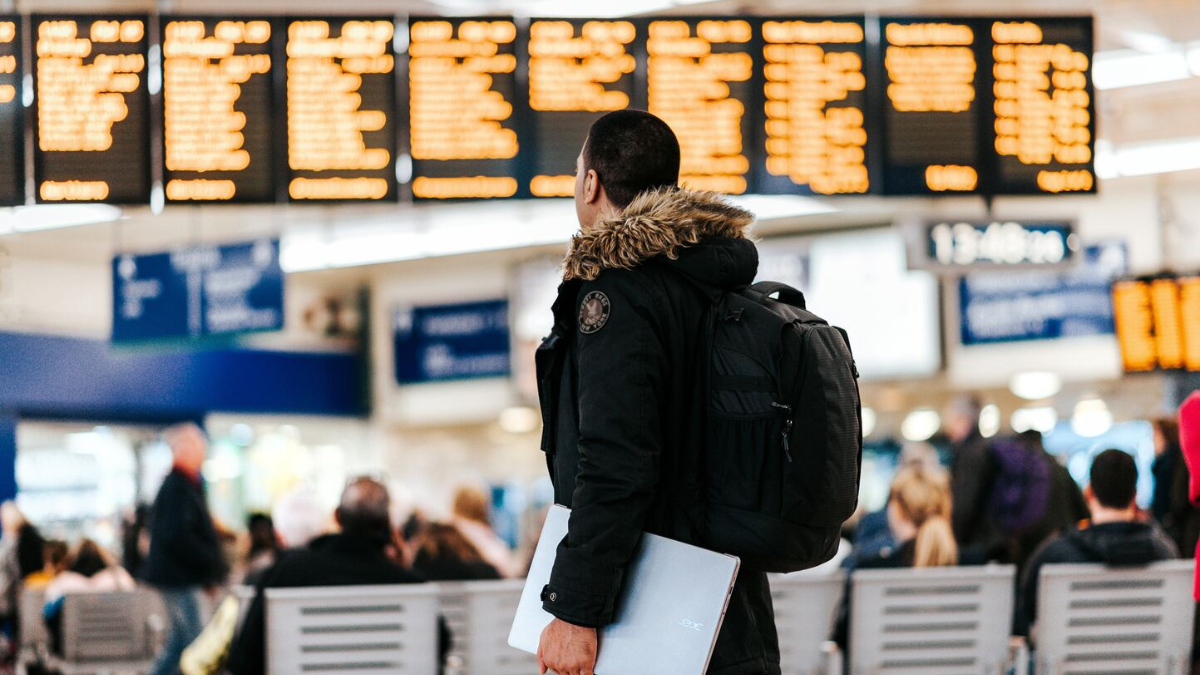
Traveling can be both exhilarating and enriching, but prioritizing safety is crucial for a worry-free journey. Whether you’re embarking on a solo adventure or exploring with loved ones, adhering to practical safety tips can help ensure your security as you discover new destinations.
By prioritizing safety, you can enrich your travel experience and explore with confidence. Being prepared and vigilant doesn’t mean you can’t have fun and enjoy new adventures; it simply means you’re taking responsible steps to ensure a safe and memorable journey.
Check out this list of some of the tips that you should keep in mind while you travel around the world.
1. Research Your Destination

Before you go, familiarize yourself with your destination’s local customs, laws, and potential risks. Understanding the political climate, weather conditions, and any health concerns can help you make informed decisions throughout your trip.
2. Secure Important Documents

Keep copies of your passport, ID, travel insurance, and other essential documents in a safe place. Consider storing electronic copies in a secure cloud storage or email them to yourself. Also, consider carrying a photocopy of your passport and leave the original one in a hotel safe.
3. Stay Connected

Stay in regular touch with trusted friends or family. Provide them with your itinerary and accommodation details, and establish check-in points during your trip. This ensures that someone is informed of your location in case of an emergency.
4. Use Reputable Accommodations

Reserve accommodations through reputable platforms or established hotel chains. Review guest feedback and look for any safety issues reported by previous visitors. Upon arrival, make sure to familiarize yourself with the escape routes and emergency exits in your accommodation.
5. Stay Aware of Your Surroundings
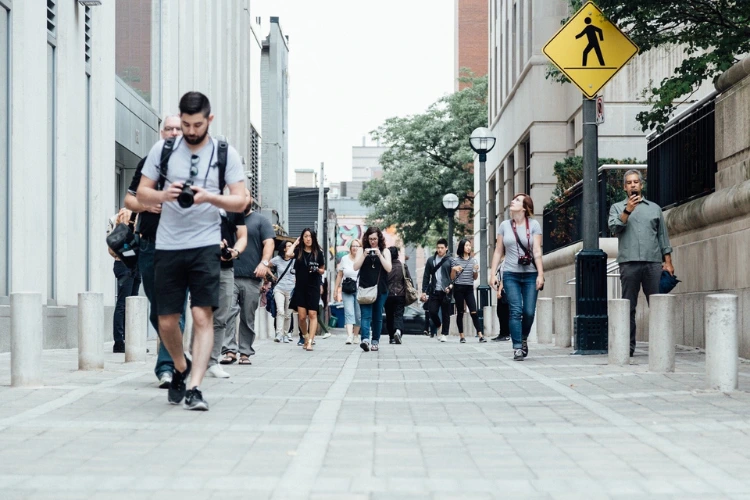
Stay in consistent contact with trusted friends or family. Provide them with your itinerary and accommodation details, and schedule check-in points throughout your trip. This way, someone will be aware of your location in case of an emergency.
6. Avoid Risky Areas

Research and steer clear of neighborhoods that are known for high crime rates or political instability. While spontaneity can be part of the adventure, it’s important to prioritize your safety over exploration in potentially unsafe areas.
7. Use Reliable Transportation

Opt for reputable transportation options, especially in regions where safety standards may vary. Make use of licensed taxis, ride-sharing services, or trusted public transportation systems, and avoid unmarked or unofficial vehicles.
8. Protect Your Belongings
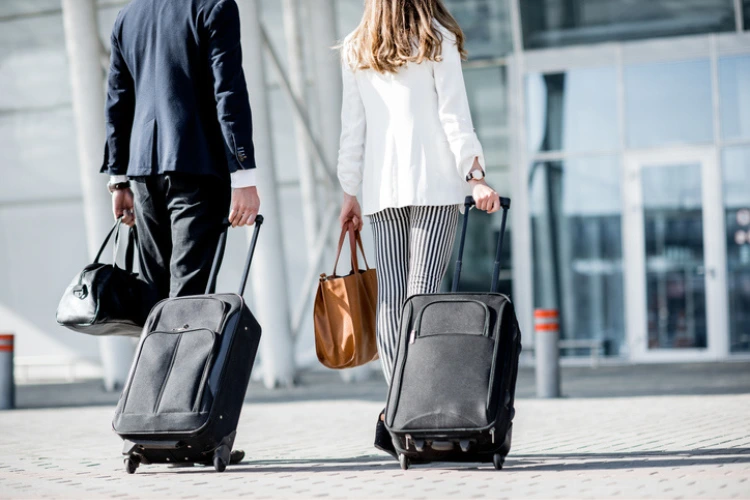
Keep your valuables, such as passports, money, and electronics, safe. Use anti-theft bags or money belts to protect against pickpockets. Stay vigilant in crowded areas and avoid showing expensive items in public.
9. Be Cautious with Strangers

While meeting new people can be a wonderful part of traveling, be careful when interacting with strangers. Avoid sharing personal information or disclosing detailed travel plans to people you’ve just met.
10. Learn Basic Phrases
Learn a few key phrases in the local language. This can be extremely useful in emergencies or when asking for directions. Locals will appreciate your effort, and it can lead to more positive and respectful interactions.