


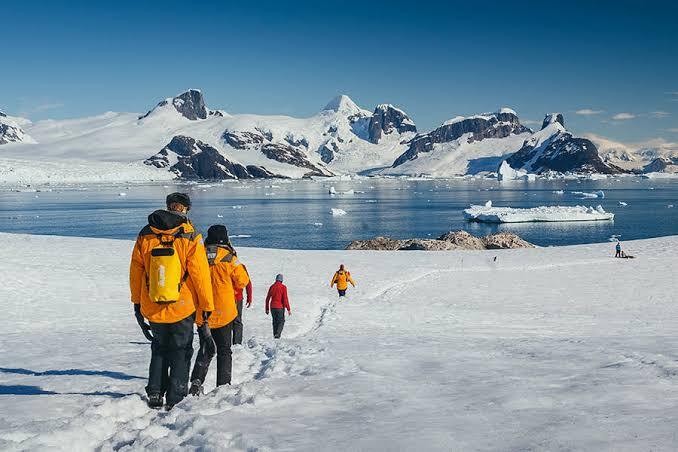
Antarctica may seem like a destination that belongs to explorers, scientists, and extreme adventurers. Covered in vast sheets of ice and surrounded by some of the coldest waters on Earth, the White Continent feels wonderfully distant from ordinary travel.
Yet Antarctica has become an increasingly fascinating destination for adventurous travelers. Visiting this remote part of the world isn’t simply about seeing icebergs. It’s about encountering extraordinary wildlife, dramatic landscapes, endless horizons, and a sense of isolation that is difficult to find anywhere else.
If Antarctica is on your travel list, here’s what makes the journey so special.
A Landscape Unlike Anywhere Else
The first thing you’ll notice about Antarctica is its scale.
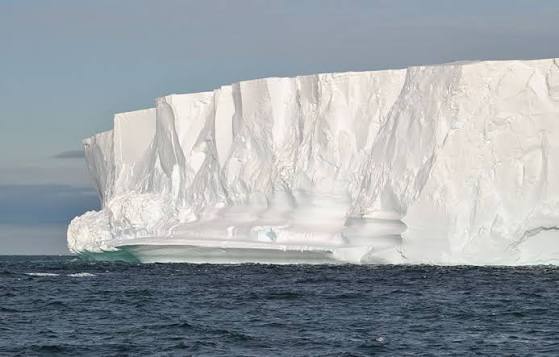
Massive glaciers stretch toward the horizon, towering icebergs float in deep blue water, and snow-covered mountains rise dramatically from the landscape. The scenery can change constantly as light, weather, and sea conditions transform the appearance of the ice.
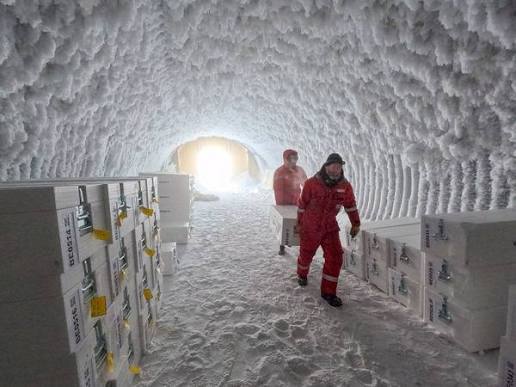
One moment, the landscape may look completely white and silent. Minutes later, sunlight can turn the snow and ice into shades of blue, silver, and gold.
For photographers and nature lovers, Antarctica offers an almost endless collection of extraordinary views.
Wildlife Is the Real Highlight
Despite its harsh environment, Antarctica supports an incredible variety of wildlife.
Penguins are among the most iconic animals visitors hope to see. Depending on the itinerary and season, travelers may encounter species such as gentoo, chinstrap, and Adélie penguins.
Seals can often be spotted resting on ice or swimming near shore, while whales may appear in the surrounding waters.
One of the most memorable experiences can be watching wildlife behaving naturally in its environment. A colony of penguins moving across the snow or a whale surfacing beside a vessel can feel far more impressive than anything you could see in a conventional tourist attraction.
The Journey Is Part of the Adventure
Reaching Antarctica is not as simple as booking a short flight and checking into a hotel.
Many expedition journeys begin in Ushuaia, Argentina, before traveling across the Drake Passage toward the Antarctic Peninsula. The crossing itself can take around two days each way, depending on conditions.
For travelers who prefer to avoid long sea crossings, some itineraries use flights to reach the Antarctic Peninsula before continuing by expedition vessel.
Whichever option you choose, getting there is part of what makes Antarctica feel so remote.
What Can You Do in Antarctica?
Antarctica isn’t a destination where you’ll find traditional sightseeing tours, shopping districts, or amusement parks. The activities are centered around nature and exploration.
Depending on the expedition, travelers may have opportunities to take Zodiac boat excursions, go ashore at designated locations, kayak among ice, photograph wildlife, or participate in guided walks.
Some expeditions also offer activities such as camping on the Antarctic continent, allowing travelers to experience the environment in an even more immersive way.
Availability depends on the operator, weather, environmental regulations, and local conditions.
Prepare for the Weather
Antarctica demands thoughtful packing.
Warm, waterproof layers are essential, along with gloves, hats, waterproof footwear, and clothing that can handle changing conditions. Expedition operators often provide specific packing lists and may supply equipment such as waterproof outer layers or specialized boots.
The weather can change quickly, so being prepared is more important than trying to pack for a particular photograph or activity.
Comfort matters too. You’ll likely spend time outdoors in cold conditions, sometimes on boats or exposed shorelines.
Choose Responsible Travel
Traveling to Antarctica comes with an important responsibility: protecting an environment that is both fragile and extraordinary.
Choose an expedition operator that follows recognized environmental standards and respects Antarctic tourism regulations. Visitors are expected to maintain appropriate distances from wildlife, avoid disturbing animals, and follow strict guidelines about where and how they can move ashore.
Responsible tourism helps ensure that future travelers can experience the continent without causing unnecessary harm.
The Best Time to Visit
Antarctica’s tourism season generally runs during the Southern Hemisphere’s summer, roughly from November to March.
Each part of the season offers something different. Early-season journeys can feature extensive sea ice, while later months may provide longer daylight and increased opportunities for wildlife activity.
The best time depends on what you hope to experience, whether that’s dramatic ice, penguin colonies, whale sightings, or longer days for exploration.
Is Antarctica Worth the Journey?
Antarctica isn’t an easy or inexpensive destination to reach, and it requires more planning than a conventional vacation. But that’s also part of its appeal.
There are few places where you can experience such vast landscapes, observe wildlife in such remote surroundings, and spend days surrounded by nothing but ocean, mountains, snow, and ice.
The experience can also change your perspective on travel. Antarctica isn’t about collecting attractions. It’s about being present in an environment that feels almost untouched.
Final Thoughts
Antarctica is much more than a continent covered in ice. It is a place of dramatic landscapes, extraordinary wildlife, unforgettable journeys, and profound silence.
For travelers willing to venture far beyond the familiar, it offers an experience unlike almost any other destination.
You may arrive expecting to remember the icebergs and penguins. But you might leave remembering something much simpler—the feeling of standing at the edge of the world, surrounded by an immense landscape that makes you realize just how big the planet really is.