


For many people, food is about nourishment and enjoyment. But for others, it’s also a symbol of luxury, rarity, and craftsmanship. Around the world, certain ingredients and dishes command astonishing prices due to their scarcity, labor-intensive production, exceptional quality, or unique flavor profiles. While most of us may never splurge on these culinary treasures, they offer a fascinating glimpse into the world of fine dining.
Here are some of the world’s most expensive foods and what makes them so extraordinary.
White Truffles
Often referred to as the “diamonds of the kitchen,” white truffles are among the rarest and most valuable ingredients in the world. Found primarily in the forests of northern Italy, they grow underground and are located with the help of specially trained dogs.
Their rich, earthy aroma and limited availability make them highly sought after by top chefs. Since they cannot be commercially cultivated, their price can soar during poor harvest seasons, making them a prized addition to gourmet dishes.
Saffron
Known as the world’s most expensive spice, saffron is harvested from the delicate stigmas of the crocus flower. Each flower produces only three tiny threads, all of which must be picked by hand.
It takes thousands of flowers to produce just a small amount of saffron, explaining its premium price. Its unique floral flavor and vibrant golden color are used in dishes such as paella, risotto, and traditional desserts.
Beluga Caviar
Beluga caviar is considered one of the finest delicacies in the culinary world. Harvested from the Beluga sturgeon, its large, delicate pearls have a smooth, buttery texture and a rich flavor.
Because Beluga sturgeon take many years to mature and conservation efforts limit production, authentic Beluga caviar remains exceptionally rare and expensive. It is often served on its own to fully appreciate its taste.
Wagyu Beef
Japanese Wagyu beef is famous for its extraordinary marbling, tenderness, and rich flavor. The fine streaks of fat melt during cooking, creating an exceptionally juicy and buttery dining experience.
Strict breeding standards, careful feeding practices, and limited production contribute to Wagyu’s high price. Premium varieties, such as Kobe beef, are among the most prestigious meats available.
Edible Gold
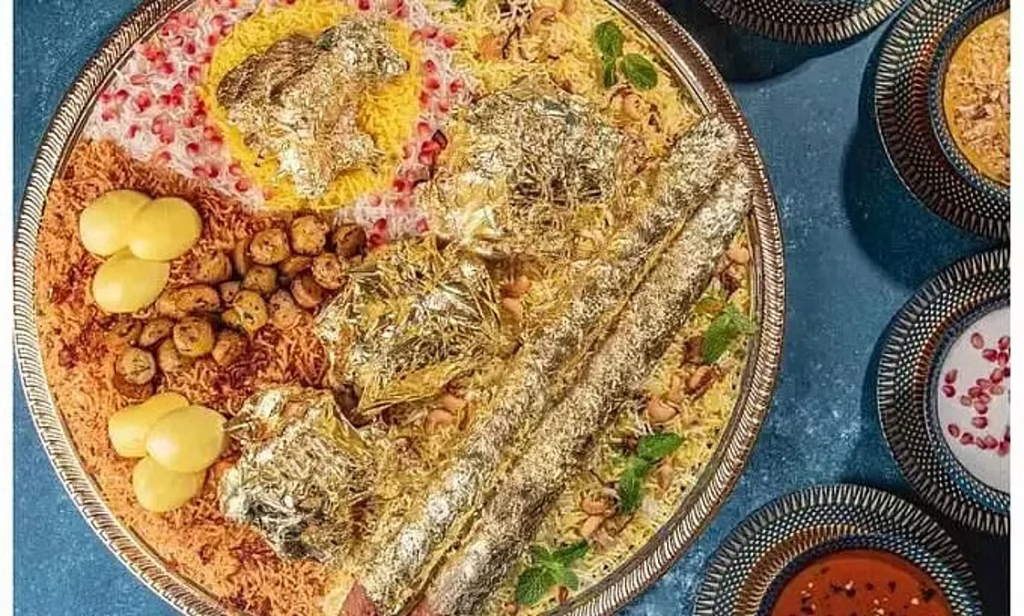
While gold has no distinctive flavor, edible gold leaf is widely used to decorate luxury desserts, chocolates, pastries, and beverages. Made from extremely pure gold, these delicate sheets add elegance and exclusivity to fine dining creations.
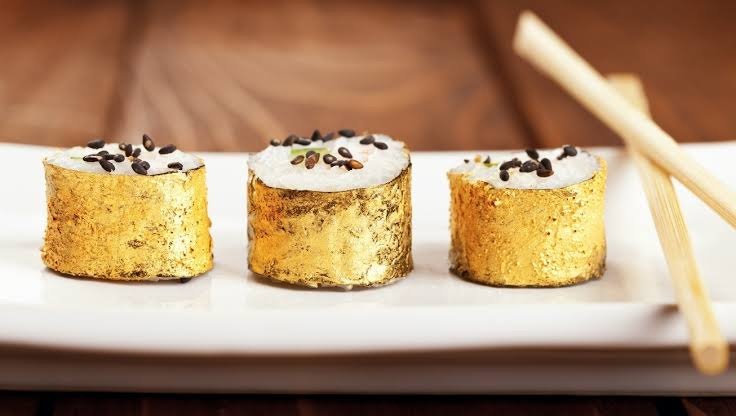
From gold-covered cakes to extravagant burgers, edible gold has become a symbol of culinary luxury.
Matsutake Mushrooms
Matsutake mushrooms are highly prized in Japan for their distinctive spicy aroma and earthy flavor. These rare mushrooms grow naturally under specific forest conditions and are notoriously difficult to cultivate.
Environmental changes have significantly reduced their availability, making them one of the most expensive mushrooms in the world.
Bluefin Tuna
Bluefin tuna is a prized ingredient in high-end sushi restaurants, particularly in Japan. Its rich, fatty texture makes it highly desirable for premium sushi and sashimi.
Exceptional specimens sold at auction have fetched astonishing prices, highlighting the demand for this celebrated seafood delicacy. Sustainable sourcing has also become an important focus within the industry.
Why Are These Foods So Expensive?
Several factors contribute to the high cost of luxury foods:
- Limited availability and rarity.
- Labor-intensive harvesting or production.
- Exceptional quality and flavor.
- Long cultivation or aging processes.
- Strong demand from fine-dining restaurants and collectors.
- Cultural significance and culinary prestige.
In many cases, the value lies not only in the taste but also in the craftsmanship and tradition behind each ingredient.
Luxury Dining: More Than Just the Price
For gourmet enthusiasts, tasting these rare foods is about experiencing exceptional quality, unique flavors, and culinary artistry. Many luxury ingredients are carefully prepared by skilled chefs who understand how to highlight their natural characteristics.
Even if these delicacies are beyond most budgets, they continue to inspire innovation and appreciation within the global culinary world.
Final Thoughts
From the fragrant white truffles of Italy and hand-harvested saffron to buttery Wagyu beef and luxurious Beluga caviar, the world’s most expensive foods represent the pinnacle of gastronomy. Their rarity, craftsmanship, and extraordinary flavors make them coveted by chefs and food lovers alike.
While you don’t need to spend a fortune to enjoy great food, learning about these remarkable delicacies offers a fascinating insight into the traditions, techniques, and passion that define fine dining. Whether you’re a curious traveler or a dedicated foodie, these luxurious ingredients remind us that food can be both an everyday necessity and an extraordinary experience.