

I almost didn’t go.
The original plan was Lisbon — five days, a list of rooftop bars, maybe a day trip to Sintra if I felt adventurous. Neat, manageable, Instagrammable. The kind of trip you plan in two hours and forget in two months. But a missed turn off the N18, a dead phone battery, and a stubborn refusal to ask for directions led me somewhere I hadn’t booked, hadn’t researched, and honestly hadn’t earned.
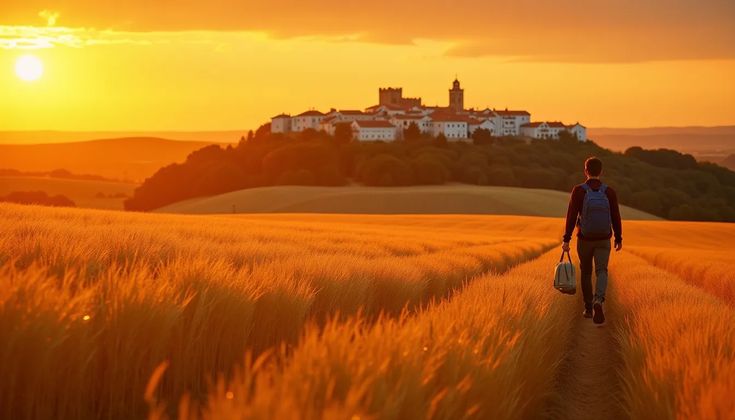
It was a village in the Alentejo region. I still don’t know its exact name — my notes say something that looks like “Aldeia perto do nada,” which a Portuguese friend later told me roughly translates to “village near nothing.” Fitting.
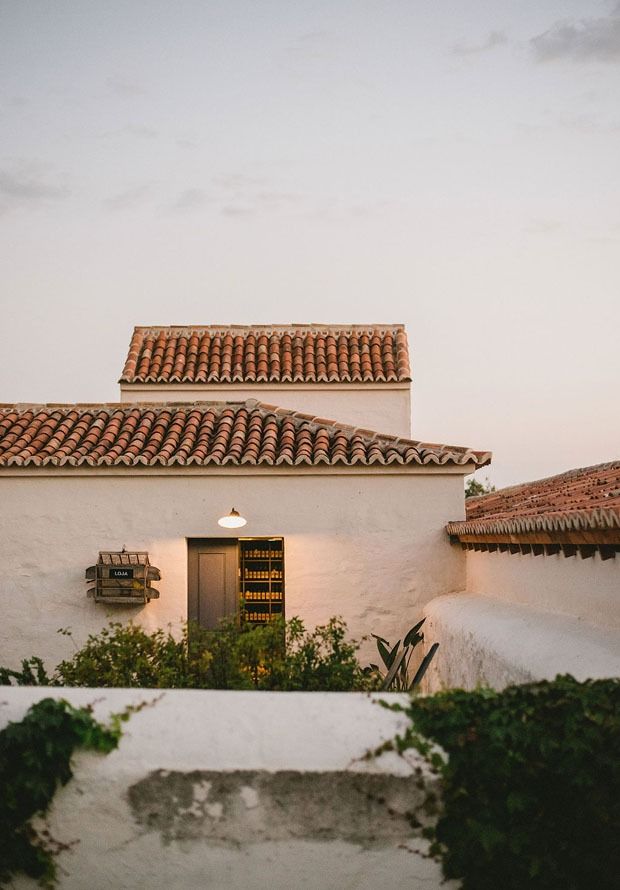
There was no Wi-Fi. There was barely a signal.
I know how that sounds in 2024. Dramatic. Like something you’d put in a caption with a sunrise photo. But I mean it practically — I couldn’t load a map, couldn’t check reviews, couldn’t find out if the one small café near the square was open or just looked open. I had to walk in and find out.
It was open. The woman behind the counter handed me coffee without asking what I wanted, which felt like either a cultural thing or a personal judgment. Either way, it was the best coffee I’d had in weeks — thick, bitter, served in a ceramic cup the size of a shot glass, with a small square of something sweet on the side that I later learned was a queijada, a little cheese pastry that had no business tasting that good.
I sat outside for two hours. Not because I was waiting for anything. Just because there was nothing pulling me away.
That’s the thing nobody tells you about travelling without a phone.
You stop performing it. There’s no checking in, no angle-hunting, no half-presence where one eye is always scouting the next shareable moment. You just sit in a square that smells like warm stone and olive trees, watching an old man argue cheerfully with a cat, and you think — this is actually what I came here for. Not Lisbon. Not the rooftops. This.
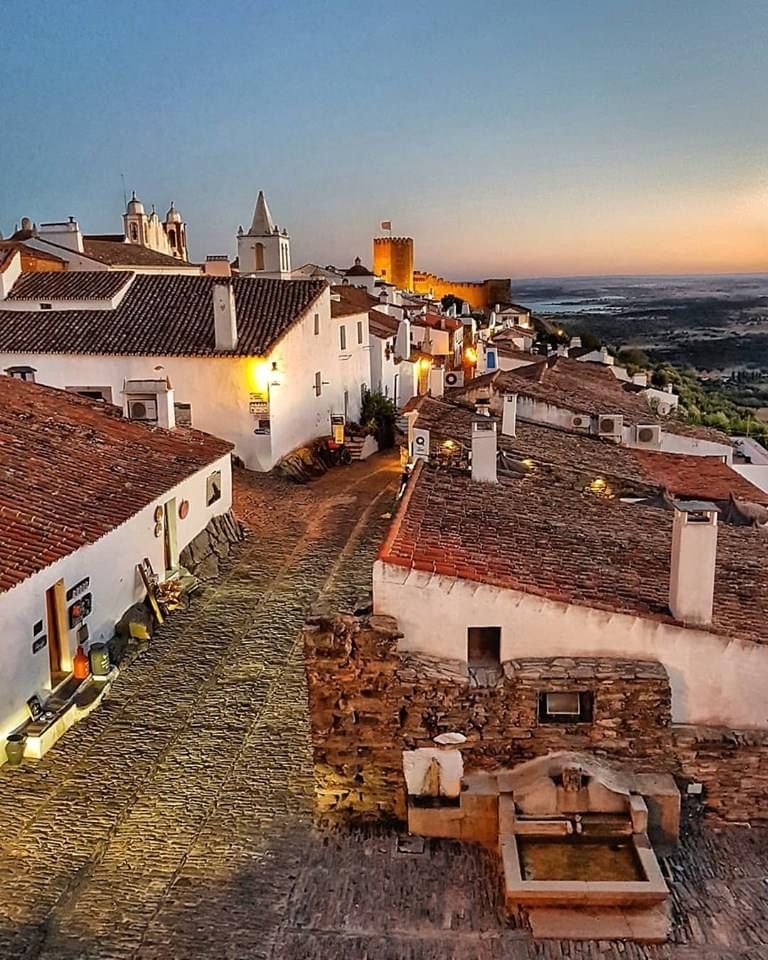
The village had maybe forty houses, a church that looked older than most countries I’d visited, and a rhythm that felt completely indifferent to the outside world. Sheep moved through the narrow lane in the morning with the kind of confidence that suggested they had right of way, legally and philosophically. Women hung laundry across windows framed in rust-coloured wood. A teenager rode a bicycle with no hands past a Roman-era wall and neither of them seemed to find that remarkable.
I ended up staying two nights.
I found a room through a handwritten sign, paid in cash, and slept better than I had in months. My host, a wiry man named António who communicated primarily through gestures and a very expressive eyebrow, left fresh bread outside my door in the morning. I don’t know why that detail has stuck with me harder than anything I saw in Lisbon the next day. But it has.
Rural Portugal does something quiet and important to you, if you let it. These villages — and there are hundreds of them, tucked into the hills of Alentejo, folded into the Serra da Lousã, scattered along the Douro — were built for living, not visiting. They weren’t designed to be consumed. And maybe that’s exactly why spending time in one feels so strangely nourishing.
Here’s what actually changed for me.
I used to travel to collect. Experiences, photos, stories I could tell at dinner parties. There’s nothing wrong with that — I still do it. But I think I’d confused movement with presence for a long time. Rural Portugal, by force of no signal and no itinerary, made me stop moving and actually arrive somewhere.
The best trips I’ve taken since have all had one thing in common: at least one day with no plan, no agenda, and a willingness to end up somewhere I can’t immediately identify on a map.
It turns out getting lost is a skill. And like most skills, you only get good at it by doing it badly first.