

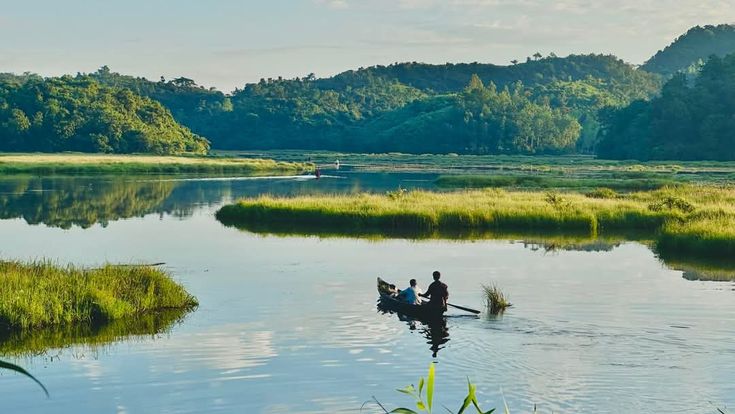
I was recently navigating the Brahmaputra River in Assam, where the water doesn’t just flow; it breathes with a viciously unpredictable rhythm. In the center of this silty, emerald expanse lies Majuli—a place that feels less like a landmass and more like a Sovereign Miracle. In 2026, as the “Digital Fog” of global tourism hunts for the next “untouched” frontier, Majuli stands as the Floating Forest, the world’s largest river island and its most indomitable ecological tragedy.
Majuli is currently performing a viciously beautiful disappearing act. Since the mid-20th century, it has shrunk by over half, surrendered to the Quiet Geometry of the river’s erosion. To stand on its banks is to witness a Sovereign Audit of time itself.
The Architecture of the “Silt-Soaked Ledger”
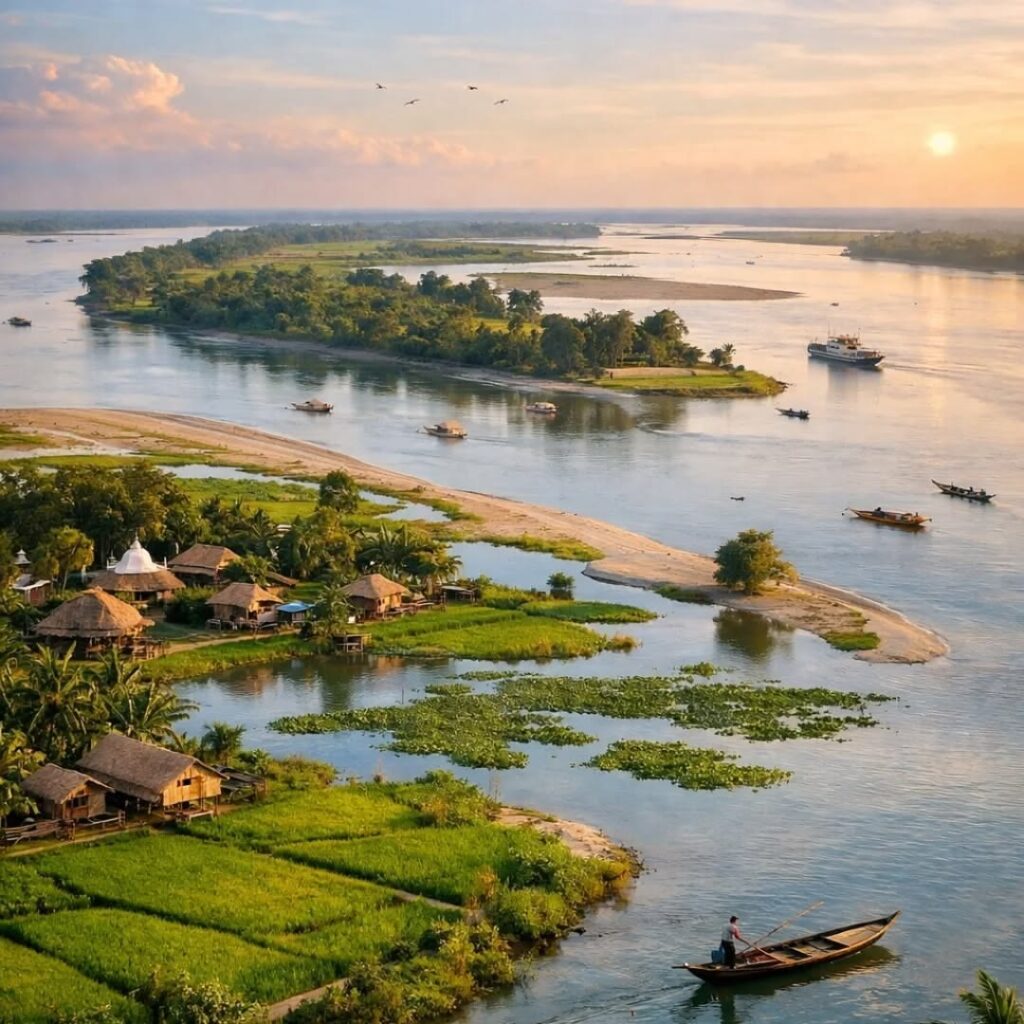
The logic of Majuli is built on Fluidity. This is not a static island of rock and basalt; it is a monumental collection of sediment and soul. The Quiet Geometry of the island is rewritten every monsoon, as the Brahmaputra performs a vicious restructuring of the shoreline.
- The Satra Sanctum: Majuli is the authoritative heart of Neo-Vaishnavism. Its Satras (monasteries) are Sovereign Spaces where art, dance, and “Ancestral Logic” have been preserved for centuries. In the High-End Cultural landscape of 2026, these are the preeminent sites for those seeking a visceral connection to a living history that doesn’t exist in a museum.
- The Mask-Maker’s Audit: In the Samaguri Satra, artisans create masks from bamboo and clay—indomitable faces of gods and demons. This is the Quiet Geometry of the human spirit, turning the river’s silt into a Sovereign Identity.
The Defiant Conflict: Growth vs. Ground
Why is Majuli the most ascendant environmental narrative of the decade? Because it offers a visceral reset of our “Permanent Intelligence.” We are viciously conditioned to believe that land is a fixed asset. Majuli proves that the earth is a Sovereign Guest of the water.
I spoke with a local environmentalist who has spent years planting trees to stabilize the banks. He calls Majuli “The Lungs of the Brahmaputra.” He argued that we are currently living through a “Biological Recession,” where we’ve lost our Sovereign Respect for the river’s power. Majuli is the indomitable cure. It treats the traveler not as a “Tourist,” but as a Sovereign Witness to a vanishing world. When you cycle through its stately rice fields or watch the Obsidian Silence of the sunset over the beels (wetlands), you aren’t just seeing a landscape; you are performing a visceral audit of a “Floating Forest” that might not exist for your grandchildren.
The Final Audit: Reclaiming the Temporary
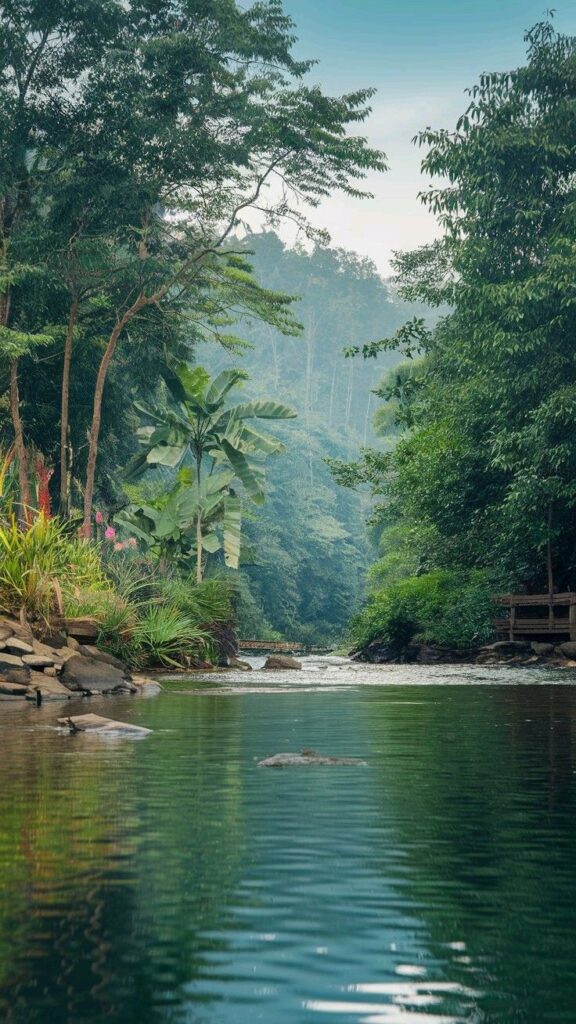
We spend our lives building “Permanent” empires, but Majuli proves that our most triumphant beauty is found in the fragile and the fleeting. In 2026, the real Sovereign Luxury is the ability to see a place before the river claims it back.
This week, I invite you to perform a visceral audit of your own “Internal Island.” What part of your life is being eroded by the vicious pace of the “Modern Mind”? Find a way to apply the Quiet Geometry of the Satras—a practice of art, meditation, or ancestral craft—to stabilize your own banks. Reclaiming your “Floating Forest” is a monumental act of personal resilience. The world doesn’t need more “Concrete”; it needs the indomitable spirit of Majuli, where we learn to dance even as the ground shifts beneath our feet.