


I remember the exact moment my “Digital Ego” died. It was Tuesday, about 4,000 feet above sea level in the Ourika Valley, and I was watching a mountain goat navigate a ledge so narrow it defied the laws of physics. I instinctively reached for my pocket to film it, to “content-ify” the moment—and realized my phone was a dead slab of glass and lithium at the bottom of my pack.
For the first time in a decade, I wasn’t “connected.” I was just there. And it was viciously beautiful.
In 2026, we talk about “Digital Detox” as if it’s a spa treatment. But a week in a remote Berber village isn’t a retreat; it’s a triumphant confrontation with reality. It is a sovereign reclamation of the human attention span in a world that is trying to auction it off to the highest bidder.
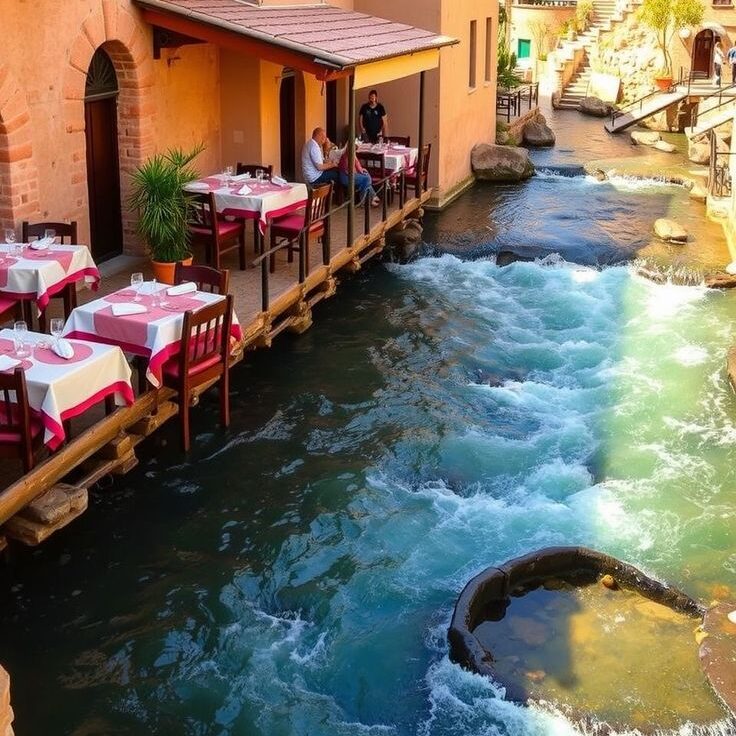
The Architecture of Ancient Silence
Life in the High Atlas doesn’t follow an algorithm; it follows the “Quiet Geometry” of the sun and the seasons. The houses are built of the same red earth they sit upon, making the village look less like a settlement and more like a natural outcropping of the mountain itself.
- The Vertical Rhythm: Without the “Digital Fog” of notifications, your internal clock resets. You wake when the first amber light hits the peaks, and you sleep when the forbidden density of the stars becomes too heavy to watch.
- The Sensory Overload: When you kill the screen, your other senses undergo a visceral awakening. The smell of burning juniper wood, the uncommon sharpness of mint tea, and the rhythmic thud-thud of grain being ground by hand. These aren’t just sounds; they are the sovereign heartbeats of a culture that refuses to be rushed.
The Forbidden Luxury of Being Untracked
We are the first generation in history to be “tracked” 24/7. In the village of Imlil, that surveillance evaporates. There is an empowering anonymity in sitting on a woven rug, sharing a communal tagine with people who don’t know your LinkedIn title and couldn’t care less about your “reach.”
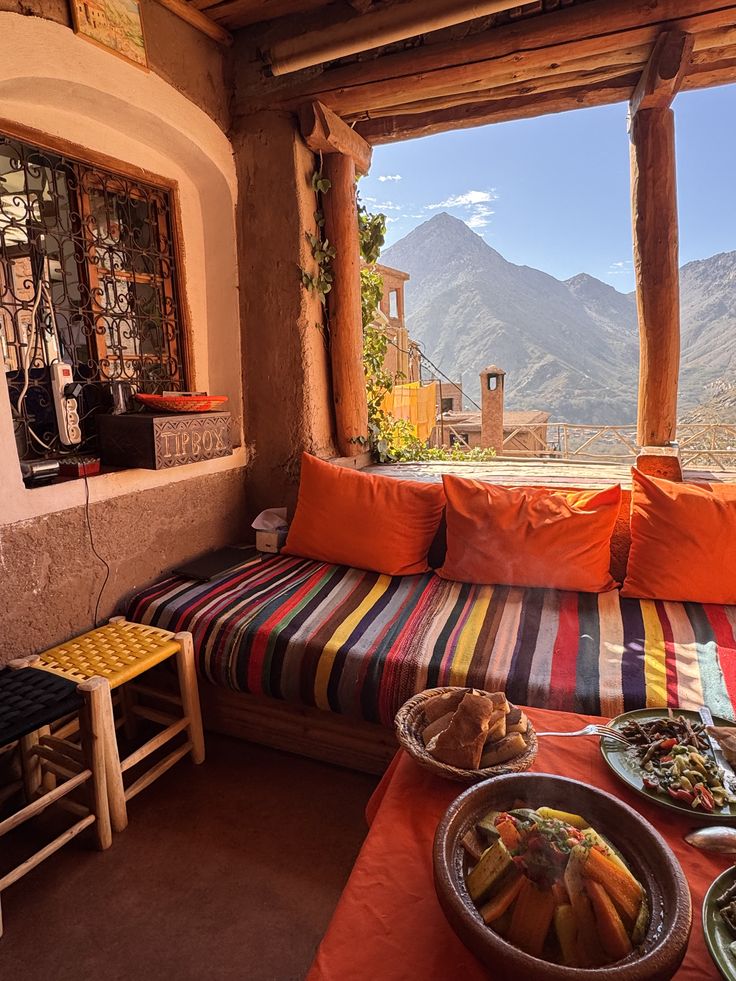
I spent an afternoon with an elder named Brahim. He didn’t speak English, and my Arabic was a disaster, but we sat in a triumphant silence for two hours, shelling walnuts. In the West, we call this “dead air.” To Brahim, it was just life. He taught me that the “Echoes of the High Atlas” aren’t loud; they are the viciously persistent whispers of a world that existed long before the first line of code was written.
Editor’s Personal Note: The Return of the Soul
When I finally hiked back down to the “Connected World,” the first thing I felt wasn’t relief—it was a visceral sense of intrusion. My phone vibrated with 400 “urgent” emails that, in the grand scheme of the Atlas peaks, were completely meaningless.
A Real Human Tip: You don’t need to fly to Morocco to find this sovereign clarity, though I highly recommend it. Start by creating your own “Atlas Hour.” Turn off the router, put the phone in a literal box, and sit with a piece of paper or a physical book. Feel the vicious discomfort of boredom. That discomfort is the sound of your brain coming back to life. It is a triumphant sign that you are still human.