


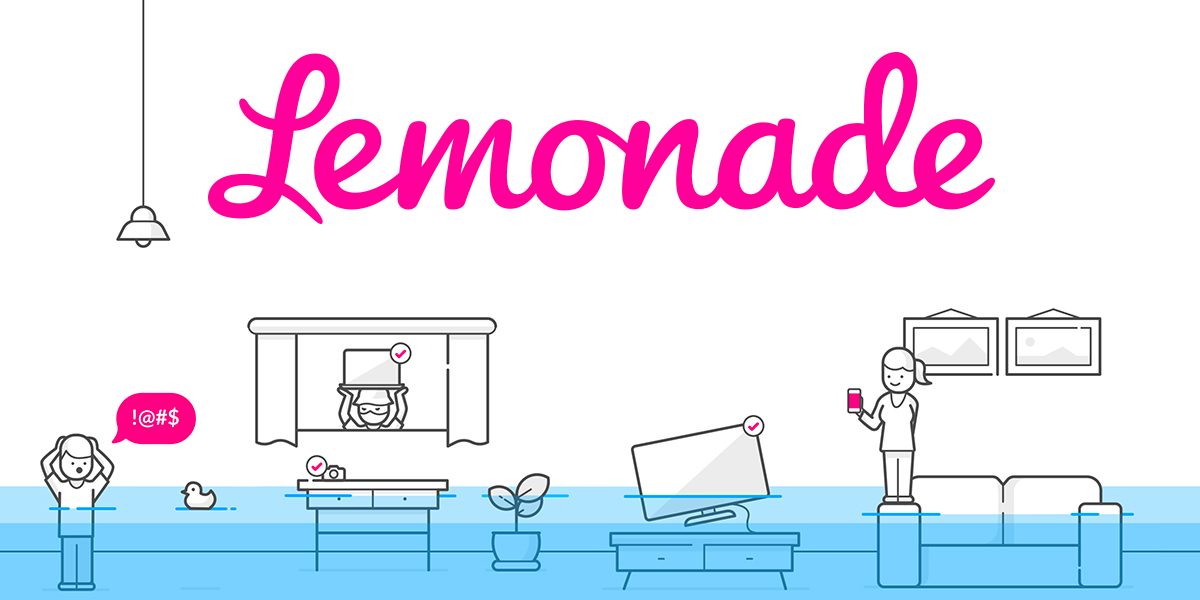
There is a specific, sinking feeling that comes with the sound of breaking glass or the sight of a water stain spreading across a ceiling you don’t own. For years, renters have lived with a quiet, persistent anxiety: the knowledge that while the four walls belong to a landlord, everything that makes those walls a home—the laptop where you built your career, the bike that gets you to the park, the heirloom ring on the nightstand—is essentially unmoored.
For a long time, the insurance industry didn’t help. It felt like a relic of the nineteenth century: dense paperwork, jargon-heavy policies, and a claims process that felt like an interrogation. But as the Lemonade revolution has shown, protecting your life shouldn’t feel like a second job.
The End of the Insurance “Grind”
The shift we are seeing with Lemonade isn’t just a digital facelift; it’s a fundamental reimagining of what an insurance company should be. In the “Blue Hour” of the old industry, getting a quote meant phone calls and waiting days for an agent. Today, it’s a 90-second conversation with an AI.
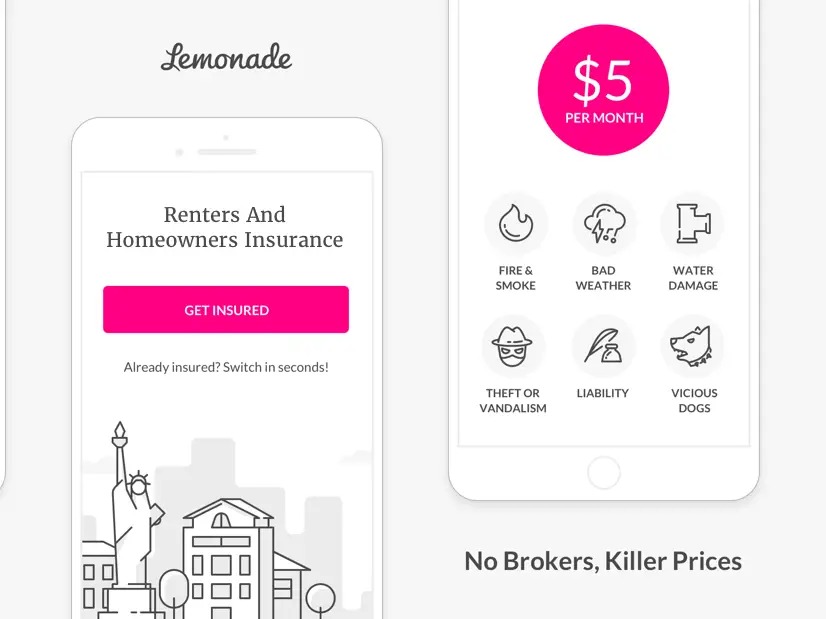
As seen in the recent campaign imagery, the interface is stripped of clutter, focusing on the essentials: No brokers, killer prices, and instant activation. By removing the middleman, renters insurance has dropped to a price point that feels almost like a clerical error: Starting at $5 a month. It is, quite literally, the price of a latte to protect thousands of dollars of personal property.
The “Giveback” Philosophy: Insurance with a Pulse
Perhaps the most human element of the Lemonade model is the Giveback. Traditional insurance is built on an inherent conflict of interest: every dollar they don’t pay you in a claim is a dollar they keep as profit.
Lemonade broke this cycle. They take a flat fee, pay the claims, and then—here is the pivot—they donate what’s left to causes their customers choose. Whether it’s supporting the Malala Fund or American Forests, your monthly premium is doing something good in the background while you sleep. It transforms a “grudge purchase” into an act of social good.
Beyond the Apartment: Protection in the Wild
One of the most misunderstood aspects of modern renters insurance is its reach. Most people assume their policy ends at their front door. In reality, a modern policy covers your gear anywhere in the world. From theft and vandalism to fire and “vicious dogs,” the safety net follows you. If your phone is swiped in a cafe or your bike vanishes from a rack, the “Quiet Geometry” of your policy is already at work.
Why It Matters Now
We live in an age of mobility. We move for jobs, we travel for soul-searching, and we increasingly own things that are portable and expensive. In 2026, being “uninsured” isn’t a badge of frugality; it’s a massive logistical risk.
SEO Travel & Tech Tip: When setting up your policy, look for “Extra Coverage.” While a standard $5 policy covers the basics, adding specific line items for cameras, jewelry, or musical instruments ensures you have zero-deductible protection for the items that actually define your lifestyle.
Editor’s Note: Reclaiming Your Peace of Mind
As someone who has seen the “old world” of insurance, my advice is simple: Don’t wait for a “water-stain morning” to realize you need a safety net. The modern rental experience is about freedom—and you can’t be truly free if you’re one burst pipe away from financial disaster. Spend the five dollars. Get the app. Then, go back to living your life.