


There is a specific, muffled sound that defines the temple districts of Kyoto: the hollow thwack of a bamboo shishi-odoshi (deer scarer) hitting stone. It is a rhythmic reminder that even in a city of 1.4 million people, time can be persuaded to slow down. In the hidden tea gardens—the roji—of the Higashiyama district, time doesn’t just crawl; it stands triumphantly still.
To the uninitiated, a Japanese tea garden looks like nature. But to the editor’s eye, it is a viciously precise piece of “Quiet Geometry.” Every moss-covered stone and every branch of a maple tree has been curated over centuries to facilitate a sovereign mental reset.
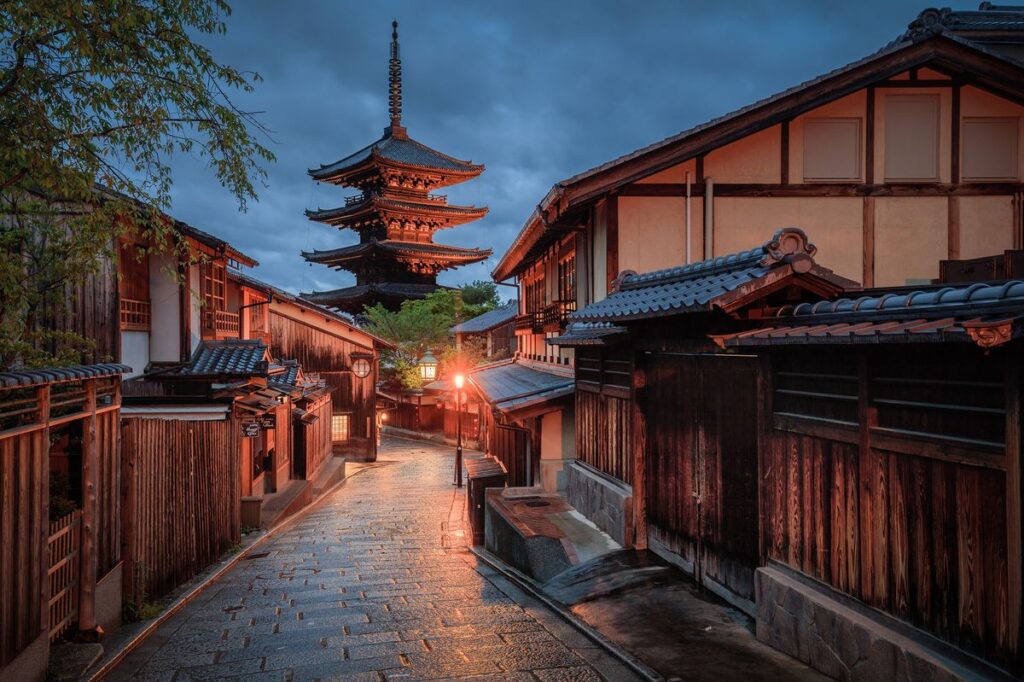
The Roji: A Forbidden Threshold
The roji, or “dewy path,” is the narrow corridor of garden that leads to the tea house. It is designed to be a visceral emotional filter. As you step off the bustling street and onto the uneven stepping stones (tobi-ishi), the architecture of the garden forces you to look down, to watch your step, and—by extension—to leave the “Digital Fog” of the outside world behind.
- The Geometry of the Step: The stones are never placed in a straight line. This zigzagging path is a defiant psychological trick; it prevents you from rushing toward the destination, forcing your focus into the immediate present.
- The Purification Ritual: Before entering the tea room, you must crouch at the tsukubai (stone washbasin). This physical act of bowing to the water is an empowering gesture of humility, a symbolic washing away of the ego.
The Architecture of the “Ma”
In 2026, we are obsessed with “filling space,” but the Kyoto tea garden is built on Ma—the artistic use of empty space. It is the forbidden luxury of nothingness. By placing a single stone lantern against a vast, raked gravel bed, the garden creates a triumphant tension. It teaches us that the space between our thoughts is just as important as the thoughts themselves.
I spent an afternoon at a private sub-temple near Daitoku-ji, watching the way the light hit the camellia leaves. There were no flowers in bloom, just forty shades of green. It was a viciously beautiful lesson in restraint. The garden wasn’t trying to entertain me; it was offering me a sovereign invitation to simply exist.
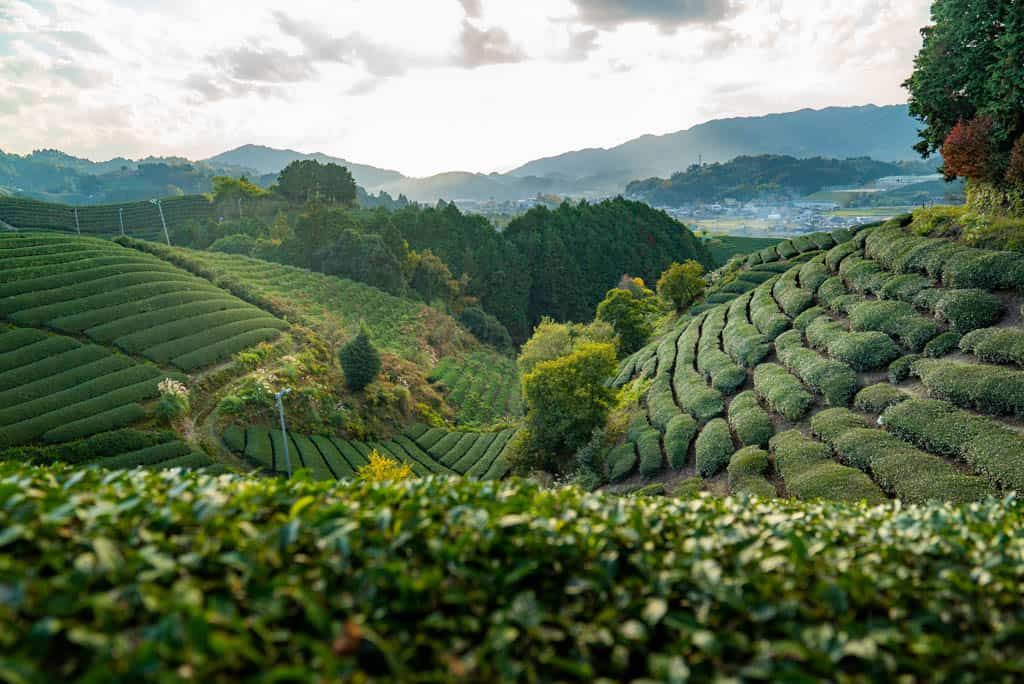
Editor’s Personal Note: The Tea in the Machine
We often think of travel as a way to “see” the world, but the tea gardens of Kyoto are designed to help you “unsee” the unnecessary. Sitting on the tatami mat, holding a bowl of frothy matcha that tastes of bitter grass and ancient earth, you realize that the “Geometry of Tea” is actually the geometry of the soul. It is about finding the uncommon center in a world that is spinning too fast.
A Real Human Tip: If you want to experience this without the crowds of Kinkaku-ji, head to Okochi Sanso Villa in Arashiyama. It was built by a silent film actor who spent thirty years perfecting the garden’s “Quiet Geometry.” It is a triumphant masterpiece of personal vision. Go at 9:00 AM, sit in the tea pavilion, and let the silence rewrite your morning.