


Traveling is not only about visiting famous landmarks and taking photographs. Many travelers today want deeper experiences that connect them with local cultures and traditions. One of the most meaningful ways to do this is by learning traditional crafts while traveling. Craft workshops allow visitors to understand the history, skills, and creativity behind handmade objects that have been passed down through generations.
Instead of just buying souvenirs, travelers can create something with their own hands and bring home a personal memory from their journey. Learning traditional crafts turns a simple trip into a creative and cultural experience.
Connecting with Local Culture
Traditional crafts reflect the identity and history of a place. Each region has unique techniques and materials that show how people lived in the past and how traditions continue today.

When travelers join a craft workshop, they often meet local artisans who are passionate about their work. These artisans share stories about their techniques, tools, and traditions. This personal interaction helps visitors understand the culture in a more meaningful way.
Learning directly from local craftspeople also supports small communities and helps preserve traditional skills that might otherwise disappear.
Popular Crafts Travelers Can Learn
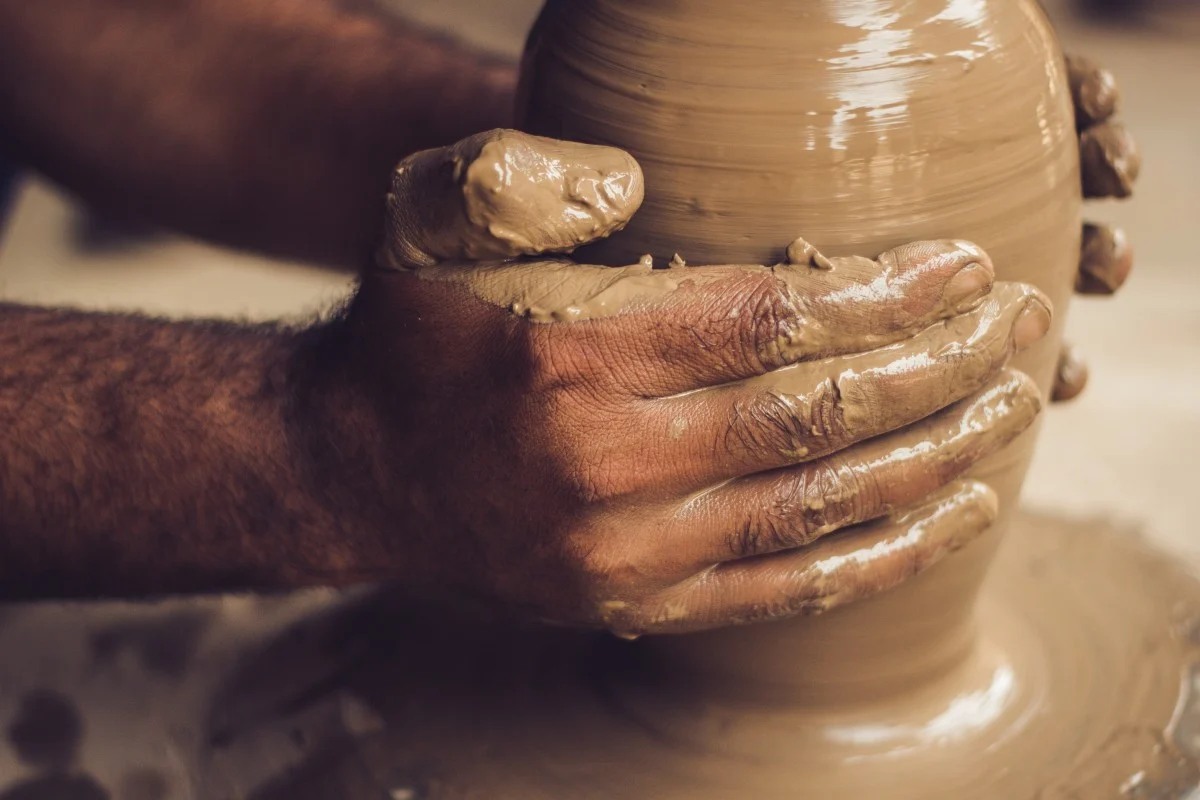
Many destinations offer hands-on workshops where visitors can learn traditional crafts. Pottery is one of the most popular options because it allows beginners to create something simple yet beautiful. Shaping clay on a pottery wheel can be both relaxing and rewarding.
Textile crafts such as weaving and embroidery are also widely available. Travelers can learn how fabrics are made using traditional patterns and natural materials. These experiences often reveal the patience and skill required to produce handmade textiles.
Wood carving is another craft that travelers often enjoy learning. Artisans demonstrate how simple tools can transform pieces of wood into decorative or useful objects.
Other workshops may include jewelry making, basket weaving, painting, or traditional paper crafts. Each craft offers a different creative experience and a new appreciation for handmade art.
A Memorable Souvenir
One of the most special parts of learning traditional crafts is bringing home something you made yourself. Handmade items carry memories that store-bought souvenirs cannot match.
A small clay bowl, woven bracelet, or embroidered cloth becomes a reminder of the place and the people you met during your travels. Every time you see or use the item, it brings back memories of the experience.
These personal souvenirs often become meaningful keepsakes that last for years.
Relaxing and Mindful Travel
Craft workshops offer a slower and more peaceful travel experience. Instead of rushing from one attraction to another, travelers can sit down and focus on a creative activity.
Working with your hands can be calming and enjoyable. Many people find craft activities relaxing because they encourage patience and concentration.
This type of mindful travel helps visitors slow down and truly enjoy their surroundings.
Supporting Local Communities
Participating in craft workshops also supports local artisans and small businesses. Many traditional crafts are made by family-run workshops that rely on tourism for income.
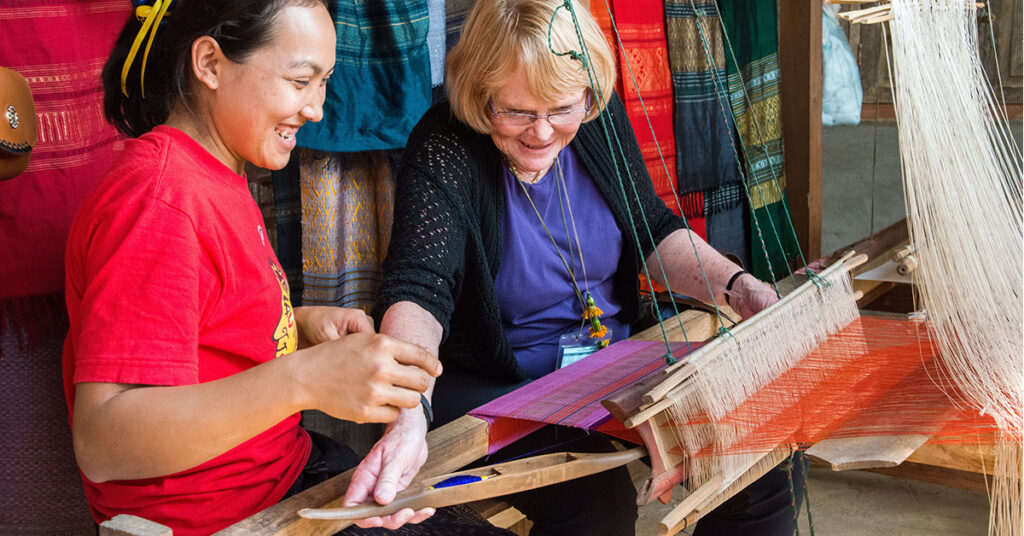
By joining workshops or purchasing handmade goods, travelers help keep these traditions alive. Supporting artisans encourages younger generations to continue learning these skills.
Responsible tourism includes respecting and supporting local culture, and craft learning is an excellent way to do this.
Making Travel More Meaningful
Learning traditional crafts adds a special dimension to travel. Instead of simply observing a culture, travelers become active participants in it. The experience creates stronger memories and a deeper understanding of the destination.
Creative travel experiences are becoming more popular because they offer something unique and personal. Every workshop is different, and every traveler creates something original.
Traveling becomes more meaningful when it includes learning, creativity, and cultural connection. By taking the time to learn traditional crafts, travelers gain more than just souvenirs — they gain stories, skills, and lasting memories that make their journeys truly unforgettable.