


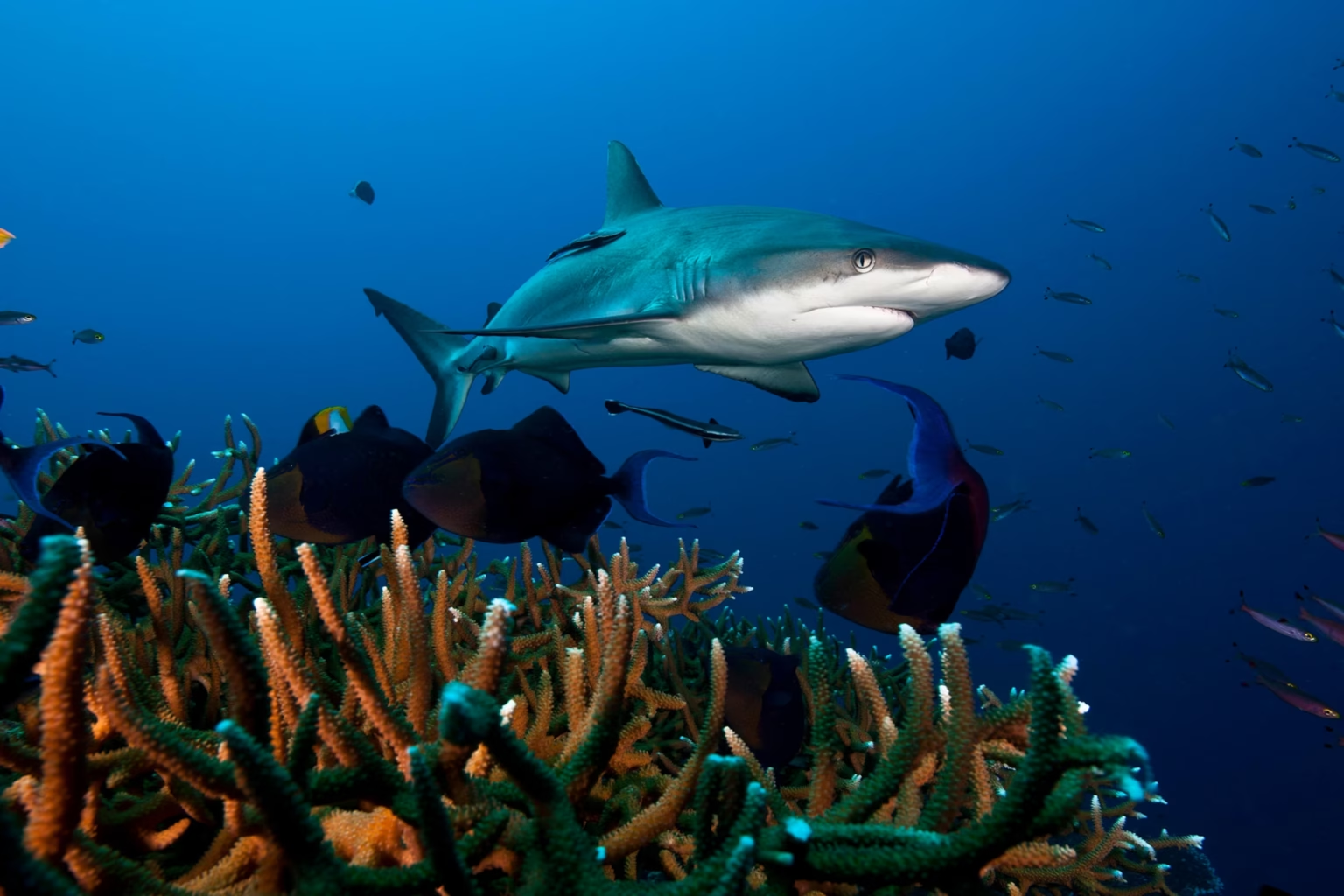
The ocean covers more than 70% of our planet, yet much of it remains mysterious and unexplored. Beneath the surface lies a breathtaking world of movement, color, and life — a place where sharks glide like shadows, dolphins dance through currents, and whales sing across vast underwater valleys. What nature looks like under the sea is both powerful and peaceful, fierce and graceful at the same time.
Let’s dive into this extraordinary marine world.
The Silent Strength of Sharks
Few creatures inspire as much awe as the Shark. Often misunderstood, sharks are not mindless hunters but essential guardians of ocean balance. As apex predators, they regulate marine populations and help maintain healthy ecosystems.
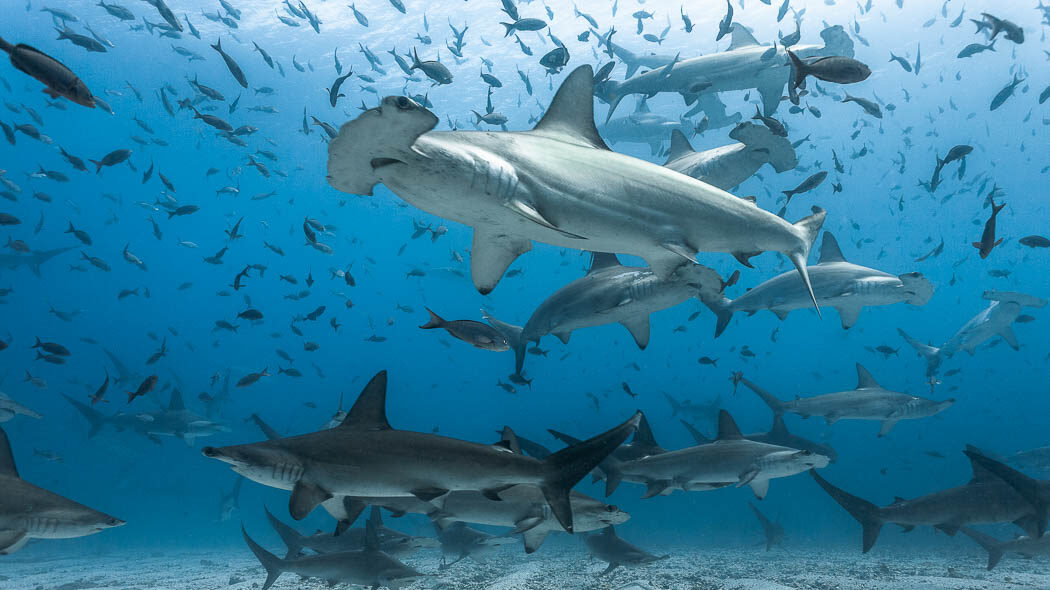
Underwater, sharks move with remarkable efficiency. Their streamlined bodies cut through the water effortlessly, barely disturbing their surroundings. Sunlight filtering down from above creates dramatic silhouettes as they patrol coral reefs or open ocean depths.
Species such as great whites, hammerheads, and reef sharks each bring unique shapes and behaviors to the underwater landscape. Watching a school of hammerhead sharks glide together is like witnessing synchronized choreography in the deep blue.
Dolphins: The Ocean’s Playful Spirits
If sharks represent silent power, Dolphin embody joy and intelligence. Dolphins are known for their playful nature, complex communication, and strong social bonds.
Under the sea, they travel in pods, often weaving around each other in fluid motion. They use echolocation to navigate and hunt, sending out sound waves that bounce back to create a mental map of their environment.
Sunlight dancing on their smooth gray bodies adds to the magic. In tropical waters, dolphins often swim alongside divers, curious yet cautious. Their presence brings energy and lightness to the ocean’s vastness.
Whales: Giants of Grace
The ocean’s true giants are the Whale. Despite their enormous size, whales move with astonishing grace. Species like humpbacks and blue whales migrate thousands of kilometers each year, crossing entire oceans.
Underwater, their scale is almost unimaginable. A single flick of a whale’s tail can propel its massive body forward with gentle strength. Humpback whales are known for their haunting songs, which can travel for miles beneath the sea’s surface.
Encountering a whale underwater is a humbling experience. The stillness of the deep ocean, combined with the presence of such a magnificent creature, creates a profound sense of connection to nature.
The Colors and Light of the Deep
The underwater world is not just about its largest inhabitants. Coral reefs burst with color — oranges, purples, blues, and yellows — forming living cities beneath the waves. Schools of tropical fish shimmer like moving rainbows, while sea turtles glide slowly past rocky outcrops.
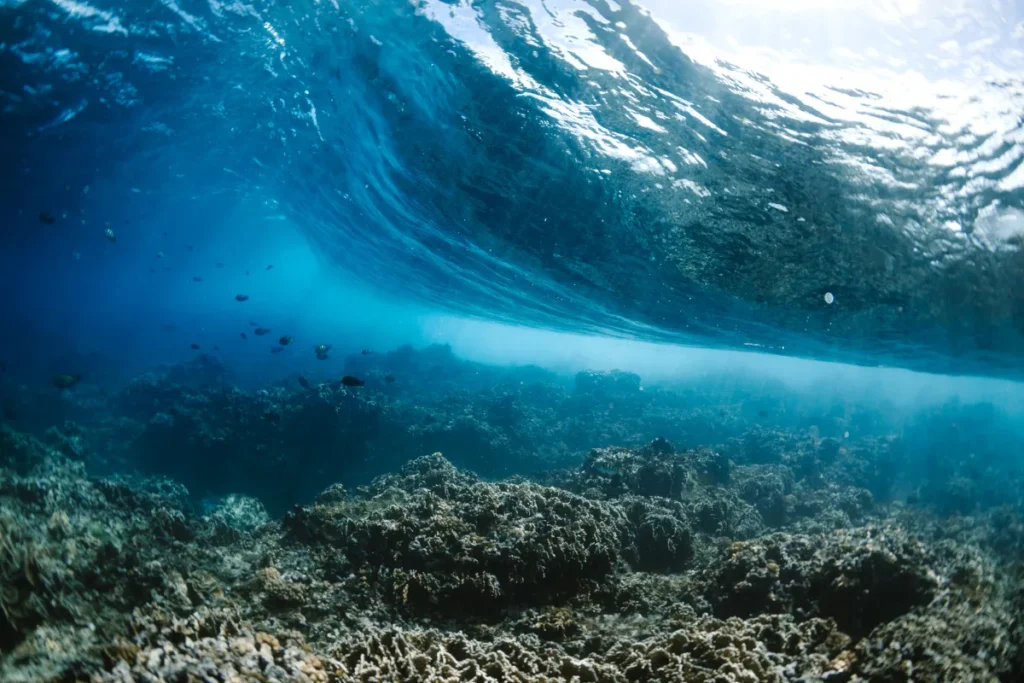
Light behaves differently underwater. As you descend, reds and oranges fade, leaving deeper shades of blue. In shallow waters, sunlight creates shifting patterns on sandy seabeds, turning the ocean floor into a living canvas.
This interplay of light and shadow adds depth and drama to marine life scenes.
A Fragile Ecosystem
While the underwater world appears timeless, it is delicate. Climate change, pollution, and overfishing threaten marine ecosystems worldwide. Coral bleaching events and declining shark populations are reminders that ocean health is deeply connected to human actions.
Protecting sharks, dolphins, whales, and their habitats is essential not only for biodiversity but for maintaining global ecological balance.
Final Thoughts
What nature looks like under the sea is beyond imagination — a blend of power, grace, color, and silence. Sharks command respect, dolphins inspire joy, and whales evoke wonder. Together, they form part of a complex and beautiful marine ecosystem that continues to captivate explorers and scientists alike.
Beneath the surface lies a world that feels almost otherworldly, yet it is very much a part of our planet’s heartbeat. The more we understand and protect it, the longer its beauty will endure for generations to come.