

Barcelona is a city where everyday life unfolds inside a living museum. Laundry hangs from Gothic balconies, cafés spill onto medieval squares, and footsteps echo through streets older than many nations. Here, architecture isn’t a backdrop—it’s an active participant in daily life. To understand Barcelona is to understand how its buildings shape the rhythm, culture, and identity of the city.
The story begins in the Gothic Quarter, the oldest part of Barcelona. Narrow alleys twist between towering stone walls, designed centuries ago to offer shade and protection. These streets were built for walking, not cars, and they encourage a slower pace. Neighbors greet one another from balconies, shopkeepers linger in doorways, and history feels close enough to touch. Roman columns still stand tucked inside courtyards, quietly reminding residents that the city’s foundations stretch back over two thousand years.
Architecture here reflects survival and adaptation. Medieval buildings have been reshaped again and again, blending Roman, Gothic, and later influences. Churches, civic halls, and residential buildings share the same dense space, reinforcing a sense of community. Life in historic Barcelona has always been layered—public and private, sacred and ordinary, intertwined.
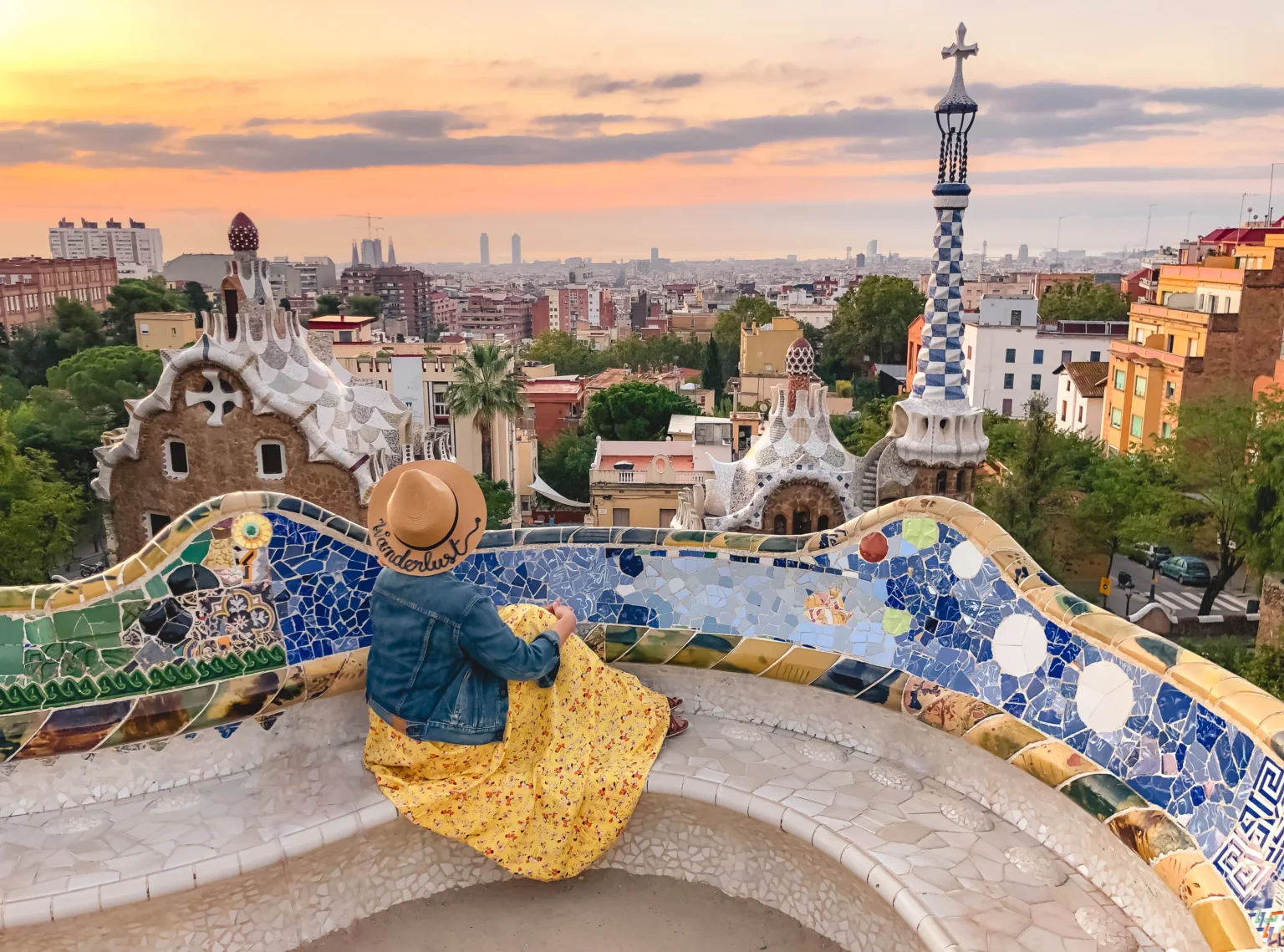
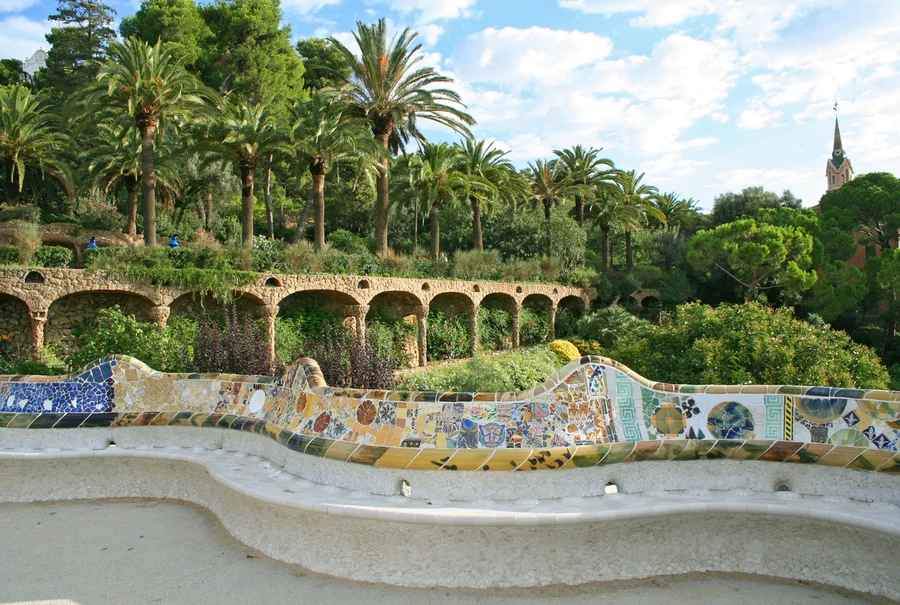
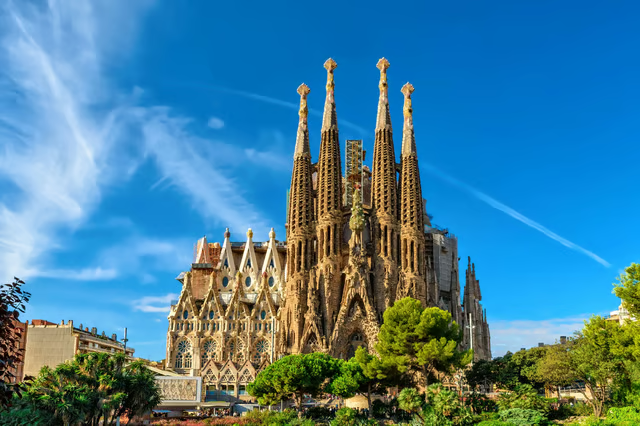
Move beyond the Gothic Quarter and the city opens into broader streets and bold visions. Nowhere is this more visible than in the works of Antoni Gaudí. His architecture didn’t just change Barcelona’s skyline; it changed how people experienced space. Buildings like Casa Batlló and Casa Milà blur the line between structure and sculpture. Curved walls, organic shapes, and colorful mosaics reflect nature rather than rigid geometry.
Gaudí’s influence extends beyond aesthetics. His buildings invite light, airflow, and movement, making them surprisingly functional for daily life. Apartments feel alive, shaped around comfort and creativity rather than uniformity. In Barcelona, even residential architecture carries artistic ambition.
Equally important is the Eixample district, designed in the 19th century to address overcrowding in the old city. Its grid layout, wide boulevards, and chamfered corners were revolutionary. Buildings were designed with interior courtyards to bring light and greenery into urban living. This blend of planning and beauty created a city that values livability as much as visual impact.
Life in Barcelona naturally spills into shared spaces. Architecture supports this social culture. Balconies, plazas, and open courtyards encourage interaction. Cafés are not tucked away—they’re extensions of the street. The city’s design invites people outside, fostering a lifestyle centered on conversation, food, and connection.
What makes historic Barcelona unique is how seamlessly the old and new coexist. Ancient walls sit beside modern shops. Centuries-old buildings house contemporary apartments. Rather than erasing the past, the city builds around it. Preservation here isn’t about freezing time; it’s about allowing history to evolve.
Daily life reflects this balance. Residents move comfortably between eras—commuting past Roman ruins, shopping beneath modernist facades, gathering in plazas shaped by medieval planning. Architecture becomes a quiet guide, reminding people where they’ve come from while accommodating how they live now.
In historic Barcelona, architecture does more than impress visitors. It shapes habits, relationships, and values. It encourages slowness, creativity, and community. Stone walls and sculpted facades carry memory, while balconies and courtyards hold present-day life.
To live in Barcelona is to live in conversation with history—one where buildings don’t simply stand still, but continue to shape the way the city breathes, moves, and feels every single day.