


In a world where travel planning often means juggling multiple tabs, comparison sites, and promo codes, SnapTravel entered the scene with a refreshingly simple idea: book hotels through messaging. What started as a convenience-driven experiment has grown into a popular travel platform, especially among deal-hunters and mobile-first travelers. But what exactly is SnapTravel, and why did it gain so much attention?
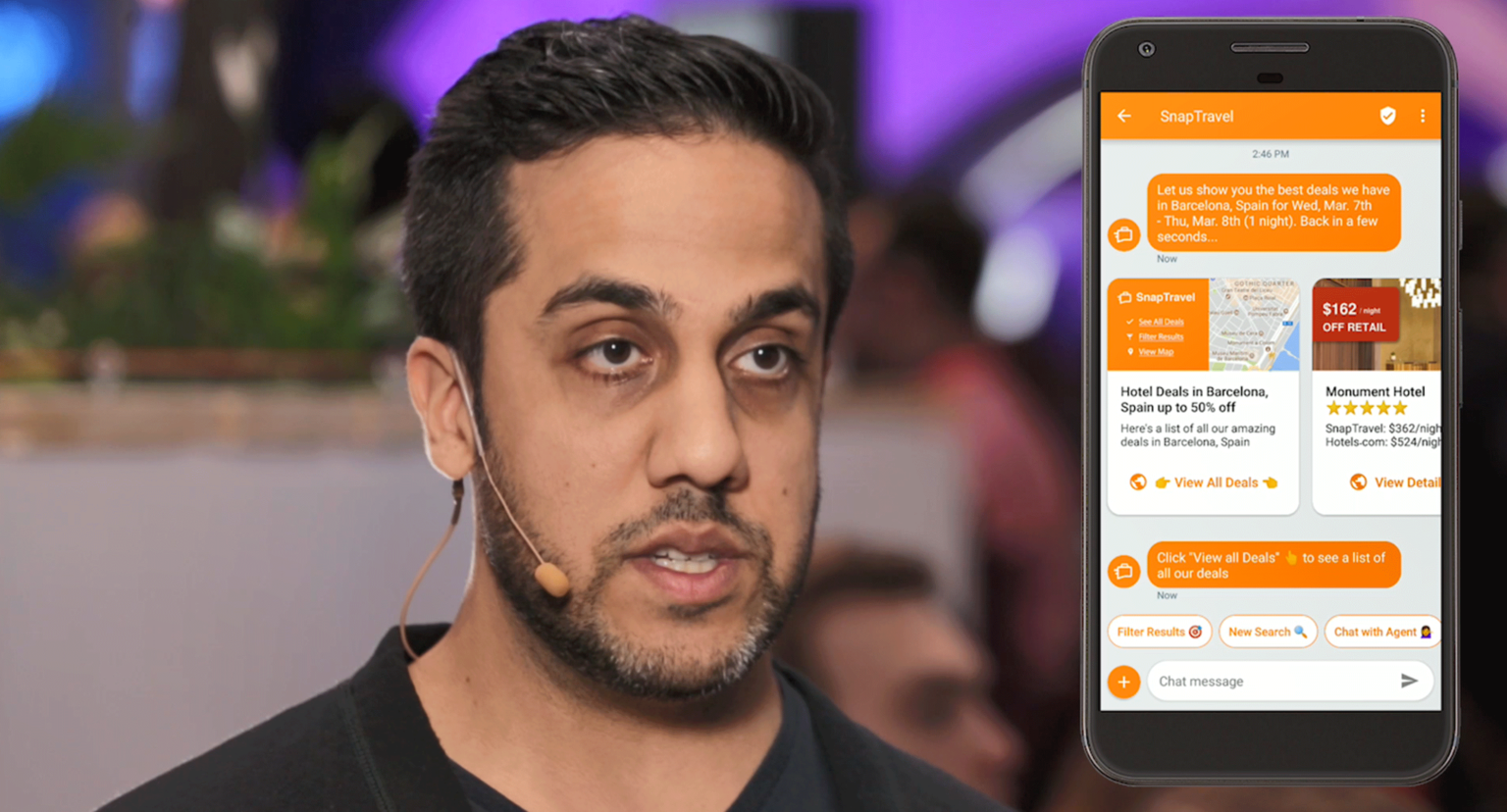
SnapTravel is a travel booking service that allows users to search and book hotels through messaging apps and web chat. Instead of navigating complex booking engines, users interact with an automated assistant that finds hotel deals based on location, dates, and budget. The promise is straightforward—exclusive discounts, fast booking, and less friction.

One of SnapTravel’s biggest appeals is its focus on hotel deals rather than flights or full vacation packages. By narrowing its scope, the platform positions itself as a specialist rather than an all-in-one travel giant. Travelers who already know where they’re going but want to save on accommodation are the primary audience.
The messaging-based approach reflects how people actually communicate today. Many travelers are more comfortable texting than filling out long forms. SnapTravel meets users where they already are—on chat interfaces—making the experience feel casual and intuitive. You ask for a hotel in a city, specify dates, and receive options almost instantly.
Another reason SnapTravel gained popularity is its emphasis on unpublished or private rates. Some hotels offer discounted prices that aren’t listed publicly on major booking sites. SnapTravel aggregates these deals and presents them directly to users, often claiming savings compared to traditional platforms. For budget-conscious travelers, that value proposition is hard to ignore.
The platform also appeals to spontaneous travelers. Last-minute hotel bookings can be stressful and expensive, but SnapTravel is designed to surface deals quickly, making it easier to book on short notice. This flexibility aligns well with modern travel habits, where plans often change quickly.
From a usability standpoint, SnapTravel removes decision fatigue. Instead of scrolling endlessly through reviews and filters, users receive a curated set of options. This streamlined process can feel liberating, especially for travelers who prioritize price and location over deep customization.
However, SnapTravel isn’t without limitations. Because it focuses primarily on hotels, it may not suit travelers looking for full trip planning, including flights, activities, or bundled packages. Additionally, users who enjoy comparing dozens of properties or reading extensive reviews may find the simplified interface restrictive.
Trust and transparency are also important factors. As with any deal-focused platform, travelers need to read booking details carefully, including cancellation policies and fees. While SnapTravel aims to simplify booking, responsibility still rests with the user to understand the terms.
What makes SnapTravel interesting from a broader perspective is what it represents in travel tech. It reflects a shift toward conversational commerce—where services are delivered through chat rather than traditional websites. This model prioritizes speed, accessibility, and user comfort over complexity.
For many travelers, SnapTravel works best as a complementary tool rather than a replacement for all travel planning. It’s particularly useful for quick hotel searches, last-minute stays, or situations where saving money matters more than customization.

As travel continues to evolve, platforms like SnapTravel highlight how innovation doesn’t always mean adding more features. Sometimes, it means removing friction. By simplifying the booking process and focusing on direct communication, SnapTravel has carved out a niche that resonates with modern travelers.
In the end, SnapTravel’s success lies in its understanding of how people want to travel today: quickly, affordably, and without unnecessary hassle. Whether you’re planning a spontaneous weekend getaway or trying to cut costs on a longer trip, it offers a glimpse into a more conversational, user-friendly future of travel booking.