

When people imagine Europe’s natural landscapes, they often think of rolling countryside, alpine peaks, or Mediterranean coastlines. Yet far beyond these familiar scenes lies a colder, wilder Europe—one shaped by ice, ocean, and survival. In the Arctic regions of Europe, nature takes on a dramatic form, where polar bears roam vast ice fields, walruses gather along frozen shores, and seals thrive in frigid waters. This lesser-seen side of Europe reveals a raw and powerful wilderness.
Europe’s Arctic Edge
Europe’s Arctic nature is found primarily in the far north, in regions such as Svalbard, northern Scandinavia, and the Arctic seas bordering the continent. These landscapes are defined by extremes—long months of darkness, brief summers of constant daylight, and temperatures that test every living creature. Yet life here is not only possible, it is remarkably resilient.
From towering glaciers to drifting sea ice, the environment shapes the animals that call this region home. Survival depends on adaptation, and nowhere is this more evident than in Europe’s Arctic wildlife.
Polar Bears: Guardians of the Ice
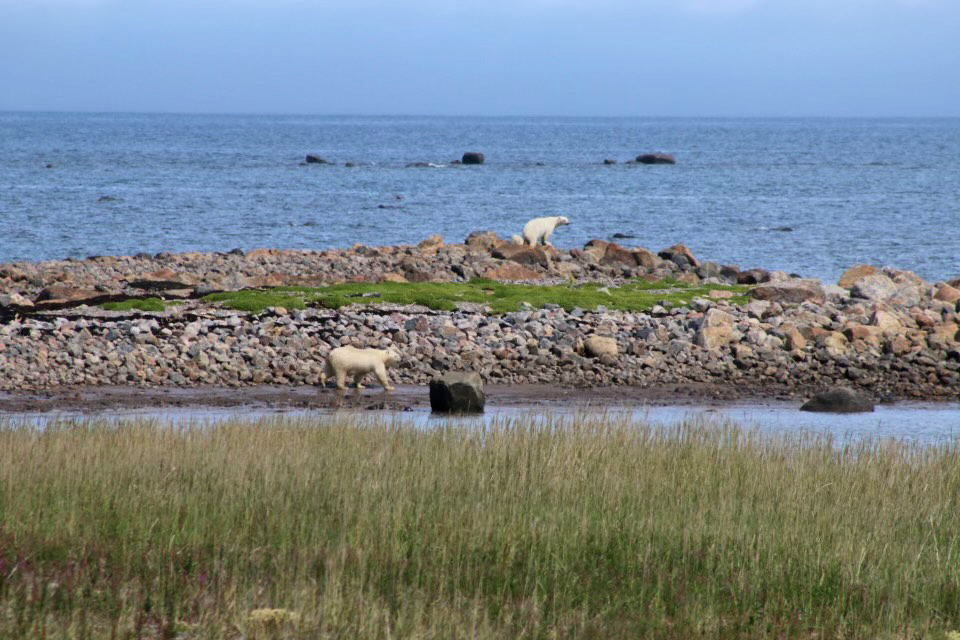
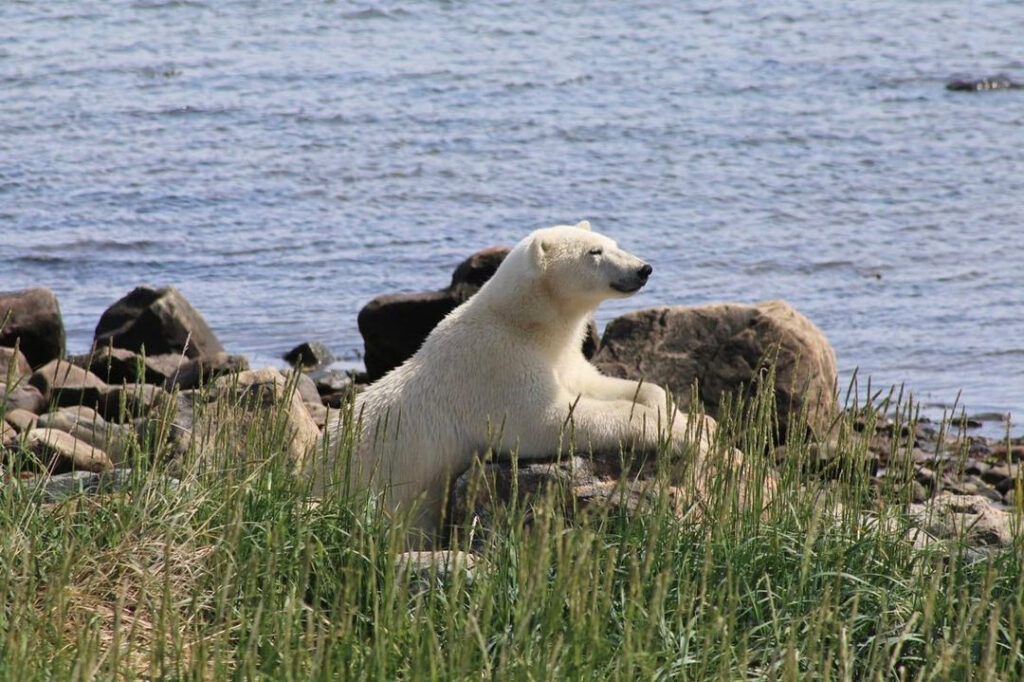
Polar bears are the most iconic inhabitants of Europe’s Arctic regions, particularly around Svalbard. Seen against endless white landscapes, they embody both power and vulnerability. Built for cold climates, their thick fur and layers of fat protect them from freezing temperatures while allowing them to move silently across ice and snow.
From afar, watching a polar bear navigate sea ice offers a rare glimpse into a world where nature still dictates the rules. These solitary animals depend heavily on stable ice to hunt seals, making them powerful symbols of the fragile balance within Arctic ecosystems.
Walruses: Giants of the Shore
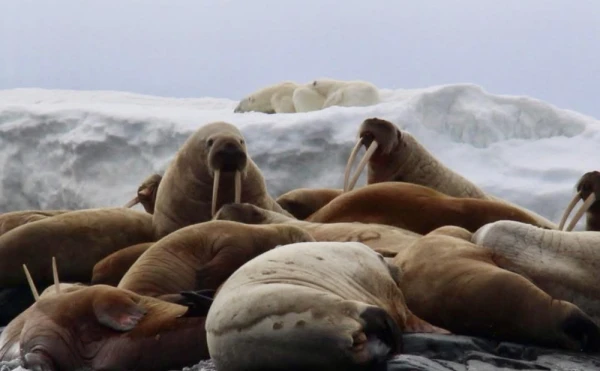
Along icy coastlines and remote islands, walruses gather in surprisingly social groups. With their massive bodies, long tusks, and expressive faces, they appear almost prehistoric. Walruses rely on shallow waters rich in shellfish, using their sensitive whiskers to locate food on the ocean floor.
In Europe’s Arctic, walruses can often be seen resting together on ice floes or rocky beaches. Their presence highlights the productivity of cold seas, where nutrient-rich waters support abundant marine life despite harsh conditions.
Seals: Masters of Land and Sea
Seals are among the most adaptable creatures in Europe’s Arctic waters. Species such as ringed seals, bearded seals, and harbor seals thrive in icy environments, seamlessly moving between land, ice, and ocean. Their sleek bodies and thick blubber allow them to hunt efficiently while remaining insulated from the cold.
Seals play a crucial role in Arctic ecosystems, serving as both predators and prey. Their close relationship with sea ice makes them vital indicators of environmental change in the region.
A Landscape Shaped by Ice and Light
The beauty of Europe’s Arctic nature is inseparable from its dramatic landscapes. Glaciers carve valleys over centuries, while sea ice shifts daily with wind and tide. In summer, the midnight sun bathes the land in golden light, revealing mosses, lichens, and wildflowers that bloom briefly but brilliantly.
This stark beauty feels untouched, offering a sense of scale and silence rarely found elsewhere in Europe. The environment demands respect, reminding visitors that humans are merely observers here.
Fragile Wilderness, Global Importance
Europe’s Arctic regions are among the most sensitive environments on Earth. Changes in temperature and ice conditions directly affect wildlife survival. Polar bears, walruses, and seals depend on stable ecosystems that are increasingly under pressure.
Protecting these regions is not just about preserving wildlife—it’s about safeguarding a vital part of the planet’s climate system.
A Different Side of Europe
Europe’s frozen wilds challenge the idea that the continent is fully tamed or familiar. Here, nature remains vast, unpredictable, and awe-inspiring. From the silent glide of a seal to the powerful stride of a polar bear, this is Europe at its most elemental.
In the Arctic reaches of Europe, nature reveals itself not as scenery, but as a living force—ancient, resilient, and profoundly alive.