

Travel in 2026 is no longer just about ticking destinations off a list. A growing number of travelers are rethinking not only where they go, but how their choices impact the world around them. Conscious travel—once considered a niche approach—has become a mainstream mindset, reshaping the way people explore new places. From sustainability and cultural respect to personal responsibility, travel is now guided by intention as much as inspiration.
At the heart of conscious travel is awareness. Travelers are increasingly mindful of the environmental, social, and economic effects of their journeys. This shift is driven by greater access to information and a deeper understanding of how tourism can both support and strain destinations. Instead of asking, “What do I want to see?” travelers are also asking, “How will my presence affect this place?”
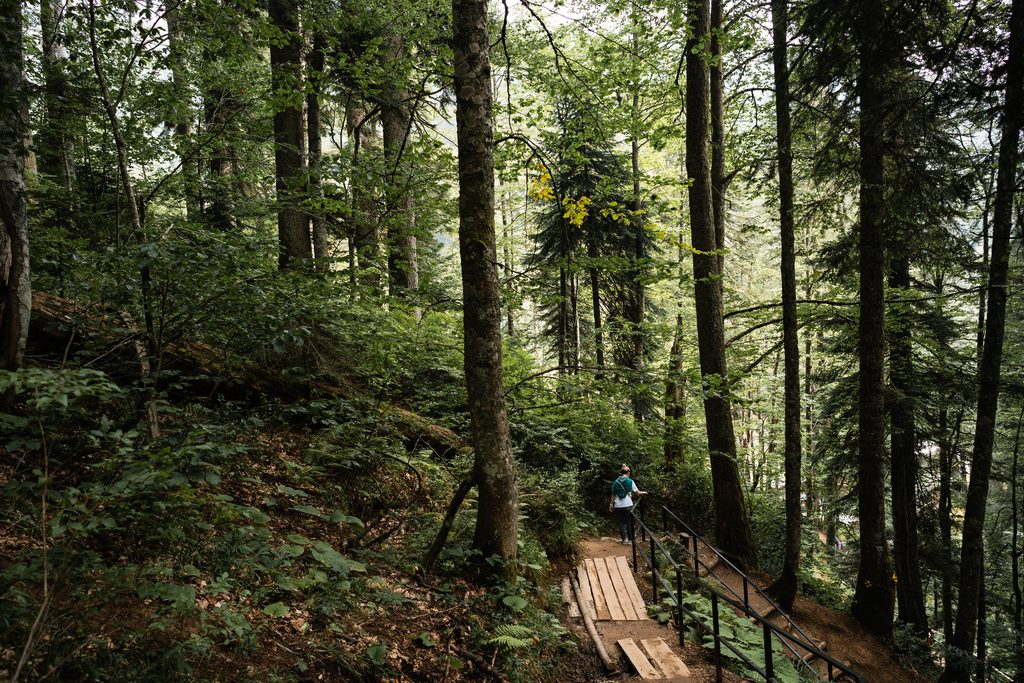
Sustainability plays a central role in this movement. More travelers are choosing eco-friendly accommodations, low-impact transportation, and responsible tour operators. Trains are often preferred over short-haul flights, reusable travel items are replacing single-use plastics, and nature-based activities are selected with conservation in mind. These small but meaningful decisions collectively reduce the environmental footprint of travel.
Another important element of conscious travel is support for local communities. Rather than spending exclusively at global chains, travelers are seeking locally owned hotels, restaurants, and businesses. This ensures that tourism revenue stays within the destination, directly benefiting residents. Local guides, artisans, and family-run establishments offer more authentic experiences while strengthening the local economy.
Cultural respect has also become a priority. Conscious travelers take time to understand local customs, traditions, and social norms before arriving. Simple actions—learning basic phrases, dressing appropriately, or asking permission before taking photos—demonstrate respect and curiosity rather than entitlement. Travel becomes a two-way exchange, fostering mutual understanding instead of passive consumption.
The rise of slower, more immersive travel supports this mindset. Instead of rushing through multiple cities, travelers are spending more time in one place. This allows for deeper connections, reduced transportation impact, and a more relaxed experience. Living like a temporary local—shopping at neighborhood markets or using public transport—creates a sense of belonging and appreciation that fast travel often misses.
Technology has also influenced conscious travel in positive ways. Digital tools help travelers research ethical businesses, monitor carbon footprints, and discover lesser-known destinations. At the same time, many travelers intentionally disconnect once they arrive, choosing presence over constant documentation. Conscious travel values experience over exposure.
Wellness and mental well-being are closely linked to this trend. Travelers are choosing destinations and experiences that promote balance rather than exhaustion. Nature retreats, cultural stays, and peaceful environments are replacing overcrowded attractions. Travel becomes a form of restoration, benefiting both the traveler and the destination.
Importantly, conscious travel does not require perfection. It’s about progress and intention, not guilt. Every traveler has different limitations, budgets, and circumstances. Making one thoughtful choice—such as staying longer, traveling off-season, or supporting a local business—can make a positive difference.

As global travel continues to evolve, conscious choices are shaping its future. Destinations that prioritize sustainability and community involvement are gaining appreciation, while travelers are redefining luxury as meaning, connection, and respect. Where you go truly matters—not just for your memories, but for the people and places that welcome you.
In this new era, travel is no longer just a personal journey. It’s a shared responsibility and an opportunity to explore the world in a way that leaves it better than we found it.