


Vacations are no longer just about escape—they are about restoration. In 2026, travel is undergoing a powerful transformation as wellness and nature take center stage. Travelers are moving away from crowded itineraries and overstimulating experiences, choosing instead journeys that heal the mind, body, and spirit. This shift marks the rise of travel that heals, where the destination is not just a place, but a process of renewal.
At the heart of this trend is a growing awareness of burnout. Fast-paced lifestyles, digital overload, and constant connectivity have left many people craving stillness. Nature-based travel offers an antidote. Forests, mountains, lakes, and coastlines provide environments where the nervous system can reset naturally. Simply being immersed in natural surroundings has been shown to reduce stress, improve mood, and enhance overall well-being—benefits travelers are now actively seeking.
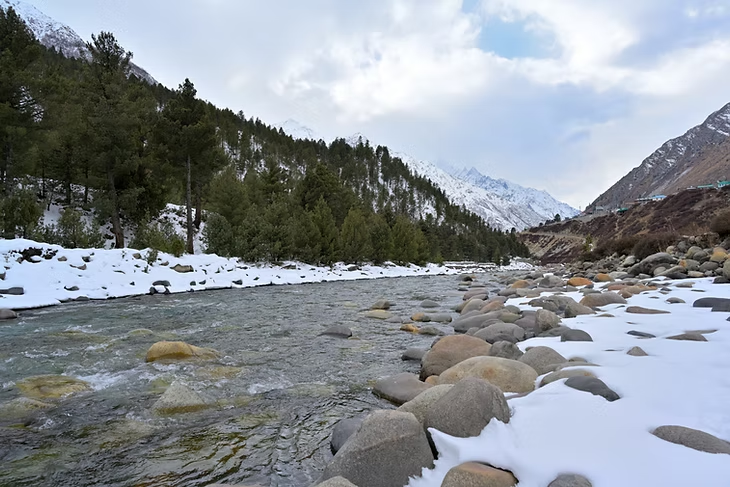
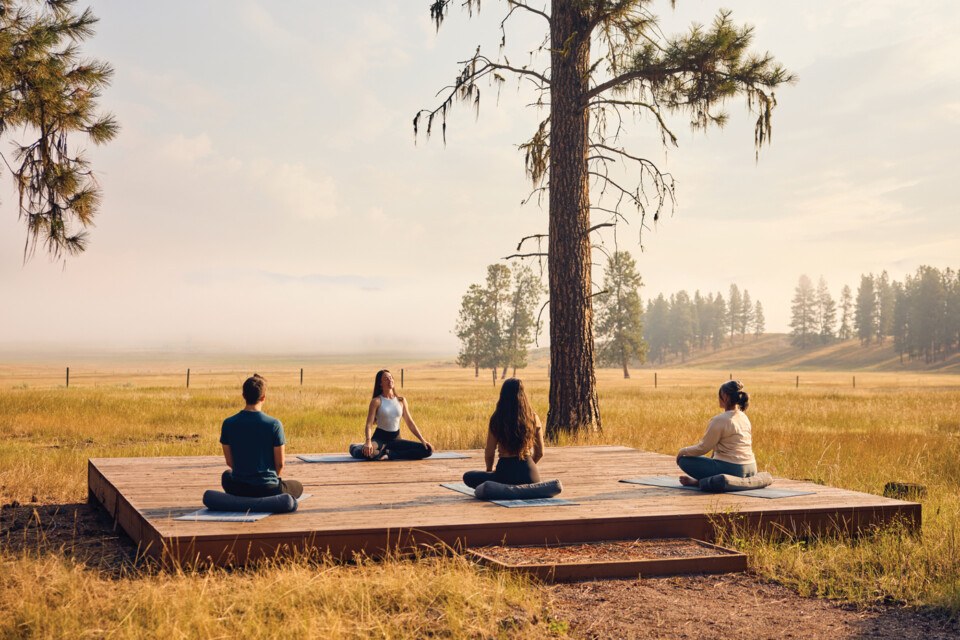
Wellness travel today goes far beyond spa treatments. While massages and thermal baths remain popular, the focus has expanded to holistic experiences. Yoga retreats in remote valleys, meditation sessions by quiet lakes, and guided forest bathing walks are becoming core elements of modern vacations. These activities encourage mindfulness and presence, allowing travelers to reconnect with themselves as much as with the destination.
Nature plays a central role in this healing approach. Travelers are choosing destinations that prioritize natural beauty and environmental harmony. Mountain retreats offer crisp air and grounding landscapes, while coastal escapes provide rhythmic calm through the sound of waves. Even desert destinations are gaining popularity for their silence and expansive skies, offering a rare sense of mental clarity.
Another key aspect of this trend is the integration of movement and gentle adventure. Hiking, swimming in natural springs, cycling through scenic trails, and practicing outdoor yoga allow travelers to stay active without pressure. These experiences emphasize joy and connection rather than performance, aligning physical activity with mental relaxation.
Eco-conscious accommodations are also shaping the future of wellness travel. Travelers increasingly prefer eco-lodges, nature resorts, and sustainably designed retreats that blend seamlessly with their surroundings. These spaces use natural materials, prioritize energy efficiency, and often incorporate farm-to-table dining. The result is an environment that feels nurturing rather than indulgent, supporting wellness without excess.
Food has become an essential part of healing travel. Nutrient-rich, locally sourced meals are replacing heavy resort buffets. Many wellness destinations offer plant-forward menus, herbal teas, and traditional recipes rooted in local culture. Eating becomes a mindful experience, reinforcing the connection between health, nature, and place.
Digital detoxing is another defining feature of this movement. Many travelers intentionally disconnect from screens, social media, and constant notifications during their trips. Some retreats even encourage phone-free zones to help guests fully engage with their surroundings. This break from digital noise creates space for reflection, creativity, and genuine rest—something increasingly rare in everyday life.
Importantly, wellness travel is becoming more accessible and personalized. It’s no longer limited to luxury retreats or long stays. Short nature getaways, weekend retreats, and wellness-focused city escapes are making healing travel achievable for more people. Travelers are learning that even a few days in the right environment can make a meaningful difference.
The emotional impact of travel is also being redefined. Instead of returning home exhausted, travelers want to feel refreshed, centered, and inspired. Wellness-focused journeys prioritize emotional balance, helping people process stress, gain perspective, and return with renewed energy. Travel becomes a form of self-care rather than consumption.
As this trend continues to grow, it’s clear that the future of vacations lies in intention. Travel that heals respects both the traveler and the destination. It values sustainability, presence, and inner well-being over constant stimulation. In choosing nature and wellness, modern travelers are redefining success—not by how much they see, but by how deeply they feel restored.
In a world that rarely slows down, healing travel offers something truly valuable: the chance to breathe, reconnect, and come back whole.