

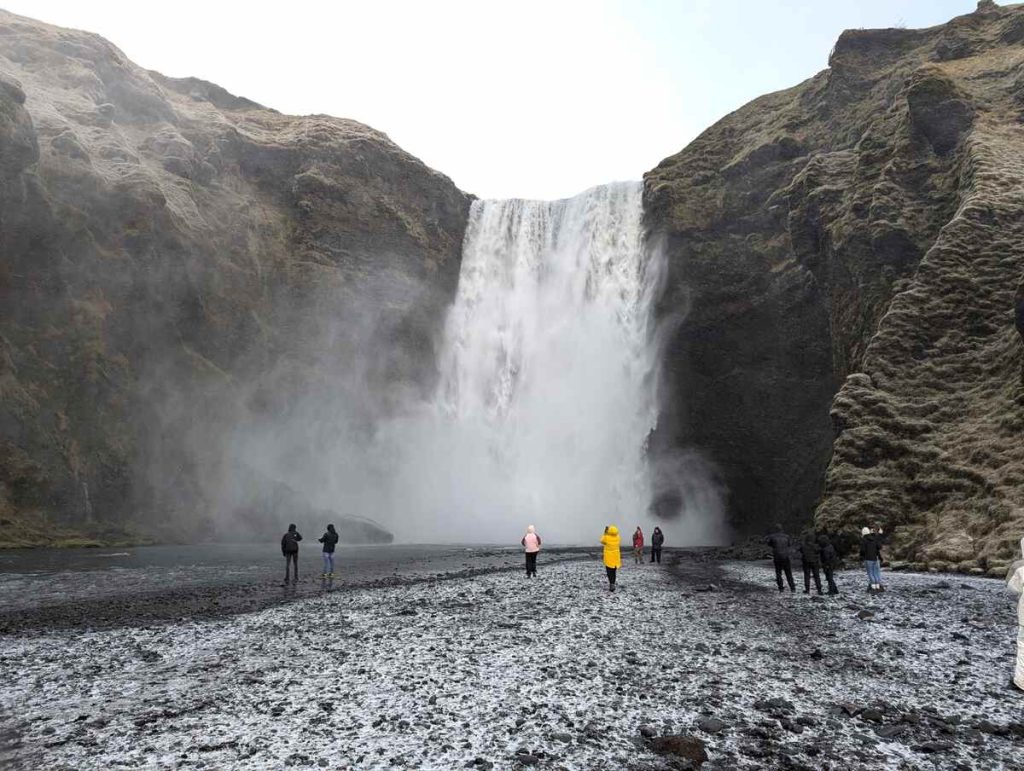
Iceland’s waterfalls have long been celebrated as symbols of raw beauty and untamed power, but recent scientific observations suggest they are also becoming indicators of a much larger global story. Researchers monitoring Iceland’s rivers and glacial systems are reporting noticeable changes in water volume, flow intensity, and seasonal behavior—changes closely linked to rising global temperatures and accelerated glacial melt.
Once predictable in their rhythm, many of Iceland’s most famous waterfalls are now showing signs of instability that are drawing international attention.
Glacial Melt Is Changing the Flow
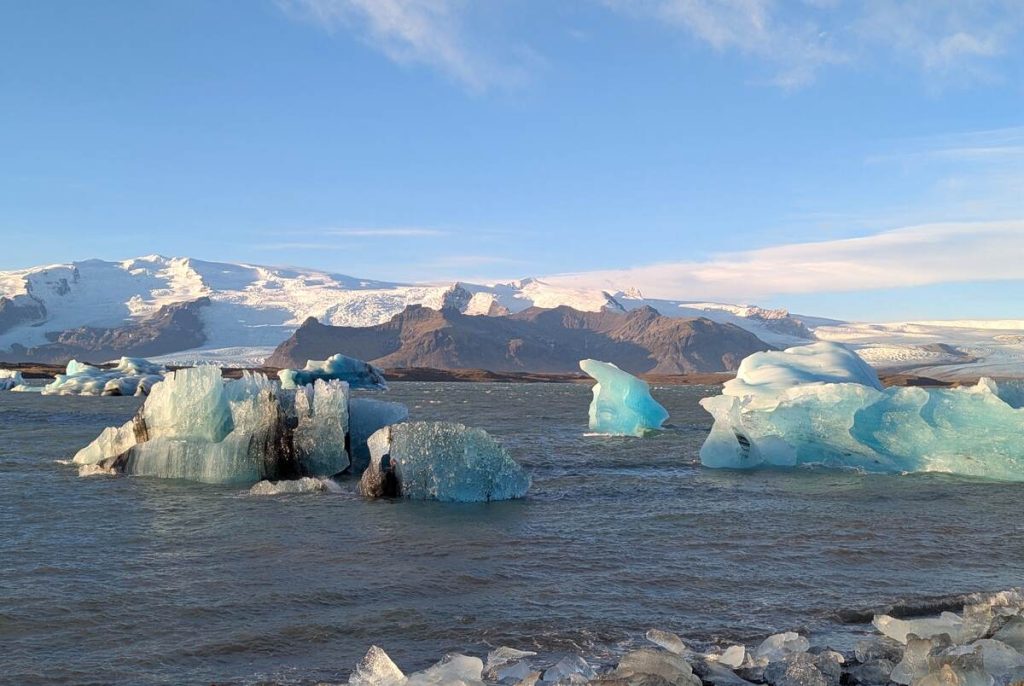
Iceland is home to some of Europe’s largest glaciers, which feed countless rivers and waterfalls. As temperatures rise, these glaciers are melting faster than previously recorded. According to environmental monitoring agencies, increased meltwater is leading to stronger river currents during warmer months, causing waterfalls to surge with unusual force.
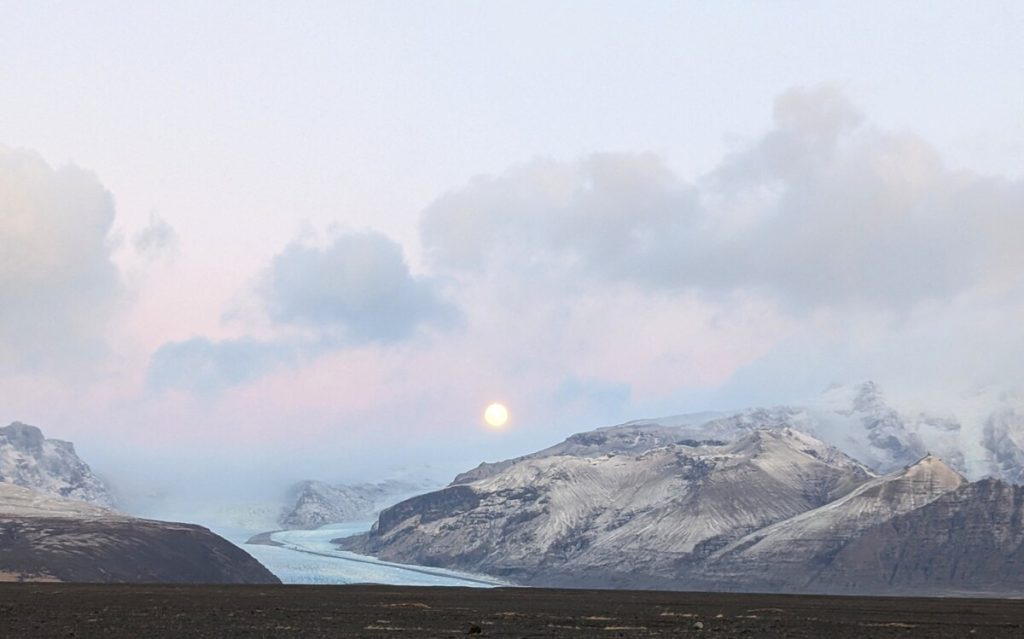
While the dramatic visuals may appear breathtaking, scientists warn that this intensified flow places stress on surrounding ecosystems. Riverbanks erode more quickly, sediment levels rise, and delicate habitats downstream are disrupted.
Seasonal Patterns Are Shifting
Traditionally, Iceland’s waterfalls followed a clear seasonal cycle—powerful in summer due to glacial melt and calmer during winter when water froze or slowed. That balance is changing. Experts now report that some waterfalls remain unusually active even in colder months, while others experience sudden surges after intense rainfall events.
These unpredictable patterns increase the risk of flash flooding, particularly in low-lying areas and near popular tourist routes. Local authorities have already begun reviewing safety guidelines around major waterfalls to adapt to these changes.
Tourism Faces New Challenges
Waterfalls are among Iceland’s biggest tourist draws, attracting millions of visitors each year. However, stronger flows and unstable terrain have raised concerns about visitor safety. Slippery paths, stronger spray zones, and sudden water level changes have prompted officials to introduce new warning systems and restricted access points in certain locations.
Tour operators are also adjusting itineraries, emphasizing guided visits and real-time weather monitoring. While tourism remains strong, the industry is learning to adapt to a landscape that is no longer as predictable as it once was.
A Natural Warning System
Scientists view Iceland’s waterfalls as natural indicators of climate stress. Because they respond quickly to changes in temperature and precipitation, they provide visible evidence of environmental shifts that might otherwise go unnoticed.
Researchers are using drone mapping, satellite data, and on-site sensors to track changes in waterfall behavior. These findings are contributing to broader climate models that help predict future water-related risks, not only in Iceland but across other glacier-dependent regions worldwide.
Impact on Infrastructure
Increased water flow doesn’t just affect nature—it also impacts infrastructure. Roads, bridges, and hydroelectric facilities near major rivers are facing higher maintenance demands. In some areas, erosion caused by stronger currents has already forced rerouting of roads and reinforcement of riverbanks.
Hydropower, a major energy source in Iceland, is also under review. While increased water flow can boost energy production in the short term, long-term glacier loss could eventually reduce water availability, creating future energy challenges.
Community and Cultural Concerns
For many Icelanders, waterfalls are more than scenic landmarks—they are part of cultural identity and local heritage. Changes to these natural features raise concerns about preserving both the landscape and the stories tied to it.
Community groups and environmental organizations are advocating for stronger conservation measures, including controlled access, expanded research funding, and public education initiatives aimed at protecting fragile environments.
A Global Reflection
What’s happening in Iceland is not an isolated event. Similar changes are being observed in glacier-fed regions across the world, from the Alps to the Andes. Iceland’s waterfalls, dramatic and highly visible, serve as a powerful reminder of how quickly natural systems can respond to climate shifts.
As scientists continue to study these changes, one message is clear: the roar of Iceland’s waterfalls is no longer just a symbol of beauty—it’s a signal. A signal that the planet’s balance is shifting, and that even the most powerful forces of nature are not immune to global change.
For now, the waterfalls still thunder across Iceland’s landscape, awe-inspiring and wild. But behind their beauty lies an urgent story—one that the world is only beginning to fully understand.