



Walking through Prague often feels less like visiting a modern European capital and more like stepping into a carefully preserved work of art. Cobblestone streets, Gothic spires, pastel Baroque façades, and medieval bridges coexist seamlessly with cafés, trams, and everyday life. Unlike cities where history is confined to museums or monuments, Prague’s past is woven directly into its present. This rare blend is what gives the Czech capital its reputation as a “living museum.”
A City Shaped by Centuries, Not Erased by Them
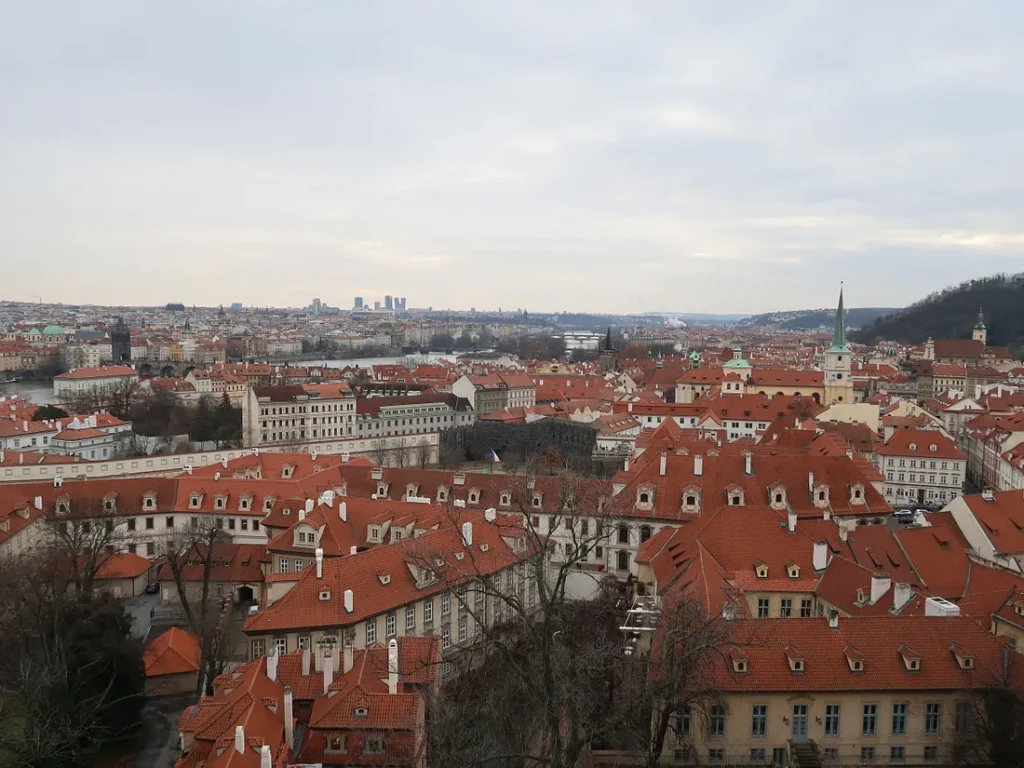
One of the main reasons Prague feels so historically immersive is that it escaped the widespread destruction that reshaped many European cities during the 20th century. While wars devastated urban centers across the continent, Prague’s core remained largely intact. As a result, entire neighborhoods retain their original medieval layouts, Renaissance houses, and Baroque churches. Rather than rebuilding from scratch, the city evolved layer by layer, allowing different eras to coexist in visible harmony.
Architecture That Tells Stories at Every Turn
Prague’s architecture is remarkably diverse, yet cohesive. Romanesque rotundas, Gothic cathedrals, Renaissance palaces, Baroque domes, Art Nouveau buildings, and Cubist facades stand within walking distance of one another. Each style reflects a chapter of the city’s history, from the Holy Roman Empire to the Austro-Hungarian era.
The Charles Bridge, lined with statues weathered by centuries of footsteps, is not simply a landmark—it is a functioning artery of daily life. Prague Castle, one of the largest castle complexes in the world, overlooks the city not as a relic but as an active symbol of national identity. In Prague, history is not framed behind glass; it surrounds you.
Streets Designed for Walking Through Time
Modern urban planning often prioritizes cars and efficiency, but Prague remains deeply human in scale. Narrow lanes, hidden courtyards, and irregular street patterns encourage slow exploration. Wandering without a map often leads to unexpected discoveries—an ancient synagogue tucked behind shops, a medieval clocktower rising above a busy square, or a quiet garden concealed behind ornate gates.
This walkable intimacy allows visitors and residents alike to experience the city gradually, absorbing its details rather than rushing past them. It’s this sense of unhurried discovery that makes Prague feel timeless.
Living Traditions in Everyday Life
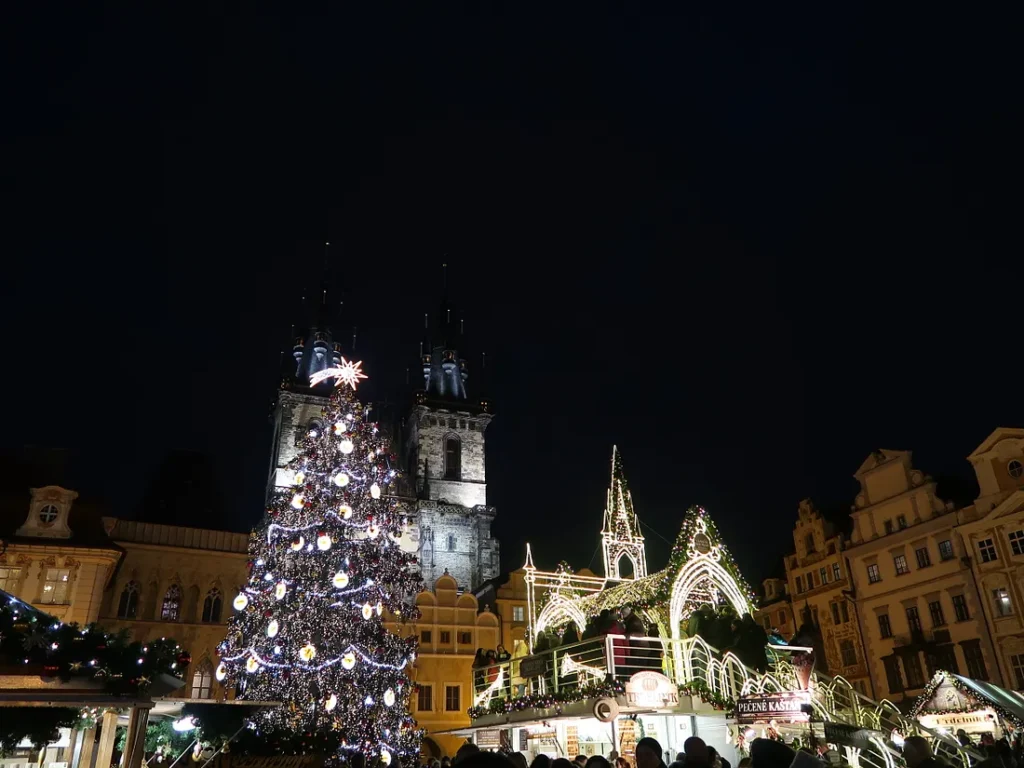
What truly sets Prague apart from a conventional museum is that its historic spaces are alive. Churches host concerts, centuries-old beer halls serve locals and tourists side by side, and town squares remain gathering places rather than frozen exhibits. Classical music drifts from historic halls, while puppetry, folklore, and seasonal festivals continue traditions passed down through generations.
Czech beer culture itself is a form of living heritage. Many breweries and pubs have operated for hundreds of years, maintaining recipes, rituals, and communal atmospheres that reflect the city’s social history.
Layers of Political and Cultural Memory
Prague’s “museum-like” quality also comes from its role as a witness to major historical shifts. From medieval kingdoms and religious reformations to Nazi occupation and communist rule, the city has absorbed profound political changes without losing its architectural soul. Monuments, plaques, and preserved buildings quietly tell stories of resistance, resilience, and transformation.
The Velvet Revolution of 1989, which marked the peaceful end of communist rule, unfolded in the same squares where medieval markets once thrived. This continuity reinforces the feeling that Prague is not just preserving history—it is actively carrying it forward.
Preservation Without Sterility
Unlike cities that feel overly curated, Prague manages to protect its heritage without turning into a theme park. Daily life unfolds naturally within historic settings. Trams rattle past Gothic towers, students gather beneath centuries-old arches, and residents shop in buildings older than many countries.
Strict preservation laws have helped maintain architectural integrity, but it’s the city’s lived-in atmosphere that prevents it from feeling staged. History here is functional, not fossilized.
A City That Invites Reflection
Prague’s beauty is not loud or flashy; it unfolds slowly. The city encourages reflection, whether through the quiet elegance of its architecture or the weight of its historical narratives. Every stone seems to hold a memory, every street a story.
Final Thoughts
Prague feels like a living museum because it refuses to separate past from present. Its streets, buildings, traditions, and people exist in constant dialogue with history. Rather than preserving its heritage behind walls, the city allows it to breathe, evolve, and remain part of everyday life. In Prague, history isn’t something you visit—it’s something you walk through, live alongside, and carry with you long after you leave.