


Rising from the landscape like a frozen waterfall, Pamukkale is one of Turkey’s most breathtaking natural wonders. Known as the “Cotton Castle”, this UNESCO World Heritage Site captivates travelers with its glowing white terraces, mineral-rich thermal waters, and fascinating ancient history. More than just a photogenic destination, Pamukkale offers a rare blend of nature, wellness, and archaeology that feels almost unreal.
What Makes Pamukkale So Unique?
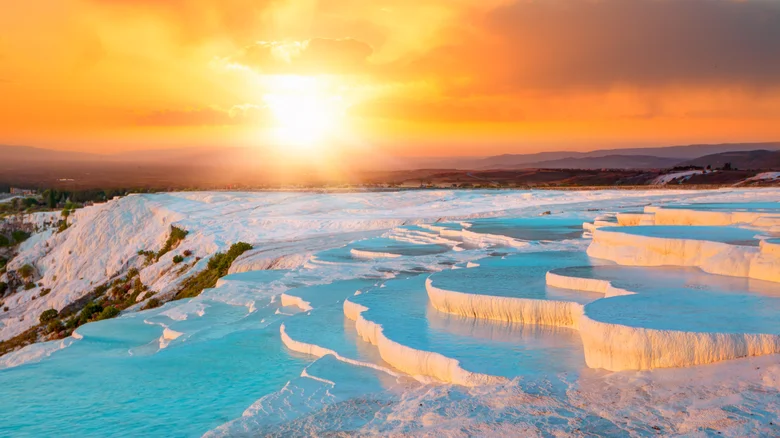
Pamukkale’s iconic appearance comes from travertine terraces formed over thousands of years. Warm, calcium-rich thermal waters flow down the mountainside, leaving behind chalk-white mineral deposits as they cool. The result is a cascading series of shallow pools that shimmer under the sun, creating a dreamlike landscape unlike anywhere else on Earth.
Walking barefoot across these terraces—required to protect the fragile formations—feels like stepping onto soft stone clouds filled with turquoise water. It’s a sensory experience that blends visual beauty with natural warmth.
A Natural Spa Since Ancient Times
Pamukkale’s thermal waters aren’t just beautiful; they’ve been prized for their healing properties for centuries. Rich in minerals like calcium, magnesium, and bicarbonate, the waters are believed to help with circulation, skin conditions, and relaxation.
This reputation attracted ancient civilizations, leading to the founding of Hierapolis, a Greco-Roman city built directly above the terraces. For centuries, people traveled here seeking health, renewal, and spiritual well-being—much like modern wellness travelers today.
Exploring the Ruins of Hierapolis
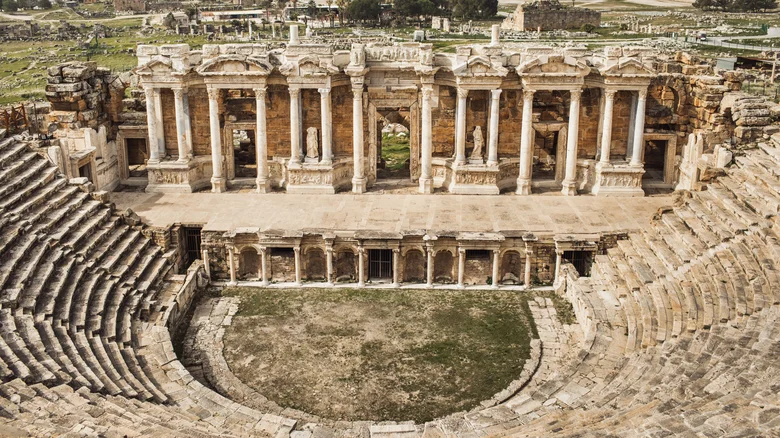
Above the white terraces lie the remarkably preserved ruins of Hierapolis, adding historical depth to Pamukkale’s natural beauty. Visitors can explore ancient streets, temples, gates, and one of the largest necropolises in Anatolia.
Highlights include the Roman theater, dramatically positioned with panoramic views, and the Temple of Apollo, once a spiritual center. Walking through these ruins offers a powerful contrast—timeless stone structures overlooking soft, flowing mineral pools.
Cleopatra’s Pool: Swim Through History
One of Pamukkale’s most famous attractions is Cleopatra’s Pool, a thermal pool filled with warm, crystal-clear water and submerged ancient columns. Legend suggests that Cleopatra herself once bathed here, though history remains delightfully vague.
Swimming in this pool is a unique experience—floating among ancient ruins in mineral-rich water that maintains a comfortable temperature year-round. It’s a rare chance to combine history, relaxation, and luxury in one setting.
Best Time to Visit Pamukkale
The ideal time to visit Pamukkale is during spring (April–June) and autumn (September–October), when temperatures are pleasant and crowds are lighter. Summer can be very hot, while winter offers fewer visitors but cooler conditions.
Early morning or late afternoon visits are especially magical, as the terraces glow softly under golden light—perfect for photography and a calmer experience.
Responsible Tourism and Preservation
Due to its popularity, Pamukkale has faced challenges related to environmental preservation. Today, strict conservation measures are in place. Visitors must remove shoes, follow designated paths, and respect water flow regulations.
These efforts ensure that Pamukkale remains protected for future generations while still allowing travelers to experience its magic responsibly.
How to Get There
Pamukkale is located near the town of Denizli, which is easily accessible by flight, train, or bus from major Turkish cities. From Denizli, Pamukkale is just a short drive away, making it a convenient stop on a broader Turkey itinerary.
Many travelers combine Pamukkale with visits to Ephesus, Cappadocia, or the Turquoise Coast for a well-rounded journey.
Why Pamukkale Belongs on Every Travel List
Pamukkale isn’t just a destination—it’s an experience that feels both surreal and grounding. Few places in the world offer such a harmonious mix of natural wonder, ancient history, and wellness. Whether you come for the views, the healing waters, or the timeless ruins, Pamukkale leaves a lasting impression that goes far beyond photographs.
Final Thoughts
Pamukkale stands as a reminder of nature’s quiet artistry and humanity’s long relationship with healing landscapes. Its luminous terraces, ancient stories, and tranquil atmosphere make it one of Turkey’s most unforgettable treasures. For travelers seeking something truly extraordinary, the Cotton Castle is not just worth visiting—it’s impossible to forget.