

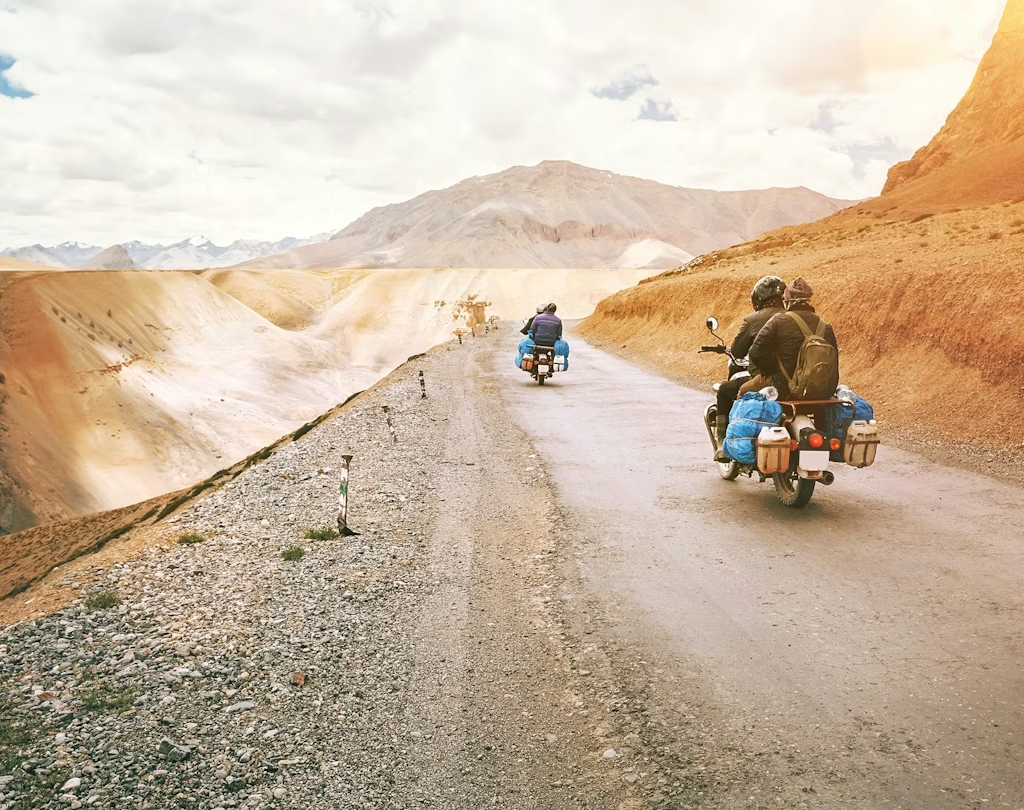
Road trips represent one of the most liberating forms of travel. Unlike fixed itineraries and tight schedules, road travel offers flexibility, spontaneity, and the thrill of the open road. From winding coastal highways to quiet countryside lanes, road trips transform the journey itself into the main experience, allowing travelers to discover places and moments they might otherwise miss.
One of the greatest appeals of road trip travel is freedom of movement. Travelers can decide when to stop, where to explore, and how long to stay. A scenic viewpoint, a small town café, or a hidden waterfall can instantly become part of the journey. This freedom creates a sense of adventure and control that many travelers find deeply satisfying.
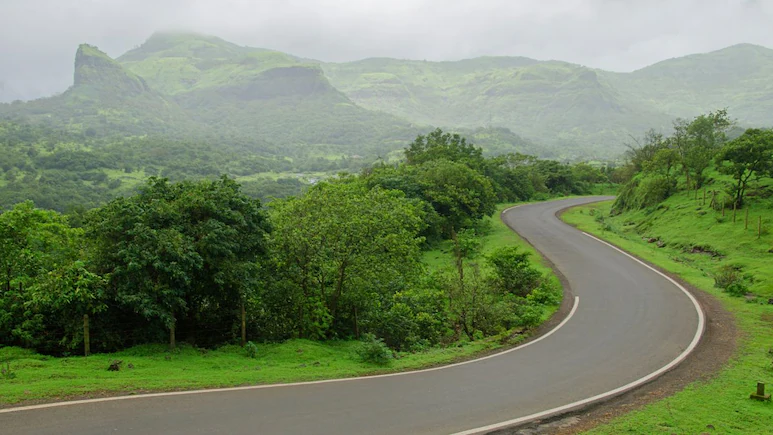
Road trips are ideal for exploring destinations at a slower, more immersive pace. Instead of flying between major cities, travelers experience gradual changes in landscapes, culture, and atmosphere. Watching terrain shift from urban skylines to open fields or mountains helps build a stronger connection to the places passed along the way. Each mile adds context and story to the journey.
Traveling by road also encourages meaningful connections. Small towns and roadside stops often reveal local culture in its most authentic form. Family-run diners, local markets, and roadside attractions reflect regional character and hospitality. Conversations with locals frequently lead to recommendations that aren’t found in guidebooks, making the journey more personal and memorable.
Road trips are highly adaptable and suit different travel styles. Solo travelers enjoy introspection and independence, couples appreciate shared discovery, and families benefit from flexible pacing. Group road trips strengthen bonds through shared planning, music playlists, and spontaneous decisions. The car becomes a moving space of connection, laughter, and storytelling.
Nature plays a central role in many road trip adventures. Scenic routes pass through mountains, deserts, forests, coastlines, and national parks, offering constant visual inspiration. Stopping to hike, picnic, or simply admire views adds depth to the experience. These moments of pause allow travelers to appreciate the beauty of their surroundings rather than rushing past them.
Budget flexibility is another advantage of road trip travel. Travelers can control expenses by choosing accommodation styles, meal options, and route lengths. Staying in budget-friendly motels, camping, or self-catering helps manage costs while still enjoying rich experiences. This flexibility makes road trips accessible to a wide range of travelers.
Planning is important, but road trips thrive on balanced preparation. Mapping key routes, understanding distances, and checking vehicle readiness ensure safety and comfort. At the same time, leaving room for detours and unplanned stops keeps the journey exciting. The best road trips often include moments that were never part of the original plan.
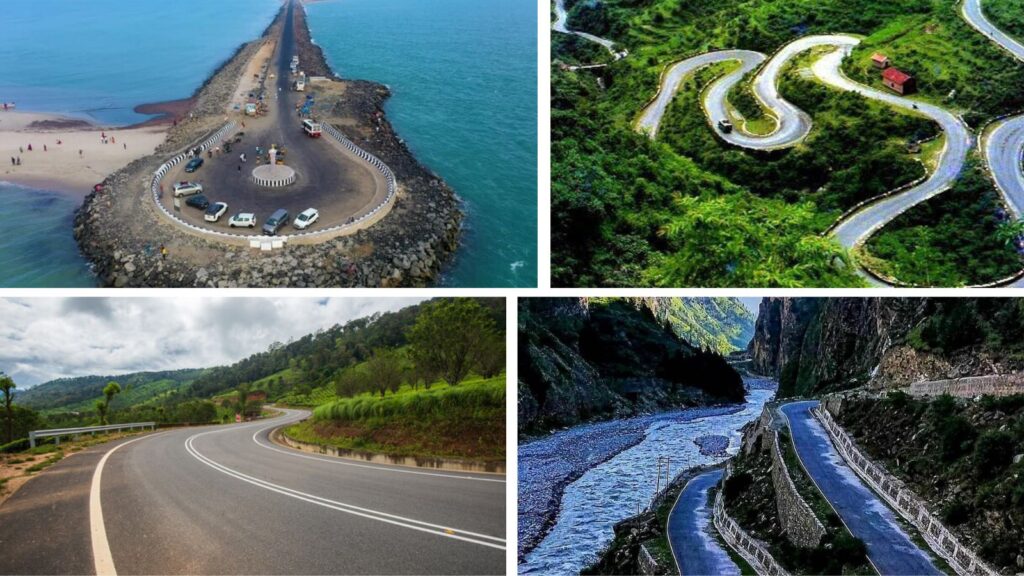
Road trips also encourage mindfulness and presence. Long drives, music, conversations, and changing scenery create a rhythm that allows travelers to disconnect from daily stress. Without constant schedules, there is space for reflection, creativity, and appreciation of small moments—sunsets, quiet roads, and shared silences.
In a fast-paced travel world, road trips remind us that travel is not just about destinations. It’s about the experiences along the way—the stories collected, the people met, and the freedom felt on open roads. Road trip travel celebrates curiosity, flexibility, and discovery, proving that sometimes the most meaningful journeys are measured not in miles, but in memories.