



Rich in tradition, color, and flavor, Oaxaca City is a destination that captures the soul of southern Mexico. Surrounded by mountains and shaped by Indigenous heritage, colonial history, and artistic expression, Oaxaca offers travelers a deeply cultural experience that feels both vibrant and grounded. For those seeking a destination where history lives in everyday life, Oaxaca City is a place of discovery and connection.
One of Oaxaca’s greatest strengths is its strong Indigenous identity. The region is home to diverse communities whose languages, customs, and traditions continue to thrive. This cultural presence is visible in daily life—from traditional clothing worn in markets to centuries-old festivals celebrated with pride. Travelers quickly sense that Oaxaca’s culture is not preserved for display; it is lived and honored.
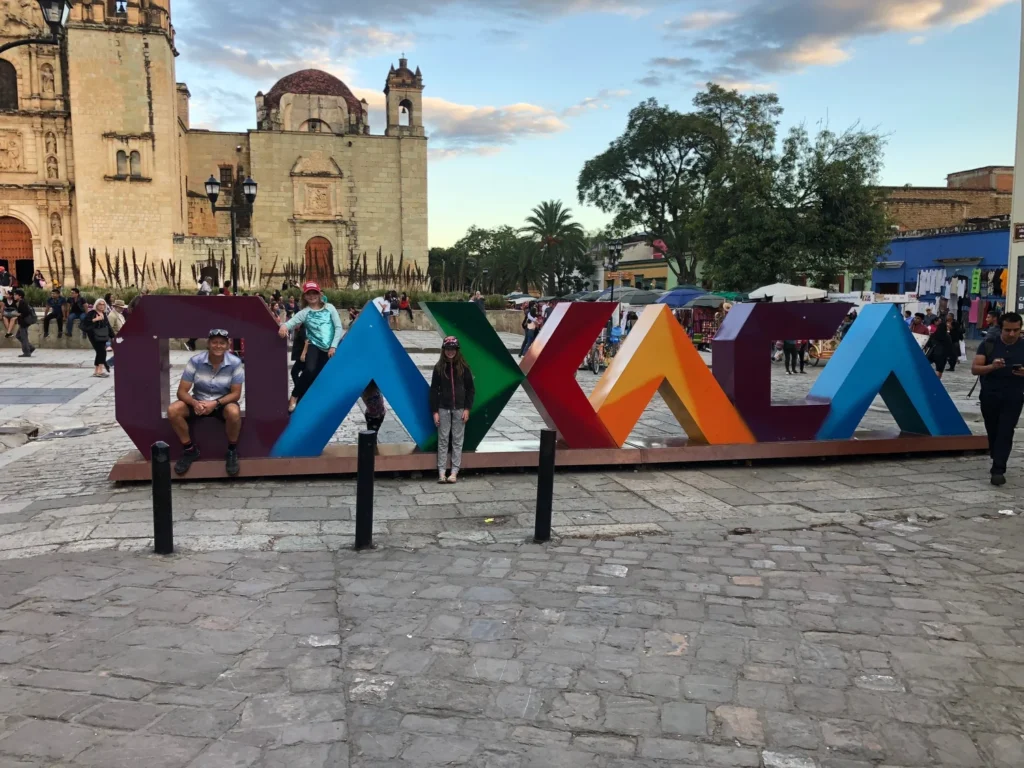
The historic center of Oaxaca City, a UNESCO World Heritage site, is an ideal starting point. Cobblestone streets, colorful buildings, and lively plazas create a welcoming atmosphere. At the center stands the Templo de Santo Domingo de Guzmán, a stunning example of baroque architecture. The surrounding gardens and museums add depth, offering insight into the region’s religious, artistic, and historical roots.
Markets are at the heart of Oaxaca’s cultural life. Benito Juárez Market and Mercado 20 de Noviembre are filled with local produce, handmade goods, and regional specialties. Walking through these markets is a sensory experience—aromas of spices and grilled corn, vibrant displays of textiles, and the sound of friendly conversations. Markets are also places of social connection, where locals gather as much to talk as to shop.
Oaxaca is internationally celebrated for its cuisine, often considered one of Mexico’s richest culinary regions. Food here is deeply tied to tradition and local ingredients. Dishes like mole, tlayudas, and tamales reflect generations of culinary knowledge. Travelers can enjoy everything from street food stalls to family-run restaurants, each offering a different interpretation of regional flavors. Cooking classes and food tours provide a deeper understanding of the stories behind the dishes.
Art and craftsmanship are woven into Oaxaca’s identity. The city is known for its vibrant arts scene, including painting, weaving, pottery, and wood carving. Alebrijes—colorful, hand-carved figures—are a symbol of Oaxacan creativity. Visiting artisan workshops allows travelers to see how skills are passed down through families, preserving techniques while encouraging innovation.
Festivals bring Oaxaca’s culture to life in unforgettable ways. Celebrations such as Guelaguetza showcase traditional music, dance, and clothing from across the region. These events emphasize community, generosity, and cultural pride. Travelers who attend festivals experience Oaxaca at its most joyful and expressive, gaining insight into the values that unite its people.
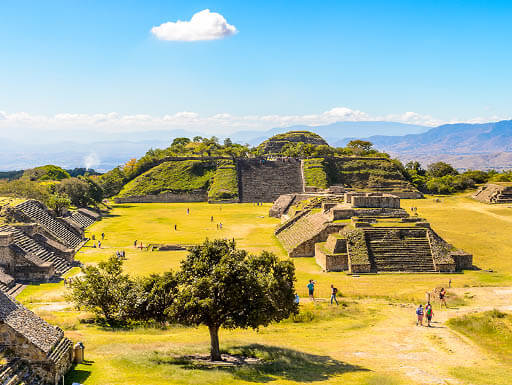
Beyond the city, Oaxaca offers remarkable archaeological and natural sites. Monte Albán, an ancient Zapotec city perched on a hilltop, provides sweeping views and a glimpse into pre-Hispanic civilization. Nearby villages, valleys, and mountains invite exploration, revealing rural traditions, mezcal production, and stunning landscapes. Day trips from Oaxaca City add richness and contrast to any visit.
What makes Oaxaca especially memorable is its sense of warmth and authenticity. Locals are often eager to share stories, explain traditions, and welcome visitors with genuine hospitality. This openness creates meaningful interactions that go beyond tourism, allowing travelers to feel like participants rather than observers.
Oaxaca City is not a destination to rush. It rewards slow exploration, curiosity, and respect. Whether through food, art, history, or everyday life, the city invites travelers to engage deeply and thoughtfully.
For those seeking a destination that offers cultural depth, creative energy, and a strong sense of place, Oaxaca City stands out. It is a journey into living tradition—one that leaves travelers enriched, inspired, and eager to return.