


As modern life becomes increasingly fast-paced and stressful, more travelers are turning to wellness travel as a way to restore balance and well-being. Wellness travel goes beyond traditional vacations by focusing on physical health, mental clarity, and emotional renewal. Whether it’s a quiet retreat in nature or a mindful escape centered on self-care, this style of travel encourages travelers to return home feeling truly refreshed.
At the heart of wellness travel is intentionality. Instead of packed sightseeing schedules, wellness-focused trips prioritize rest, reflection, and nourishment. Destinations are often chosen for their calming environments—mountains, beaches, forests, or countryside retreats—where nature plays a key role in healing and relaxation. These settings naturally promote slower living and deeper connection with oneself.

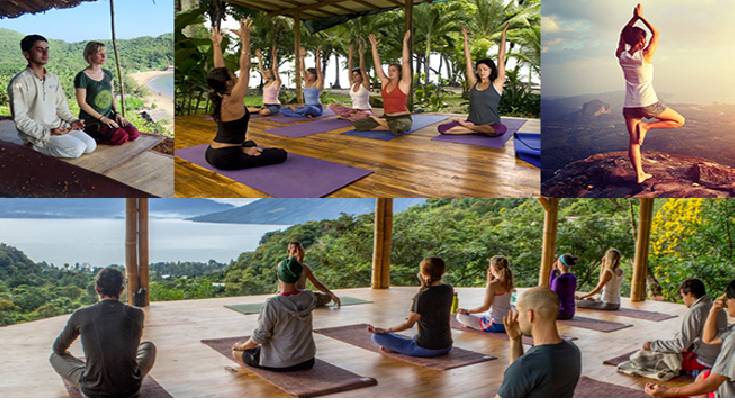
Many wellness journeys include activities such as yoga, meditation, breathwork, and gentle movement. Practicing these in serene surroundings enhances their benefits, allowing travelers to fully disconnect from daily stressors. Guided sessions led by experienced instructors help beginners feel comfortable while offering advanced practitioners a chance to deepen their practice. These moments of stillness and focus often become the most valuable part of the trip.
Nutrition is another essential element of wellness travel. Many retreats and wellness-focused destinations emphasize wholesome, nourishing meals made with fresh, locally sourced ingredients. Eating mindfully and learning about balanced nutrition supports both physical health and mental clarity. For some travelers, wellness trips introduce healthier eating habits that continue long after the journey ends.
Wellness travel also embraces mental and emotional well-being. Digital detoxes, journaling sessions, sound healing, and nature immersion encourage travelers to slow down and reconnect with themselves. Stepping away from constant notifications and responsibilities creates space for introspection and emotional release. This break from routine can lead to improved focus, reduced anxiety, and a renewed sense of purpose.
Cultural elements often blend seamlessly into wellness experiences. Traditional healing practices, local rituals, and indigenous therapies offer unique insights into how different cultures approach health and balance. From ancient spa traditions to herbal treatments passed down through generations, these experiences add depth and authenticity to wellness journeys.
One of the greatest strengths of wellness travel is its adaptability. It suits solo travelers seeking solitude, couples looking to reconnect, and groups wanting shared relaxation. Wellness experiences can be as simple or structured as desired, ranging from luxury spa resorts to budget-friendly retreats and nature-based escapes. This flexibility makes wellness travel accessible to a wide audience.
Sustainability and mindfulness often go hand in hand in wellness travel. Many wellness-focused properties prioritize eco-friendly practices, such as reducing waste, conserving energy, and supporting local communities. Travelers are encouraged to be mindful not only of their own well-being but also of their impact on the environment and the people they encounter.

Planning a wellness trip begins with identifying personal needs—rest, movement, healing, or inspiration. Choosing the right destination and activities ensures a fulfilling experience. Allowing time for rest rather than overplanning helps maintain the core purpose of wellness travel: balance and renewal.
In a world that rarely slows down, wellness travel offers a powerful reminder of the importance of self-care. By traveling with intention and mindfulness, travelers can transform their journeys into opportunities for healing and growth. Wellness travel isn’t just an escape—it’s an investment in a healthier, more balanced way of living.