

Some destinations invite you to sightsee. Patagonia, however, invites you to surrender—to wind, to wilderness, to silence, and to the wild pulse of nature that feels older than time. Stretching through the southern reaches of Chile and Argentina, Patagonia is not a place you simply visit; it is a place that absorbs you, challenges you, and gently rewrites the way you understand vastness.
For many travelers, Patagonia begins as a fantasy inspired by dramatic photographs: jagged mountains slicing the sky, glaciers the color of frozen sapphires, lakes so still they appear painted. But the real magic happens far from postcards—on lonely roads, in unexpected friendships, and in moments where the landscape feels almost impossibly alive.
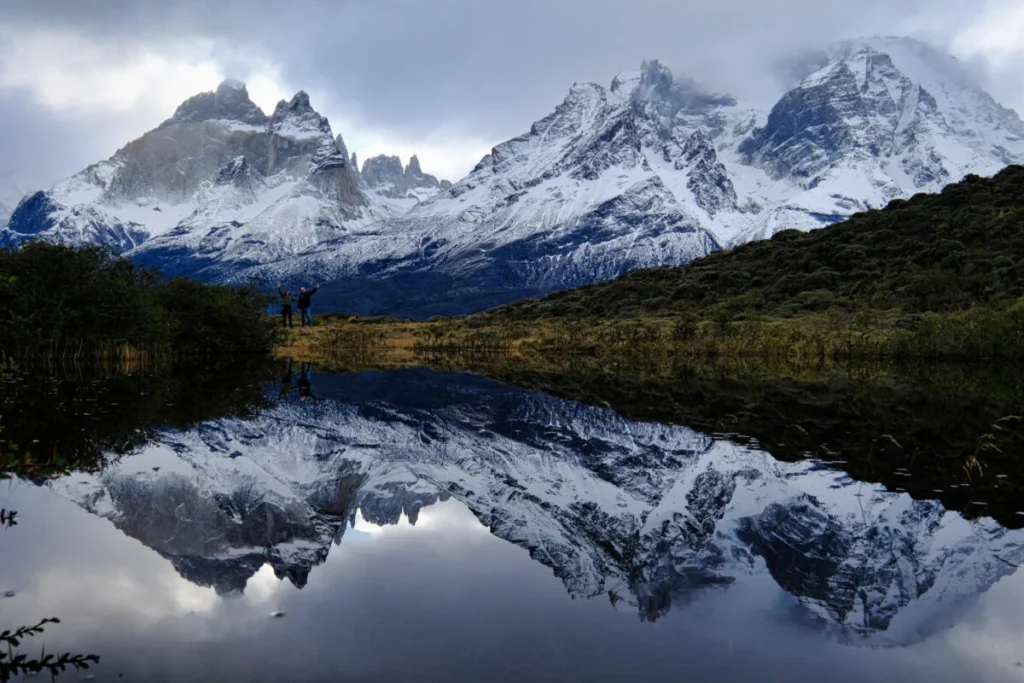
My journey began in El Calafate, a small Argentine town often described as the gateway to the otherworldly Perito Moreno Glacier. At first glance, El Calafate looks unassuming, with wooden lodges and cozy bakeries lining its streets. Yet there’s an undercurrent of excitement, a shared understanding among travelers that they are all on the cusp of experiencing something monumental. And they are right. When you approach Perito Moreno, a cathedral of ice rising nearly 240 feet, it is not the size alone that stuns you—it’s the sound. Ice cracks, shifts, groans, and finally collapses in thunderous roars that echo like storms. Watching chunks break off and plummet into turquoise water is both humbling and strangely soothing, a reminder that nature has its own rhythms.
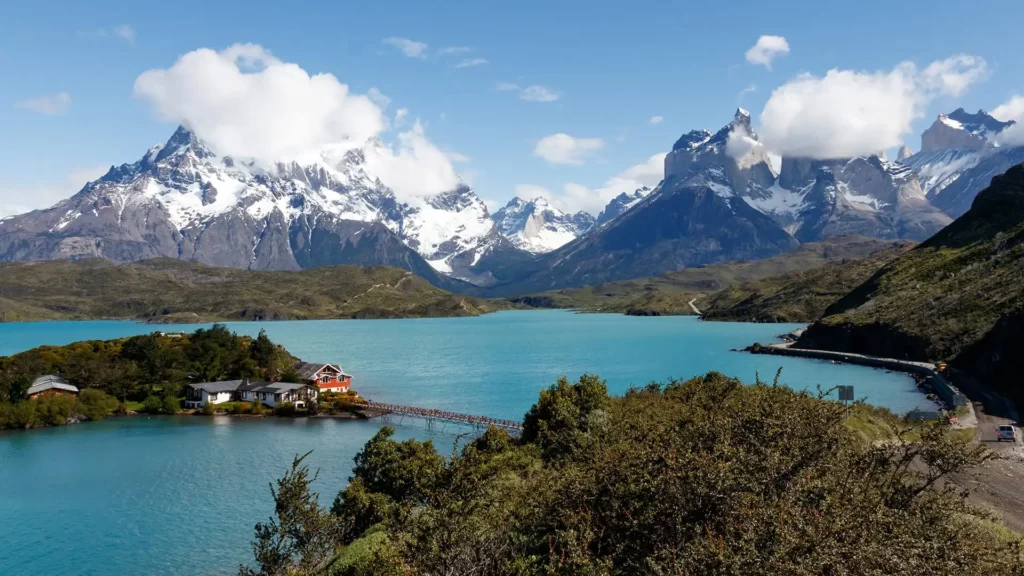
From El Calafate, I crossed into Chile’s Torres del Paine National Park, a wilderness that seems to have been choreographed by forces with an impeccable sense of drama. Granite towers pierce the clouds, guanacos roam golden plains, and glacial rivers rush with relentless power. The infamous Patagonian wind is always present—pushing, whistling, urging you to move forward. Locals joke that the wind is a personality in itself: unpredictable, moody, stubborn, and sometimes surprisingly gentle.
I decided to attempt the iconic W Trek, a five-day journey that traces the valleys and ridges of the park. The hike is not simply a physical challenge; it is a conversation with the landscape. One moment you’re surrounded by emerald forests, and the next, you’re walking through barren terrain where the only sound is gravel under your boots. My favorite moment occurred at sunrise at the base of the Torres. After climbing in darkness, I watched the first light strike the towers, turning them shades of fiery orange and soft rose. The whole scene lasted only minutes, but it imprinted itself in memory like a secret meant for those willing to earn it.
Patagonia’s charm extends beyond its wilderness. The region’s warm, grounded culture is its own treasure. In a rustic lodge in Puerto Natales, I met a shepherd who had spent decades traversing the windswept pampas with his dogs. He spoke of the land with affection—its moods, its storms, its quiet joys. He insisted I try calafate berry jam, saying that legend claims anyone who tastes it will surely return to Patagonia. I laughed, but one spoonful of the sweet-tart flavor convinced me the myth might be true.
Further south, in Ushuaia, the world’s southernmost city, the landscape shifts dramatically. Here the Andes plunge into the sea, forming deep channels and fjords. Sailing through the Beagle Channel, I watched penguins waddling along pebbled shores and sea lions lounging on rocky islands, blissfully unbothered by passing boats. The air tasted crisp and wild, the kind of cold that wakes up every sense.
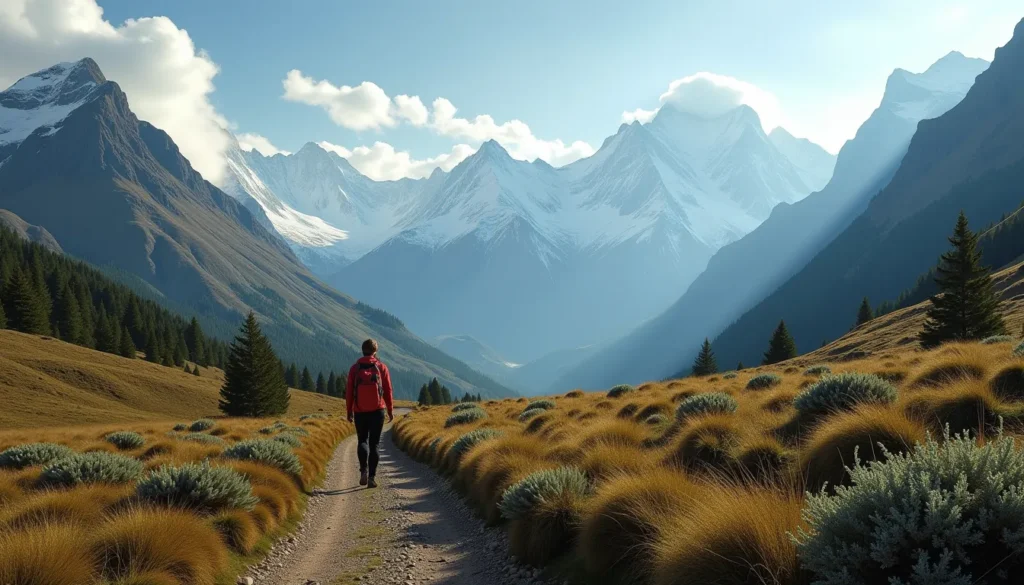
What makes Patagonia unforgettable is not just its beauty but its emotional impact. It forces stillness. It demands presence. It invites reflection. It knows how to quiet all the noise you brought with you. There are few places on Earth where you can stand alone on a trail, feel the wind wrap around you like a living thing, and understand—deeply—that the world is so much bigger and more mysterious than we allow ourselves to remember.
As I boarded my flight home, I realized Patagonia hadn’t just been a destination; it had been a lesson in wonder. And like many travelers before me, I found myself already planning my return—because once Patagonia whispers to you, you never stop hearing it.