


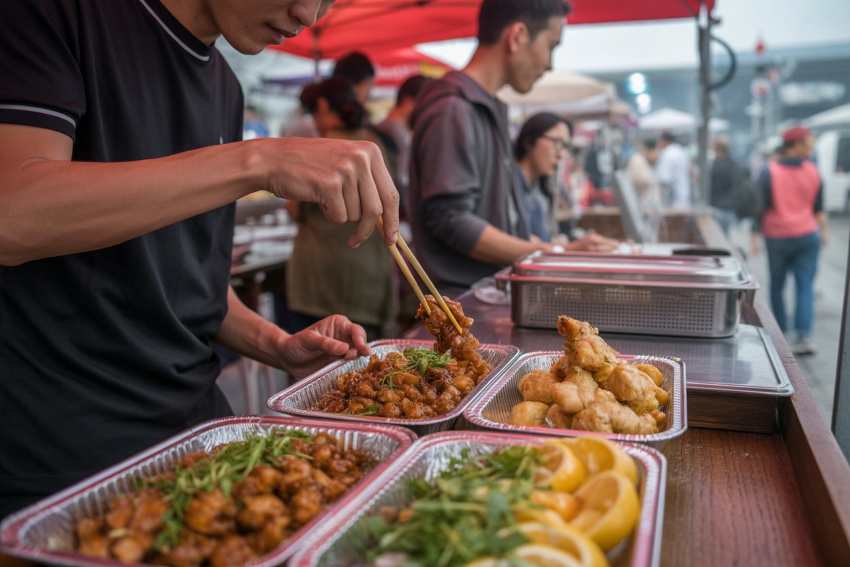
For the past few years, the world watched its beloved street food culture shrink into silence. Markets closed, vendors paused their grills, and the once-lively streets that pulsed with aromas and chatter felt suddenly muted. Today, however, the world’s appetite for open-air eating and culinary discovery is roaring back—street food festivals are returning worldwide, and the revival is nothing short of electric. From night markets in Asia to food truck gatherings in Europe and Latin America’s bustling culinary fairs, a global flavor renaissance is underway.
A Return to the Joy of Gathering
The renewed popularity of street food festivals isn’t just about food; it’s about the joy of gathering. People have missed the sensory overload these festivals bring—the sizzling pans, music blending with laughter, the thrill of discovering a new favorite dish, and the spontaneous conversations that arise between strangers standing in the same queue.
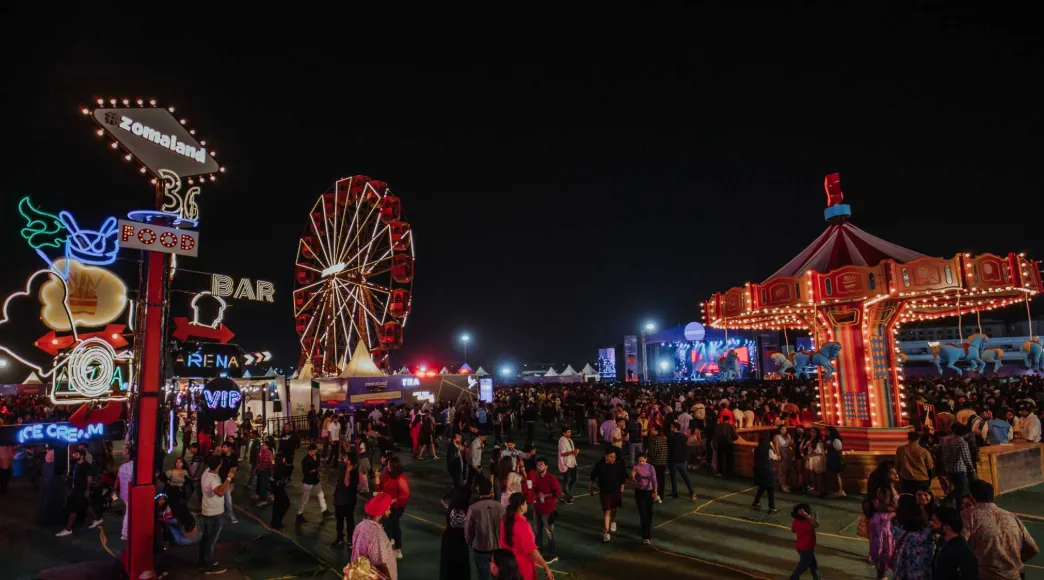
Communities are craving connection, and street food is one of the easiest, most joyful ways to bring everyone back together. Cities worldwide are recognizing this cultural power and are pouring resources into reviving their open-air culinary scenes, often with improved organization, safety measures, and sustainable practices.
Asia’s Night Markets Shine Again
Across Asia, night markets—long considered cultural treasures—are experiencing a vibrant rebirth. In cities like Taipei, Bangkok, and Kuala Lumpur, vendors are returning with renewed creativity and fresh twists on classic staples. Stalls serving charcoal-grilled squid, bubble tea innovations, and reinvented bao buns are drawing both locals and tourists who have long awaited the return of these lively food hubs.
These markets are also embracing digital convenience. QR menus, cashless payments, and app-based maps that highlight food stalls are enhancing the experience without losing the charm of traditional flavors. The result is a perfect blend of old-world authenticity and modern efficiency.
Europe’s Food Truck Renaissance
European cities are celebrating the comeback of street food in their own unique style—through curated food truck festivals that feel both artisanal and cosmopolitan. In places like Berlin, Lisbon, and London, food truck parks and weekend festivals are attracting massive crowds eager to explore diverse flavors in one space.
Many European food trucks now emphasize fusion cuisine: think Portuguese tacos with piri-piri chicken, Turkish-inspired flatbreads with Mediterranean toppings, or vegan burgers topped with kimchi. Local chefs, affected by restaurant closures in recent years, are using food trucks as a low-barrier entry to reintroduce their talents to the public—and people are loving the creativity.
Sustainability is a growing focus as well. Reusable container programs, solar-powered trucks, and zero-waste initiatives are becoming standard features, aligning modern environmental values with delicious street food indulgence.
The Americas Bring Festive Energy Back
Across North and South America, street food festivals have returned with signature exuberance. Cities like Los Angeles, Mexico City, São Paulo, and Montreal are seeing skyrocketing attendance at open-air food events. These gatherings celebrate both traditional street cuisines—tamales, empanadas, tacos, grilled corn—and innovative new concepts emerging from younger chefs exploring cross-cultural mashups.
In the United States, multicultural food festivals are particularly booming. Communities are using street food gatherings as cultural education hubs, where food becomes a storytelling tool. Locations host mini cooking workshops, chef battles, and tasting tours to highlight heritage recipes. The trend is turning local parks and city squares into vibrant culinary classrooms.
A New Wave of Global Flavor Tourism
With travel bouncing back, some destinations are leaning into street food as a major tourism draw. Many travelers now plan trips specifically around food festivals, using them as gateways to explore local traditions. Whether it’s sampling bánh mì at a Vietnamese night fair or trying artisan gelato at an Italian street festival, experiential eating has become a defining element of modern travel.
Tourism boards and event organizers are capitalizing on this demand, creating annual street food calendars and promotional campaigns designed to spotlight the unique identities of regional cuisines. Food festivals are not only bringing locals together—they’re putting cities back on the global map.
The Heart of the Revival: The Vendors Themselves
Perhaps the most inspiring part of this revival is seeing longtime street vendors return to their stalls with renewed passion. Many faced immense challenges but persisted through creativity, community support, and sheer determination. Their return symbolizes resilience—and audiences understand this deeply.

Street food festivals today feel like celebrations of both flavor and human perseverance.
A Delicious Future Ahead
With global enthusiasm at an all-time high, the future of street food festivals looks brighter than ever. Expect more cultural mashups, sustainability initiatives, digital tools, and immersive experiences woven into these beloved events.
For now, the world seems united around one joyful truth: there is nothing quite like standing under open skies, holding a warm plate of freshly prepared street food, and sharing the moment with people from every corner of life.