

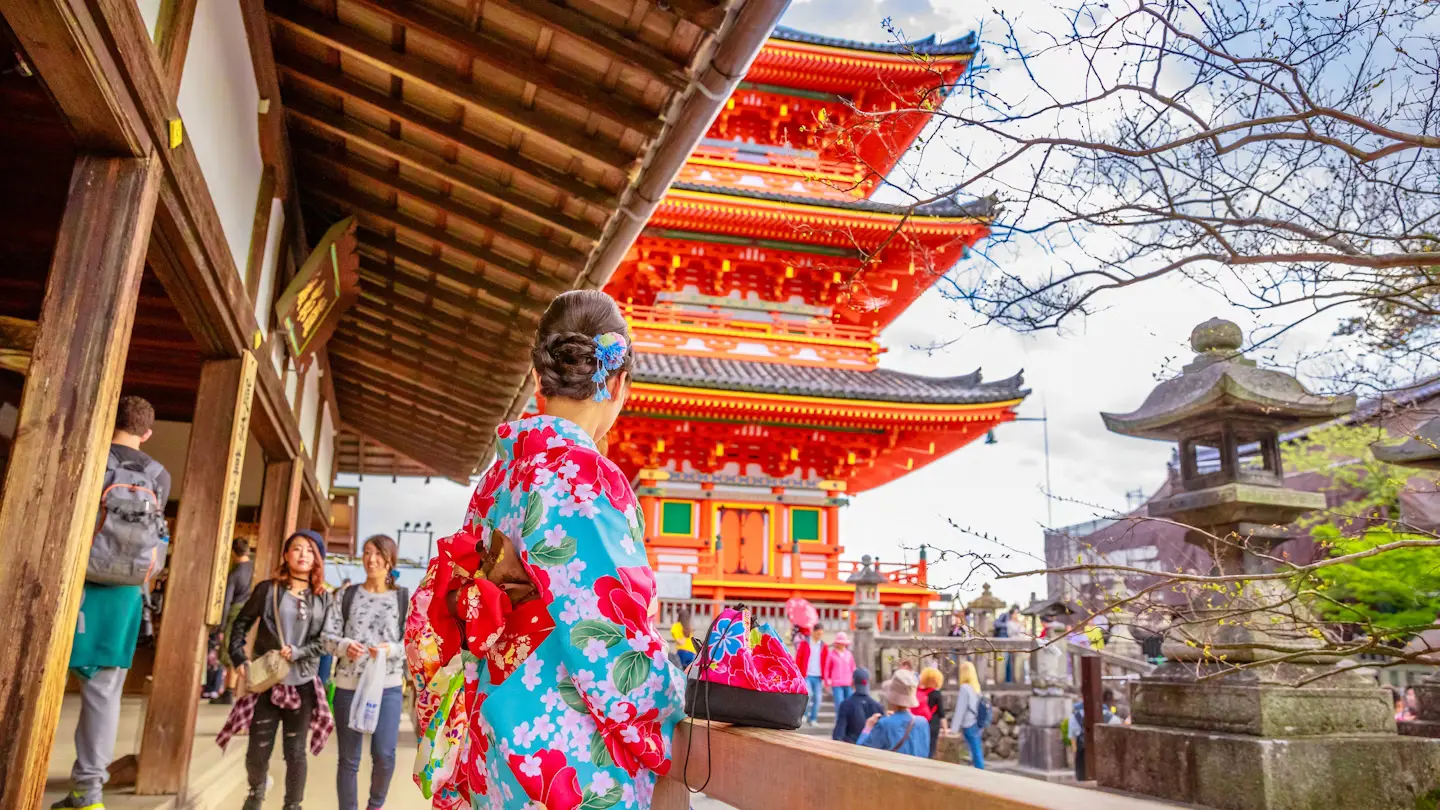
There are cities that move at the pace of ambition — and then there’s Kyoto, which moves at the rhythm of reflection. Once the imperial capital of Japan for over a thousand years, Kyoto is a place where time feels suspended, where shrines whisper through the pines and every gust of wind seems to carry the scent of incense and cherry blossoms.
My first morning began at Kinkaku-ji, the Golden Pavilion. Set beside a still pond, its gold-leaf exterior shimmered like fire against a backdrop of deep green trees. As clouds drifted across its reflection, the temple seemed to breathe. Around me, monks moved silently, and visitors lowered their voices to a respectful hush. Kyoto teaches you stillness — not as absence, but as presence.
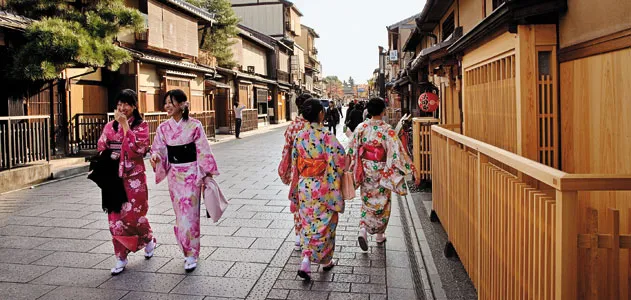
From there, I wandered north through narrow lanes lined with wooden machiya houses — traditional townhouses with latticed facades and paper windows. Behind one, a small shop sold handmade fans painted with cranes and plum blossoms; behind another, an elderly woman tended bonsai trees that had likely outlived generations. Everything in Kyoto feels deliberate, composed — as if beauty is both a practice and a belief.
Next came Arashiyama, on the city’s western edge, where bamboo forests rise like pillars of jade. Walking through them is like stepping into a dream — the air cools, the sound of the world dims, and the wind hums softly through the hollow stalks. Sunlight filters in stripes, and every step feels reverent. Beyond the bamboo, the Tenryu-ji Temple sits serenely beside its reflecting pond, where koi ripple the surface like living brushstrokes.
By midday, I crossed the Kamo River, where locals picnicked beneath blossoming cherry trees. Spring in Kyoto is a spectacle of petals — pink clouds that drift down like snow, carpeting temple paths and stone bridges. In the Gion District, geisha glide quietly between teahouses, their footsteps whispering across the ancient cobblestones. To see one is to witness living tradition — poised, graceful, and steeped in centuries of ritual.
Lunch was a simple affair: a steaming bowl of ramen in a tucked-away shop, followed by matcha served in a pottery bowl so exquisite I hesitated to touch it. The Japanese art of hospitality, or omotenashi, is everywhere — in the careful pour of tea, the bow of greeting, the subtle warmth in every gesture.
In the afternoon, I visited Fushimi Inari Taisha, the shrine famous for its thousands of vermilion torii gates that wind up the mountain like a flowing river of red. As I climbed, the city fell away, replaced by the rustle of bamboo and the faint clang of bells. Between each gate, sunlight flickered in orange and gold. Somewhere between the climb and the quiet, I felt the same peace that seems to define Kyoto — a dialogue between nature, spirit, and self.
Evening brought a change in mood. Lanterns flickered to life along Pontocho Alley, where narrow walkways are lined with intimate restaurants overlooking the river. The scent of grilled yakitori drifted through the air, mingling with laughter and soft music. I dined on delicate sushi while the city glowed softly outside — modern, yet anchored in its ancient soul.
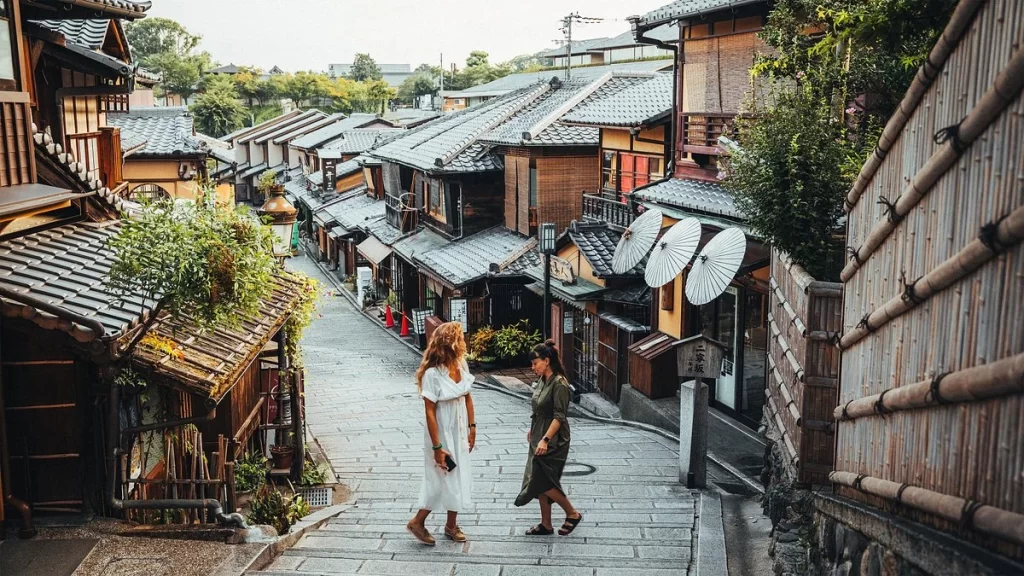
At night, Kyoto becomes poetry. The Higashiyama District, with its gently lit temples and curved rooftops, feels like a scene painted in watercolor. I walked past Yasaka Pagoda, silhouetted against a violet sky, and felt that rare sense of timelessness that travel sometimes grants — when past and present blur, and you realize how brief and beautiful a moment can be.
What makes Kyoto unforgettable isn’t just its temples or gardens; it’s the spirit of harmony that infuses everything. Here, beauty isn’t something to look at — it’s something to live with. Every meal, every garden, every folded paper crane speaks of care, patience, and reverence for life.
When I left the next morning, mist hung low over the city. Bells tolled softly from a distant temple, and for a moment, Kyoto seemed to exhale. I realized then that Kyoto’s grace lies not in grandeur but in quiet endurance — in the way it balances tradition and change, nature and humanity, stillness and time.