

The Amazon is often described as the “lungs of the Earth,” but this vast region is far more than a single forest. Stretching across nine countries in South America, the Amazon basin covers an astonishing 6.7 million square kilometers and contains some of the most diverse ecosystems on the planet. Its landscapes range from endless rainforest canopies to winding rivers, flooded plains, and rugged highlands. To explore the Amazon is to step into a world where nature is at its most powerful, resilient, and awe-inspiring.
The Mighty Amazon River
No exploration of the Amazon’s landscapes can begin without the river itself. The Amazon River is the second longest in the world, flowing more than 6,400 kilometers from the Andes in Peru to the Atlantic Ocean in Brazil. At its widest points during the rainy season, the river can stretch over 40 kilometers across.
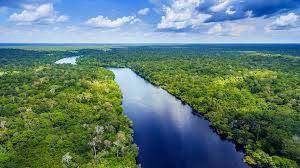
Traveling along its waters offers an entirely different perspective of the rainforest. Villages line the banks, children paddle small canoes, and pink river dolphins glide through the currents. The river is both a lifeline for communities and a highway through one of the most remote regions on Earth.
The Dense Rainforest
The Amazon rainforest is the world’s largest tropical forest, a dense green canopy that shelters an astonishing diversity of life. Over 16,000 tree species and more than 400 billion individual trees form this sprawling ecosystem. The forest is alive with sound: birds calling at dawn, howler monkeys roaring at dusk, and insects humming throughout the night.
Walking through the rainforest reveals layers of life. The canopy soars overhead, but beneath it, understory plants, vines, and fungi thrive in the dim light. This is where jaguars roam silently, sloths dangle from branches, and brightly colored poison dart frogs add splashes of color to the green.
Flooded Forests and Varzea
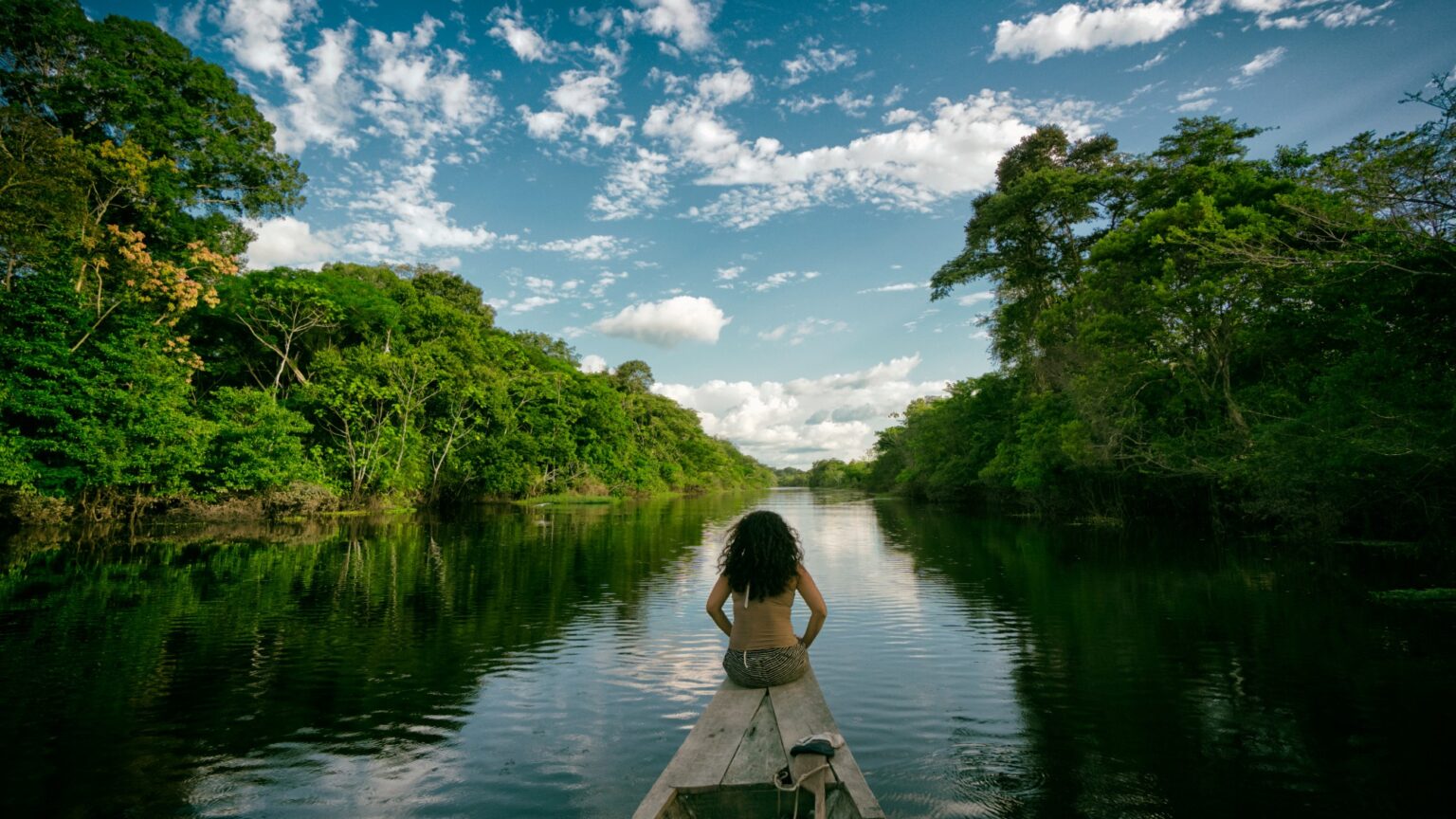
Beyond the dense jungle, the Amazon is home to unique flooded forests, locally called varzea. Each year, heavy rains swell the rivers, submerging vast areas of forest under several meters of water. Far from being destroyed, the forest has adapted to this cycle of flooding. Trees survive months underwater, while fish swim among their trunks, feeding on fallen fruit.
Exploring the varzea by canoe is an unforgettable experience. The still waters reflect the sky, and the forest becomes a surreal, aquatic world. This constantly changing landscape demonstrates the adaptability of life in the Amazon.
The Highlands and Andes Foothills
While most imagine the Amazon as flat jungle, the basin also includes highlands and Andean foothills. These regions, especially in Peru and Ecuador, are where the Amazon River begins as small mountain streams. Here, cloud forests cloak the slopes in mist, orchids bloom in the trees, and waterfalls cascade into valleys.
The highlands are also a transition zone, where species from the Andes mix with lowland rainforest life, creating even greater biodiversity. For trekkers and eco-tourists, these areas offer a mix of mountain scenery and rainforest magic.
The Grasslands and Savannas
On the fringes of the basin, particularly in Brazil’s Roraima state and parts of Venezuela, the Amazon gives way to open savannas and grasslands. These landscapes may not have the dense canopy of the rainforest, but they support their own unique ecosystems, including giant anteaters, maned wolves, and diverse birdlife.
The contrast between open grasslands and dense forest highlights just how varied the Amazon truly is.
A Living Mosaic
The Amazon is not one uniform landscape but a mosaic of environments. From the roaring Amazon River to the silent flooded forests, from the misty highlands to the open savannas, each area tells a story of adaptation and survival. Together, these landscapes form the backbone of one of the most important ecological regions on Earth.

Final Thoughts
Exploring the Amazon’s landscapes is a journey into both beauty and complexity. It’s a reminder that nature does not exist in simple categories but in layers, transitions, and constant change. The Amazon is as much about rivers as forests, as much about floodplains as mountains.
For travelers and nature lovers, the Amazon offers not just scenery but a humbling experience of how diverse and interconnected our planet truly is. To stand within its landscapes is to witness life at its fullest expression.