


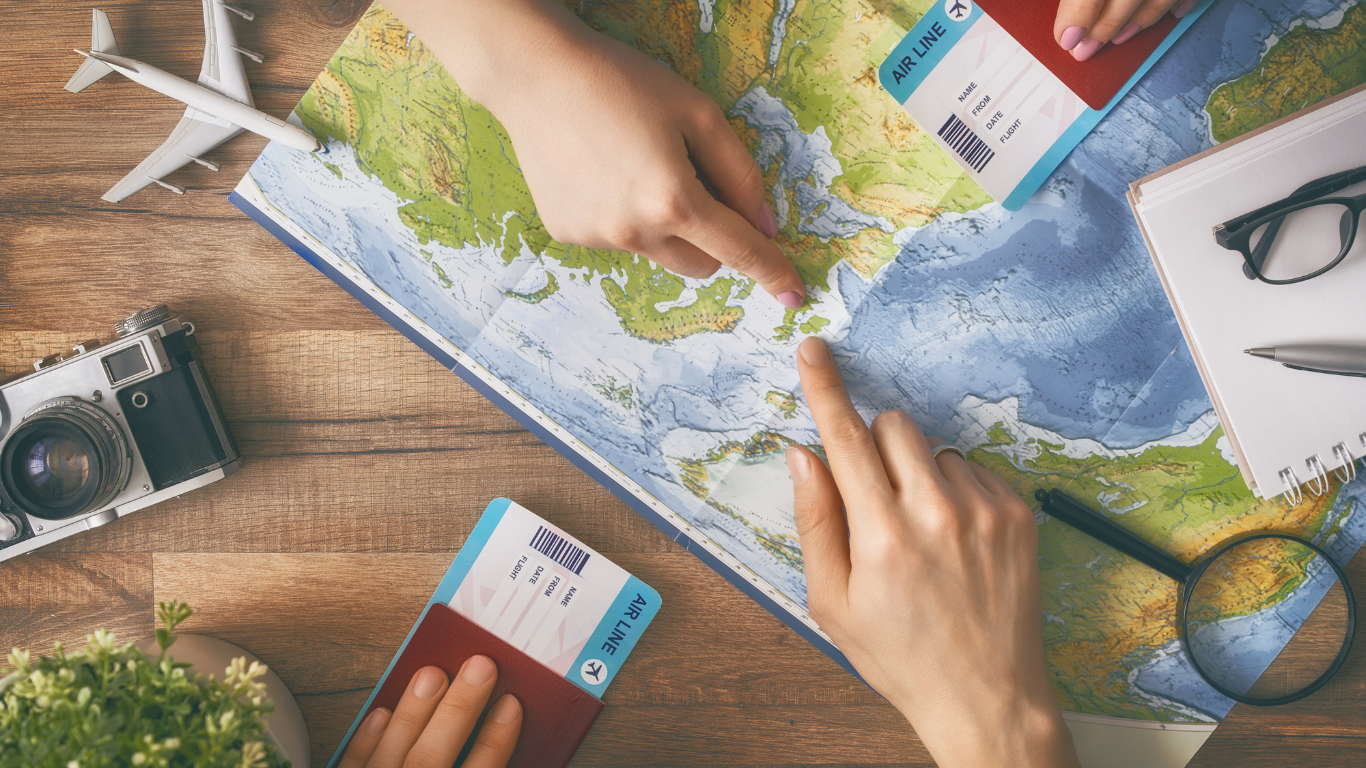
Travel is one of life’s greatest joys. It opens doors to new cultures, experiences, and perspectives, allowing us to step outside of our routines and immerse ourselves in the world. Yet, behind every seamless journey lies thoughtful planning. Whether you are embarking on a weekend getaway or a month-long international adventure, considering certain factors in advance can make all the difference between a stressful trip and a memorable one. Here are ten essential things to keep in mind when you’re traveling.
1. Destination Research

Before packing your bags, take time to research your destination. Learn about its culture, language, traditions, and any local customs you should be aware of. Understanding these nuances not only shows respect but also helps you navigate situations more smoothly. Look up the best time of year to visit, major festivals, and seasonal weather patterns, so you can align your trip with your interests.
2. Budget Planning
Money management is at the core of any successful trip. Set a clear budget that includes flights, accommodation, food, transport, and activities. Don’t forget to account for unexpected costs such as souvenirs, tips, or emergencies. Using travel apps to track expenses can help you stay within your limits and avoid overspending.
3. Travel Documentation
Make sure your passport, visa, and other required documents are valid and up to date. Some destinations require visas that take weeks to process, while others may ask for proof of onward travel or accommodation bookings. It’s also wise to keep both digital and paper copies of your important documents in case of loss.
4. Health and Safety Precautions
Your health is your greatest asset when traveling. Check if vaccinations are required for your destination and carry a small medical kit with essentials such as pain relievers, bandages, and motion-sickness tablets. For safety, read about areas to avoid, emergency contact numbers, and local laws. Travel insurance can provide peace of mind in case of accidents or medical emergencies.
5. Packing Smart
Packing can make or break your travel experience. Aim to pack light by carrying versatile clothing that can be mixed and matched. Always check the weather forecast so you’re prepared for the climate. Don’t forget essentials like adapters, chargers, and toiletries. A good rule of thumb is to pack half the clothes you think you’ll need and twice the money.
6. Accommodation Choices
Where you stay shapes your overall travel experience. Research different options—whether hotels, hostels, vacation rentals, or homestays—to find what suits your budget and style. Consider the location carefully: staying near public transport or central attractions might cost a little more but can save you time and hassle.
7. Local Transportation
Getting around is another important factor. In some cities, public transportation is efficient and affordable, while in others, renting a car or using ride-sharing apps may be more practical. Learn about local transport passes or discount cards in advance, as they can save money and make travel more convenient.
8. Connectivity and Communication
Staying connected is vital, whether for navigation, communication, or sharing your experiences. Research roaming charges or purchase a local SIM card for affordable data. Offline maps and translation apps can be lifesavers when you don’t have internet access. Also, inform family or friends about your itinerary for safety reasons.
9. Cultural Etiquette
Every country has its own social norms. Simple gestures like dressing modestly at religious sites, learning a few basic phrases in the local language, or greeting people appropriately can go a long way in building connections. Observing cultural etiquette not only helps you avoid misunderstandings but also enriches your travel experience.
10. Flexibility and Open-Mindedness

Finally, the most valuable factor to consider is your mindset. Travel rarely goes exactly as planned—flights may be delayed, weather may change, or unexpected opportunities may arise. Embracing flexibility and keeping an open mind allows you to turn setbacks into adventures and truly enjoy the journey.
Conclusion
Traveling is as much about preparation as it is about discovery. By considering these ten factors—destination research, budgeting, documentation, health, packing, accommodation, transportation, connectivity, cultural etiquette, and flexibility—you set yourself up for a smoother, safer, and more rewarding trip. At its heart, travel is about growth, and with thoughtful planning, every journey becomes a chance to create lasting memories.