


From the Arctic tundra of Canada to the steamy rainforests of the Amazon, North and South America are home to some of the planet’s most fascinating and diverse wildlife. These continents span countless ecosystems—mountains, deserts, wetlands, forests, grasslands—and with them come creatures of every size, color, and behavior. Let’s take a journey through the iconic and lesser-known animals that make the Americas a true wildlife wonderland.
? North America: From Forests to Frozen Frontiers
1. Bald Eagle (USA & Canada)
A symbol of freedom and the national bird of the United States, the bald eagle is a powerful raptor found near lakes, rivers, and coastlines. With its piercing yellow eyes and iconic white head, it’s more than a majestic sight—it’s also a conservation success story, having rebounded from near extinction in the 20th century.
2. American Bison (USA)
Once roaming the plains in the millions, the American bison is North America’s largest land mammal. With its massive hump, thick fur, and calm but powerful demeanor, the bison is a living reminder of the Great Plains and Indigenous culture.
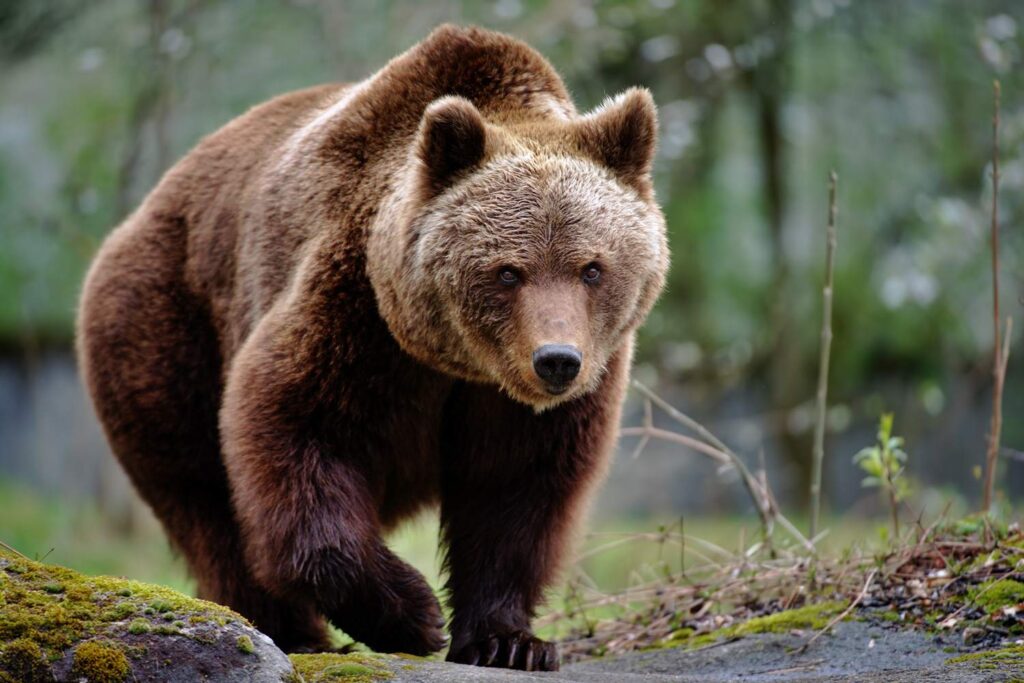
3. Grizzly Bear (Canada & Alaska)
These mighty bears dominate the mountainous regions of western Canada and Alaska. While they can weigh over 600 pounds, grizzlies are surprisingly fast and excellent swimmers. In late summer and fall, they’re often seen gorging on salmon in rushing streams.
4. Gray Wolf (USA, Canada, Mexico)
Highly social and intelligent, the gray wolf once ruled vast stretches of North America. Thanks to reintroduction efforts in places like Yellowstone National Park, wolves are slowly reclaiming their role in balancing ecosystems.
5. Alligator (USA)
Dwelling mostly in the swamps and wetlands of the American South, the American alligator is a modern-day dinosaur. These powerful reptiles can grow up to 15 feet long and are crucial for maintaining wetland habitats.
? South America: A Continent of Color and Rainforest Riches
1. Jaguar (Amazon & Pantanal)
As the largest cat in the Americas, the jaguar is known for its power and beauty. Found mostly in the Amazon Rainforest and the Pantanal wetlands, jaguars are excellent swimmers and prefer dense tropical forests. Their spotted coats help them blend seamlessly with dappled jungle light.
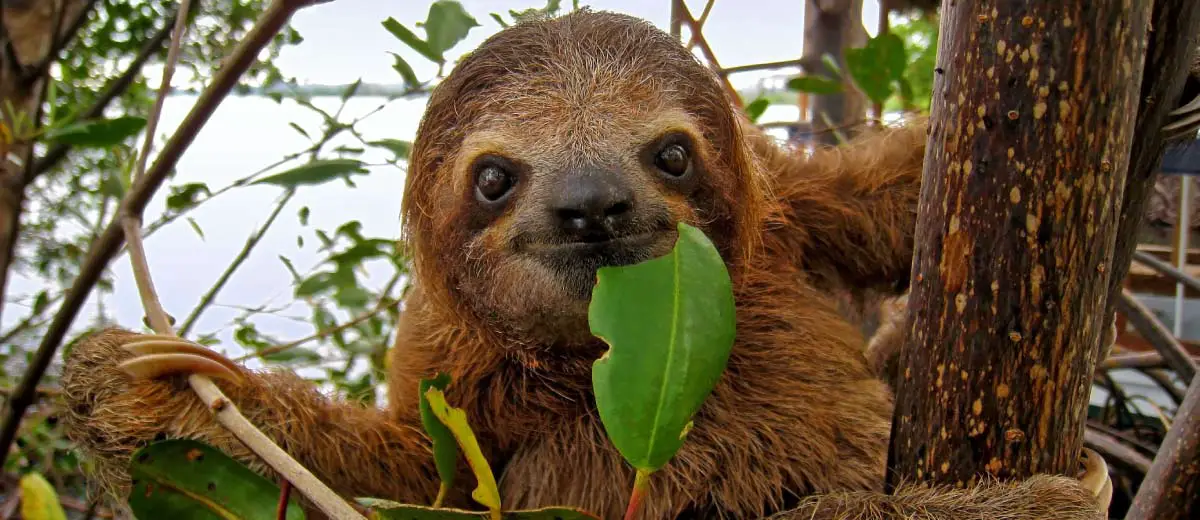
2. Sloth (Amazon Basin & Central America)
Few animals embody the phrase “laid back” like the sloth. With a slow metabolism and a life spent almost entirely in trees, sloths move only when necessary—and always at a leisurely pace. These gentle herbivores are perfectly adapted to life in the canopy.
3. Andean Condor (Andes Mountains)
One of the world’s largest flying birds, the Andean condor is revered in South American culture and mythology. With a wingspan of over 10 feet, it rides thermals over the Andes in search of carrion. Despite its size, it’s threatened by habitat loss and slow reproduction rates.
4. Capybara (Amazon, Venezuela, Brazil)
The capybara is the world’s largest rodent—and one of the most social. Often seen lounging near rivers in groups, these gentle giants are semi-aquatic, often sharing their habitat with birds, crocodilians, and monkeys.
5. Llama (Andes, Peru, Bolivia, Chile)
Domesticated thousands of years ago, the llama is an icon of the high Andes. Strong, wooly, and sure-footed, llamas have served as pack animals for Inca and modern peoples alike. Their relatives—the alpaca, vicuña, and guanaco—are also symbols of Andean culture.
? Shared Species and Migration Marvels
While many animals are unique to their regions, others, like monarch butterflies, humpback whales, and peregrine falcons, migrate between both continents. The monarch’s migration—from Canada to central Mexico—is one of the longest and most incredible insect journeys in the world.
Meanwhile, marine life like sea turtles and whales regularly move along both North and South American coasts, connecting ecosystems and species over thousands of miles.
?? Conservation Challenges
Despite their richness, the Americas face significant threats—deforestation in the Amazon, habitat fragmentation in the U.S., and climate change across all biomes. Many iconic animals are endangered or vulnerable, including the jaguar, condor, and gray wolf. Conservation groups are working to restore wild spaces, protect species, and educate communities.
? Final Thoughts
From the icy Arctic to the dense Amazon, North and South America offer an extraordinary wildlife experience. Whether you’re gazing at a bald eagle in flight or watching capybaras relax in a Brazilian wetland, these creatures reflect the ecological beauty and fragility of our planet. Preserving their habitats means preserving part of our own humanity.