

America is home to some of the most iconic landmarks in the world—think the Grand Canyon, Statue of Liberty, Mount Rushmore, and Yellowstone. But with popularity comes crowds, and nothing kills the magic of a place quite like elbow-to-elbow tourists and long lines. The good news? With a little strategy and timing, you can enjoy these awe-inspiring places without the chaos. Here’s your guide to seeing America’s top landmarks without the crowds.
1. Visit During the Shoulder Seasons
The best times to travel to popular landmarks are during the shoulder seasons—the periods just before and after peak tourist months. This usually means:
- Spring (April–early June)
- Fall (late September–November)
For example, Yellowstone National Park is far less crowded in mid-May or late September than in July. Temperatures are still pleasant, and you’ll have a better chance of spotting wildlife without dozens of people around.
2. Go Early (Really Early)
Early birds don’t just get the worm—they get the view, the photo ops, and the peace. Most tourists arrive between 10 a.m. and 2 p.m., so try visiting just after sunrise. Not only will you beat the crowds, but the morning light often makes for more dramatic and beautiful scenery.
Examples:
- Hike to Delicate Arch in Utah’s Arches National Park at dawn.
- Take the first ferry of the day to the Statue of Liberty.
3. Choose Weekdays Over Weekends
Weekends draw families, school groups, and local tourists. If you can, plan your visits for Tuesday through Thursday, when foot traffic is typically the lightest. Combine this with an early arrival, and you might feel like you have the place to yourself.
4. Explore Lesser-Known Entrances or Routes
Many national parks and landmarks have multiple entrances or routes—some much less busy than others. Do a little research to find these “back doors.”
Examples:
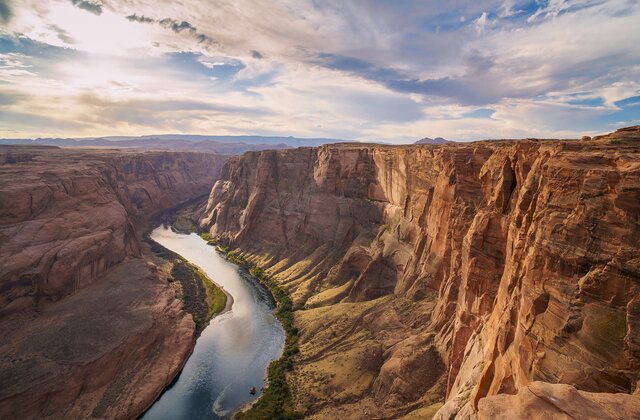
- Grand Canyon: The North Rim sees only about 10% of the traffic the South Rim does.
- Yosemite: Instead of the Yosemite Valley floor, explore Hetch Hetchy or Tioga Road for stunning views and solitude.
5. Stay Overnight Nearby
Rather than rushing to a site for a few hours, consider staying nearby. Many parks offer in-park lodges or campgrounds that give you the chance to enjoy early mornings and late evenings after the day visitors have gone.
For urban landmarks, staying within walking distance can help you arrive before tour buses and explore in peace before the city wakes up.
6. Opt for Off-the-Beaten-Path Alternatives
Sometimes the best way to avoid crowds is to choose a lesser-known version of a famous place. Many lesser-known landmarks are just as beautiful—and often more rewarding—than their overhyped counterparts.
- Instead of Mount Rushmore, visit the Crazy Horse Memorial nearby.
- Instead of Antelope Canyon, try Waterholes Canyon or Canyon X in Arizona.
- Instead of Niagara Falls, head to Tahquamenon Falls in Michigan.
7. Hire a Local or Private Guide
Private tours may cost more, but they offer access to exclusive time slots or hidden areas. Local guides also know the best times, shortcuts, and viewpoints that most tourists miss.
In places like Alcatraz or the National Mall in Washington, D.C., private guides can show you around before or after major tour groups arrive.
8. Use Tech to Your Advantage
Apps like NPS (National Park Service), Google Maps’ Popular Times, or AllTrails can show real-time visitor data, trail usage, and even parking availability. These tools help you make last-minute adjustments to avoid crowds and choose quieter locations.
Final Thoughts
Seeing America’s landmarks without the crowds isn’t just possible—it’s deeply rewarding. You’ll have more time to soak in the views, reflect on the history, and truly connect with the places you’ve come to see. With smart planning, flexibility, and a willingness to wake up a little earlier or take the road less traveled, you can experience the country’s treasures in a whole new way.