


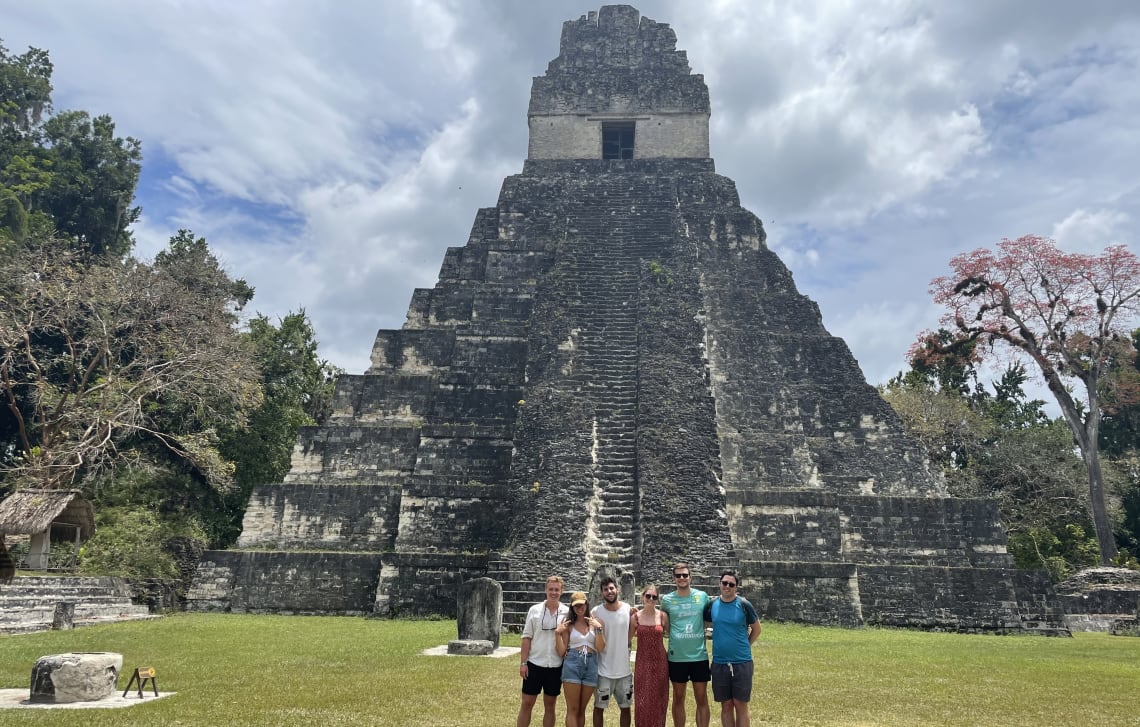
Human history is rich, complex, and filled with remarkable achievements. While much of our past exists only in books or ruins, some iconic historic sites have withstood time, nature, and even conflict. These sites serve as reminders of ancient civilizations, architectural brilliance, and cultural evolution. Let’s explore some of the most awe-inspiring historic sites still standing today from around the world.
1. The Great Wall of China – China
Stretching over 13,000 miles, the Great Wall of China is one of the most famous architectural feats in human history. Originally constructed over several dynasties, particularly during the Ming Dynasty, its primary purpose was to protect against invasions. Today, the wall stands as a testament to China’s historical strength and ingenuity, drawing millions of tourists each year.
2. The Colosseum – Italy
Located in the heart of Rome, the Colosseum is an enduring symbol of the Roman Empire. Built around 70-80 AD, this massive amphitheater could hold up to 50,000 spectators and hosted gladiator games, animal hunts, and mock naval battles. Despite damage from earthquakes and stone robbers over centuries, the Colosseum remains one of the most visited landmarks in Europe.
3. Machu Picchu – Peru
Hidden in the Andes Mountains, Machu Picchu is a 15th-century Incan city that was rediscovered in 1911. Built without the use of mortar, the precision of its stone construction and its harmony with the natural landscape have fascinated historians and travelers alike. This UNESCO World Heritage Site continues to mystify researchers and is considered one of the New Seven Wonders of the World.
4. The Pyramids of Giza – Egypt
The only surviving wonder of the original Seven Wonders of the Ancient World, the Pyramids of Giza were built more than 4,500 years ago. These monumental tombs for the pharaohs Khufu, Khafre, and Menkaure remain an architectural mystery. The precision and scale of the pyramids continue to inspire awe, showcasing the advanced engineering skills of ancient Egyptians.
5. Petra – Jordan
Carved directly into rose-colored rock cliffs, Petra was the capital of the Nabataean Kingdom as early as the 4th century BC. This archaeological wonder includes temples, tombs, and a famous structure known as Al-Khazneh, or “The Treasury.” Petra’s blend of natural beauty and human craftsmanship has made it a UNESCO site and one of the New Seven Wonders of the World.
6. Stonehenge – England
Stonehenge is one of the most iconic and mysterious prehistoric monuments in the world. Located in Wiltshire, England, the site dates back to around 3000 BC. Scholars still debate its original purpose—whether it was a burial ground, a ceremonial site, or an astronomical observatory. Its exact construction method remains unknown, making it a fascinating mystery of the ancient world.
7. Angkor Wat – Cambodia
Originally constructed in the early 12th century as a Hindu temple dedicated to Vishnu, Angkor Wat later became a Buddhist temple. Spanning over 400 acres, it’s considered the largest religious monument in the world. Intricate carvings and a stunning layout reflect the brilliance of Khmer architecture. It remains a vital symbol of Cambodia and appears on the country’s national flag.
8. The Acropolis – Greece
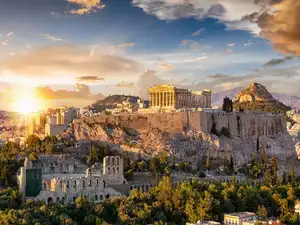
Overlooking Athens, the Acropolis is a hilltop citadel featuring ancient buildings like the Parthenon. Dating back to the 5th century BC, it was the center of Athenian life and democracy. The Parthenon, with its perfect proportions and Doric columns, is a pinnacle of classical Greek architecture and philosophy.
Conclusion
These enduring monuments are more than just tourist attractions—they are windows into human resilience, creativity, and culture. Each stone and structure tells a story of the civilizations that once were and still inspire awe today. As modern cities rise and technologies evolve, these historic sites remind us of our shared global heritage—and the timeless beauty of the past.