

In the last two decades, winter has transformed from a predictable season of consistent snowpacks and bone-chilling temperatures into something altogether different. Rising global temperatures, shifting precipitation patterns, and altered wildlife behaviors have combined to make what we once knew as winter almost unrecognizable. Here are four regions where winter’s face has changed completely over the past 20 years—and what that means for the people, ecosystems, and economies that once depended on the cold.
1. The American Northeast: Snow to Sleet to Rain
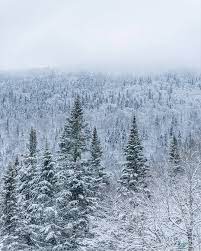
Two decades ago, the Northeast corridor—from Maine to Pennsylvania—was defined by heavy, plow-stopping snowstorms. Families built forts, ski resorts thrived on reliable snowpacks, and frozen rivers hosted rink hockey. Today, warmer temperatures have shifted many former snow events into freezing rain, sleet, or outright rain.
- Warmer Nights: Average winter nighttime lows in cities like Boston have risen by more than 2°F since the early 2000s. This means snow that once stuck is now apt to melt or turn into glaze ice.
- Shortened Ski Seasons: New England’s ski industry has seen a nearly 15% decline in average ski days over 20 years, with some lower-altitude resorts closing by early March.
- Infrastructure Stress: Roads and bridges designed for repeated freeze–thaw cycles are wearing out faster, while salt and de-icing chemicals are increasing runoff into already-stressed waterways.
2. The Alps: From White Peaks to Slushy Summers
Europe’s Alps have long been the poster child for alpine winters—snowy slopes, frozen lakes, and postcard villages below. But the last 20 winters have been less forgiving.
- Shrinking Glaciers: Alpine glaciers have lost up to 20% of their mass since 2000, altering runoff patterns and reducing natural water storage for summer months.
- Unreliable Snow Lines: Ski areas below 6,500 feet now struggle to maintain a reliable base; artificial snowmaking has become ubiquitous, but at the cost of massive water and energy use.
- Economic Ripples: Tourism-dependent villages face off-season economic stress, forcing communities to diversify into hiking, mountain biking, and year-round festivals.
3. Siberian Taiga: Milder Cold and Invasive Species
Russia’s massive taiga—home to lynx, reindeer, and the world’s largest expanse of boreal forest—once endured winters of –40°F and months of frozen ground. Now, winters are shorter and milder.
- Thawing Permafrost: Vast swaths of permafrost are thawing earlier in the season, releasing greenhouse gases and destabilizing roads, pipelines, and buildings long built on solid ice.
- New Pests on the Move: Bark beetles and other pests, once killed off by severe cold snaps, now survive winters and ravage pine forests, changing forest composition and raising wildfire risk.
- Indigenous Adaptations: Traditional reindeer herders have had to move migration routes and rely more on imported feed when ice crusts prevent reindeer from grazing lichens beneath the snow.
4. Japan’s Sea of Clouds: Less Fog, More Rain
The mountainous regions of central Japan are famed for their “sea of clouds” phenomena—thick winter fog that pools beneath peaks while villages lie in a white layer. Today, warmer air masses carry more moisture, reducing the temperature inversion that once trapped fog.
- Foggy Mornings Fading: Photographers and tourists who once flocked to capture the ethereal mist now encounter blue skies or drizzle instead of the dramatic clouds.
- Ecosystem Shifts: Forest undergrowth, once shielded by persistent fog, now sees more sunlight and moisture, altering plant and insect communities.
- Cultural Impact: Local festivals and folklore celebrating the “sea of clouds” are adapting to a season that no longer guarantees the mystical blanket that inspired poems and paintings.
What These Changes Mean
Winter’s transformation isn’t just an aesthetic shift—it carries deep consequences:
- Economic Uncertainty for ski towns, ice-fishing communities, and winter tourism.
- Ecological Disruption as species adapted to deep freezes struggle, while others expand into new territories.
- Infrastructure Challenges from thawing ground and more frequent freeze–thaw cycles.
- Cultural Loss as traditions built around snow and ice fade or require reinvention.
Looking Ahead
While these changes are stark, they also open pathways for adaptation. Snowmaking innovations, diversified local economies, and sustainable land management can help communities adjust. But meaningful progress hinges on broader climate solutions—reducing emissions, protecting habitats, and building resilient infrastructure.
Winter may never return exactly as it was 20 years ago. Yet, through innovation and collective action, we can shape a future where the magic of the season endures, even if it looks—and feels—a little different.