


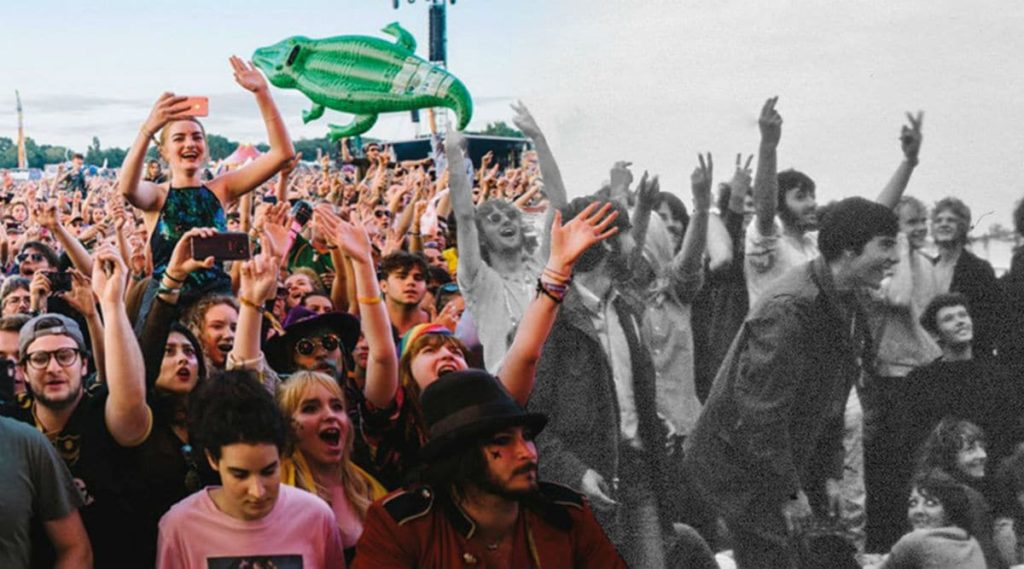
Across the globe, festivals are celebrated with distinctive sartorial choices that reflect deep-rooted traditions and communal identities. In India, during festivals like Diwali and Holi, individuals don vibrant saris, kurtas, and intricate jewelry, each piece meticulously chosen to honor the occasion and heritage . Similarly, in Africa, events such as the Durban July in South Africa and the Notting Hill Carnival in London showcase traditional African-inspired fashion, featuring Ankara prints, beadwork, and headwraps that symbolize heritage and unity .
These garments are not mere adornments; they are visual representations of the wearer’s lineage, community, and shared experiences. Each stitch and pattern tells a story of resilience, celebration, and cultural pride.
The Evolution of Festival Fashion
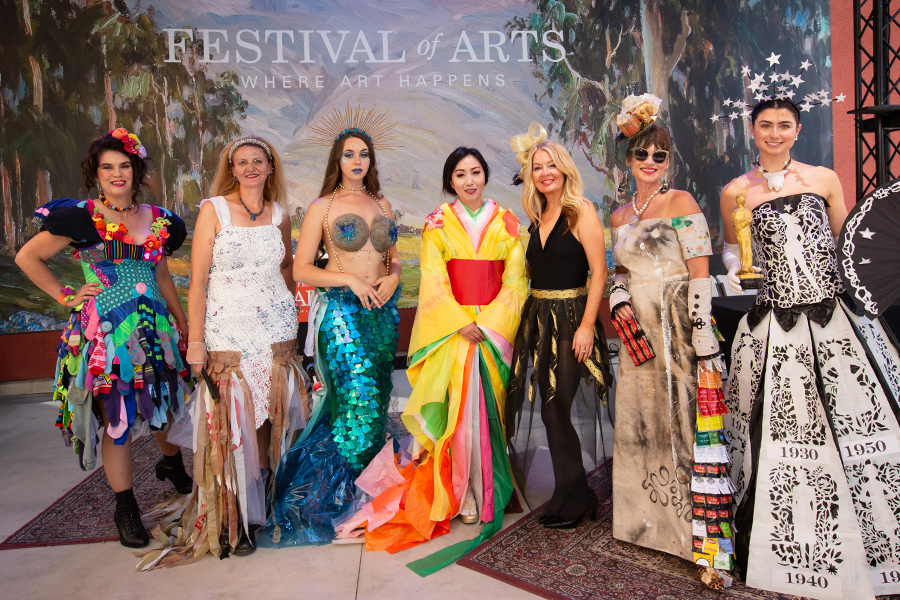
Over the decades, festival fashion has evolved, influenced by societal changes, music movements, and global interconnectedness. The 1969 Woodstock Festival epitomized the counterculture movement, with attendees donning handmade garments, tie-dye shirts, and fringed vests, symbolizing rebellion against mainstream norms .
In contemporary times, festivals like Coachella have become global platforms for fashion experimentation, blending bohemian chic with streetwear influences. Neon hues, holographic fabrics, and gender-fluid silhouettes dominate the scene, reflecting a society increasingly embracing diversity and individualism .
The Fine Line: Cultural Appreciation vs. Appropriation
While festival fashion celebrates cultural diversity, it also raises pertinent questions about cultural appropriation. The adoption of traditional garments or symbols without understanding their significance can lead to misrepresentation and disrespect. For instance, wearing a bindi as a fashion accessory without acknowledging its spiritual and cultural roots can be seen as trivializing a sacred symbol .
Recognizing this, festivals like Wireless in London have implemented dress codes promoting cultural sensitivity, prohibiting attire that may appropriate elements from various cultures, such as Native American headdresses or Indian bridal jewelry . This shift underscores the importance of respecting cultural symbols and understanding their meanings.
The Role of Indigenous Designers
Indigenous designers are increasingly taking center stage in festival fashion, offering authentic representations of their cultures. In Australia, the Melbourne Fashion Festival has showcased works by First Nations designers, highlighting the rich tapestry of Aboriginal and Torres Strait Islander art and design .
These designers not only preserve traditional crafts but also innovate, blending ancestral techniques with contemporary aesthetics. Their work empowers communities, promotes cultural pride, and educates the broader public about indigenous histories and narratives.
The Future of Festival Fashion
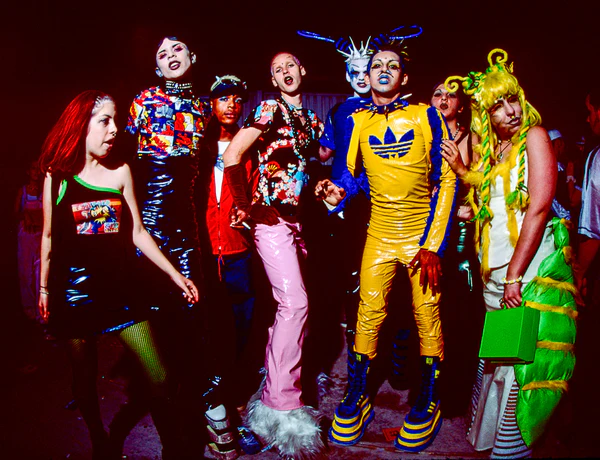
Looking ahead, festival fashion is poised to continue its evolution, driven by technological advancements, sustainability concerns, and a deeper appreciation for cultural narratives. Virtual festivals and digital fashion are emerging trends, allowing for global participation and the exploration of fashion in virtual realms.
Moreover, there is a growing emphasis on sustainable practices, with festival-goers opting for eco-friendly materials, upcycled garments, and supporting ethical brands. This shift reflects a collective consciousness towards environmental stewardship and responsible consumption.
Conclusion
Festival fashion is more than just a fleeting trend; it is a dynamic and evolving expression of cultural identity, creativity, and social consciousness. As we adorn ourselves for festivals, let us do so with an understanding of the stories we wish to tell and the cultures we wish to honor. By embracing cultural appreciation over appropriation, we can ensure that festival fashion remains a true reflection of our shared humanity and diverse heritage.