



Fiji, a mesmerizing archipelago in the South Pacific, is celebrated for its pristine beaches, turquoise waters, vibrant coral reefs, and the warm hospitality of its locals. Whether you’re seeking a tranquil beach escape or an action-packed adventure, Fiji caters to every traveler.
This tropical haven offers a blend of relaxation, exploration, and cultural immersion. However, to fully enjoy its charm, it’s essential to understand a few cultural and practical nuances.
Here’s a list of essential travel tips to make your Fijian journey smooth and unforgettable:
1. Tipping Is Not Mandatory

Tipping isn’t customary in Fiji. Locals pride themselves on delivering excellent service without expecting gratuities. While it’s not required, expressing gratitude with a smile or a kind word is appreciated. Some resorts may include a service charge, but tipping remains optional.
2. Learn Basic Fijian Phrases
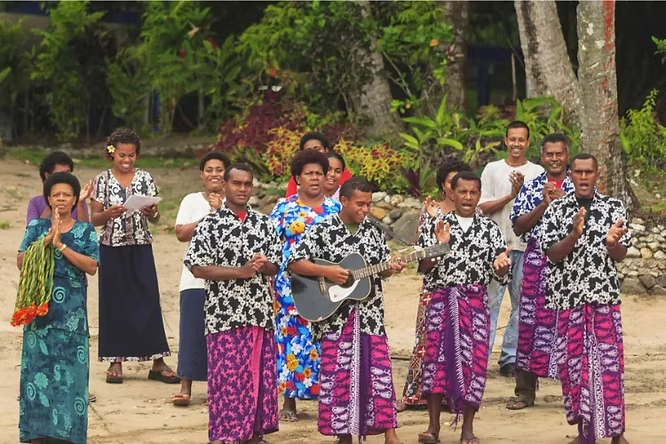
Though English is widely spoken, knowing a few Fijian words like “Bula!” (hello) or “Vinaka” (thank you) can create meaningful connections. Locals value the effort and will warmly welcome your attempts to speak their language.
3. Bring a Gift When Visiting Villages

If you plan to visit a traditional Fijian village, it’s customary to bring a gift, such as kava root, particularly for the village chief. This gesture of respect is integral to the sevusevu (welcome ceremony). Check with your guide for specific protocols before visiting.
4. Respect Kava Drinking Traditions
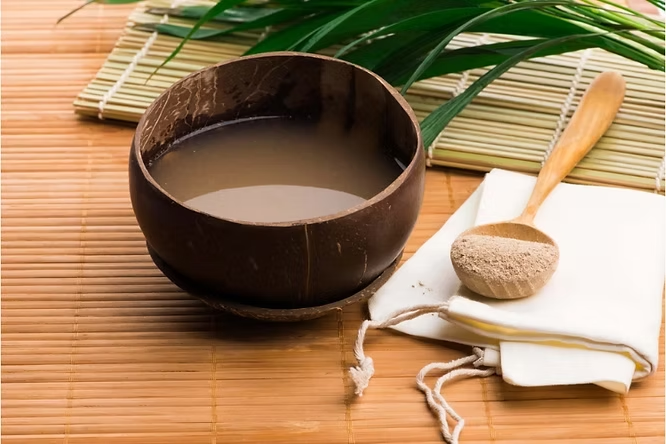
Kava, a traditional Fijian drink, is central to many ceremonies. When offered kava, follow the etiquette: clap once, say “Bula,” drink it in one go, and clap three times afterward to show gratitude.
5. Carry Cash for Convenience
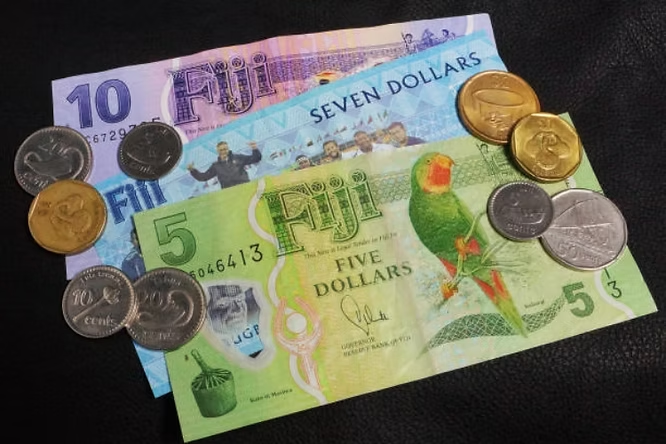
While credit cards are accepted in larger towns, cash is often preferred in smaller villages, markets, and remote areas. The local currency is the Fijian dollar (FJD). Exchange money at airports, banks, or currency offices to ensure you have sufficient cash for your travels.
6. Embrace Sunday Traditions
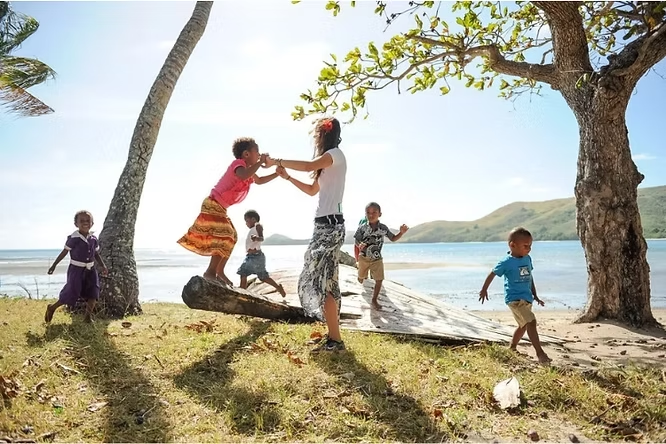
Sundays in Fiji are dedicated to rest and worship. Many businesses and markets close, and locals attend church or spend time with family. If visiting traditional areas, expect a slower pace of life on Sundays.
7. Plan for the Best Season

Fiji’s dry season (May to October) offers pleasant weather with lower humidity and minimal rainfall, making it ideal for outdoor activities like snorkeling and diving. The wet season (November to April) brings warmer temperatures, more rain, and occasional cyclones, so plan accordingly.
With these tips in mind, you’re all set to immerse yourself in Fiji’s breathtaking landscapes, rich traditions, and warm hospitality. ?