



In the depths of winter, when the landscape is draped in pristine snow, an exhilarating adventure awaits you, a ski trip. Embarking on your first ski trip is a thrilling experience, offering the excitement of breathtaking mountain vistas and the adrenaline rush of exhilarating descents.
The refreshing mountain air, the sound of skis slicing through the snow, and the breathtaking views that stretch as far as the eye can see offer an experience like no other. However, to make the most of this experience, you should be aware of the potential pitfalls that you can experience on the slopes.
Check out this list of the eight common mistakes that you should avoid on your first ski trip to ensure a smooth journey on the slopes.
1. Neglecting Proper Gear
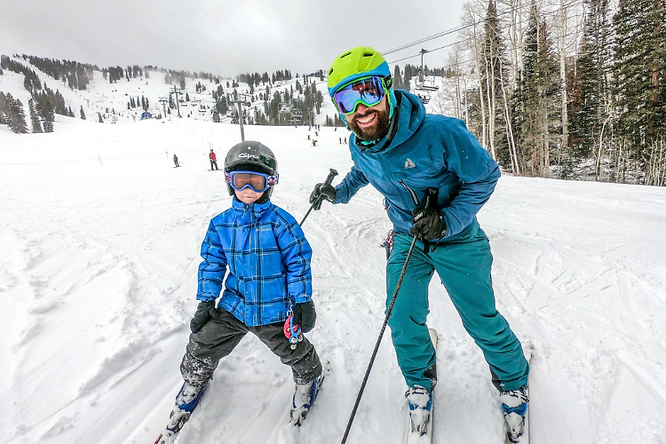
One of the key factors for a successful ski trip is having the right equipment. Renting or purchasing high-quality skis, boots, and poles is essential. Additionally, ensure your clothing is warm, waterproof, and layered for maximum comfort. Remember to protect your head with a reliable helmet and invest in quality goggles to shield your eyes from snow blindness.
2. Skipping Lessons
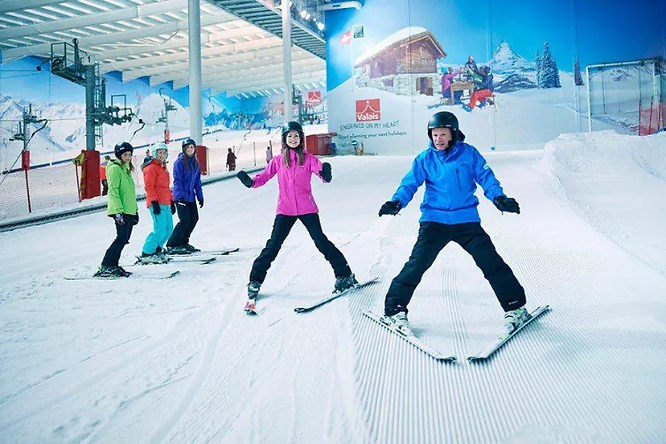
While it might be tempting to jump right into skiing, taking professional lessons is a game changer for beginners. Instructors provide valuable guidance on the basics, like balance, posture, and controlling your speed. Even if you’re a quick learner, lessons can help you build a solid foundation, making your entire skiing experience safer and more enjoyable.
3. Overestimating Your Abilities
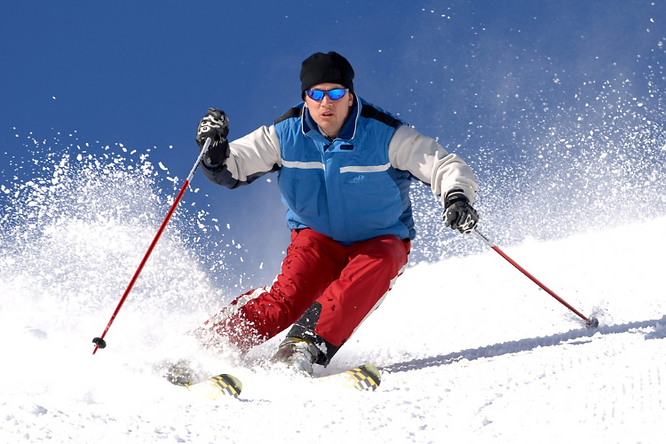
It’s natural to be enthusiastic and eager to conquer the slopes, but overestimating your abilities can lead to frustration and even accidents. Start on beginner slopes and gradually progress to a more challenging landscape as you gain confidence and skill.
4. Neglecting Safety Guidelines
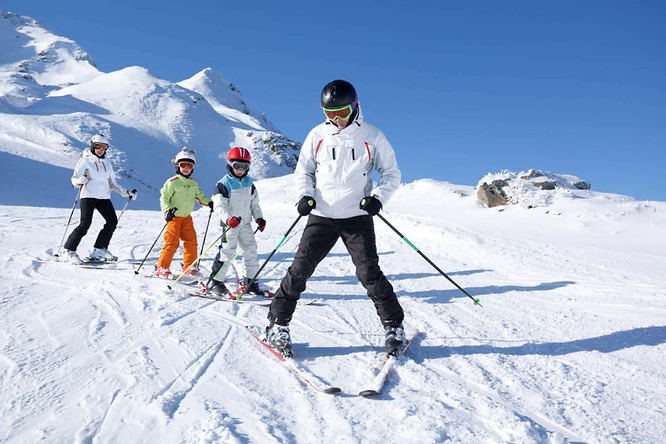
Safety should always be your top priority on the slopes. Familiarize yourself with the skier’s code and follow it diligently. Yield to those downhill from you and remain constantly aware of your surroundings.
5. Ignoring Weather Forecasts
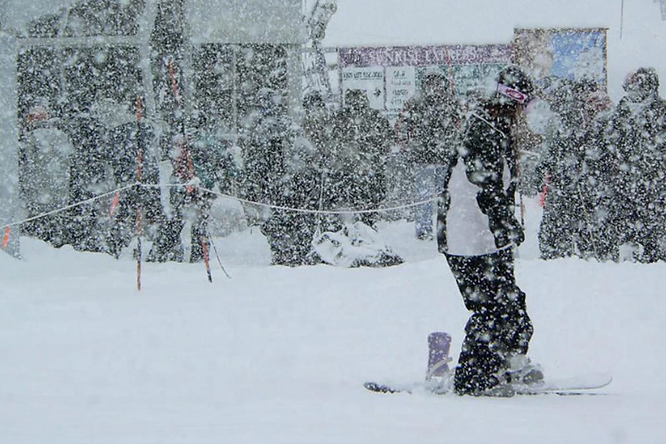
Mountain weather can be unpredictable, so it’s crucial to stay informed about conditions before heading out. Dress in layers to adapt to fluctuating temperatures and be prepared for various types of precipitation. If severe weather is forecasted, consider rescheduling your ski day or seek shelter in a lodge.
6. Not Staying Hydrated and Nourished
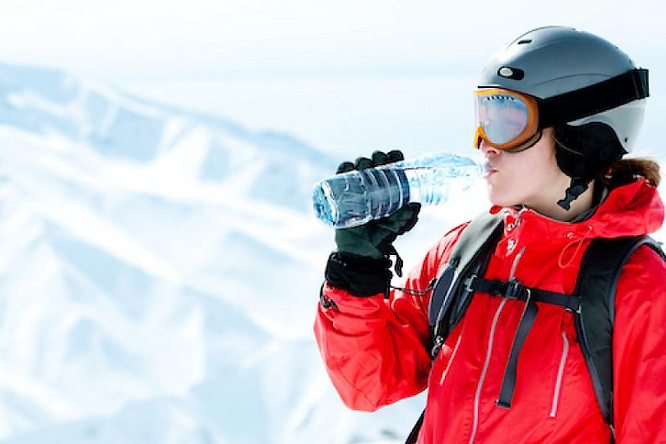
The combination of high altitude and physical exertion can quickly lead to dehydration and fatigue. Carry a water bottle and drink regularly to stay hydrated. Pack energy-rich snacks such as trail mix, energy bars, and fruits to maintain stable energy levels throughout the day.
7. Failing to Plan Rest Breaks
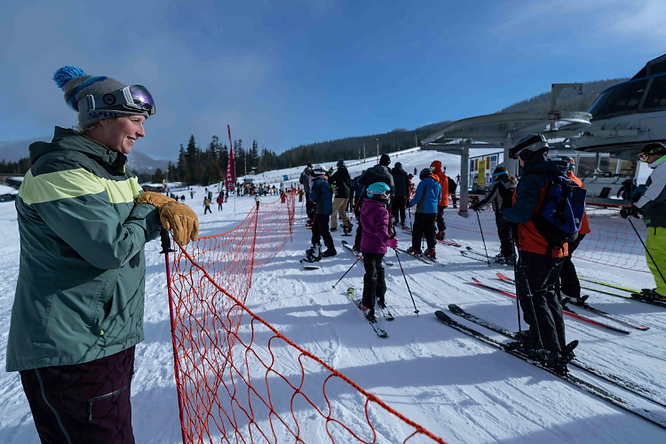
Skiing can be physically demanding, particularly for beginners. It’s essential to plan regular breaks to rest, relax, and recharge. Look for designated rest areas and take advantage of mountain lodges for warm drinks and nourishment. Taking time to rest will improve your overall experience and help prevent burnout.
8. Forgetting About Altitude Sickness
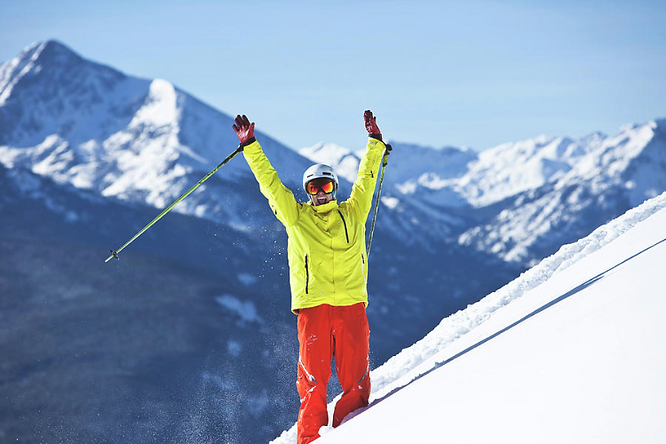
If you’re skiing at a high-altitude location, be mindful of the potential for altitude sickness, which can cause symptoms like headache, dizziness, and shortness of breath. Take it easy on your first day to allow your body to acclimate.