


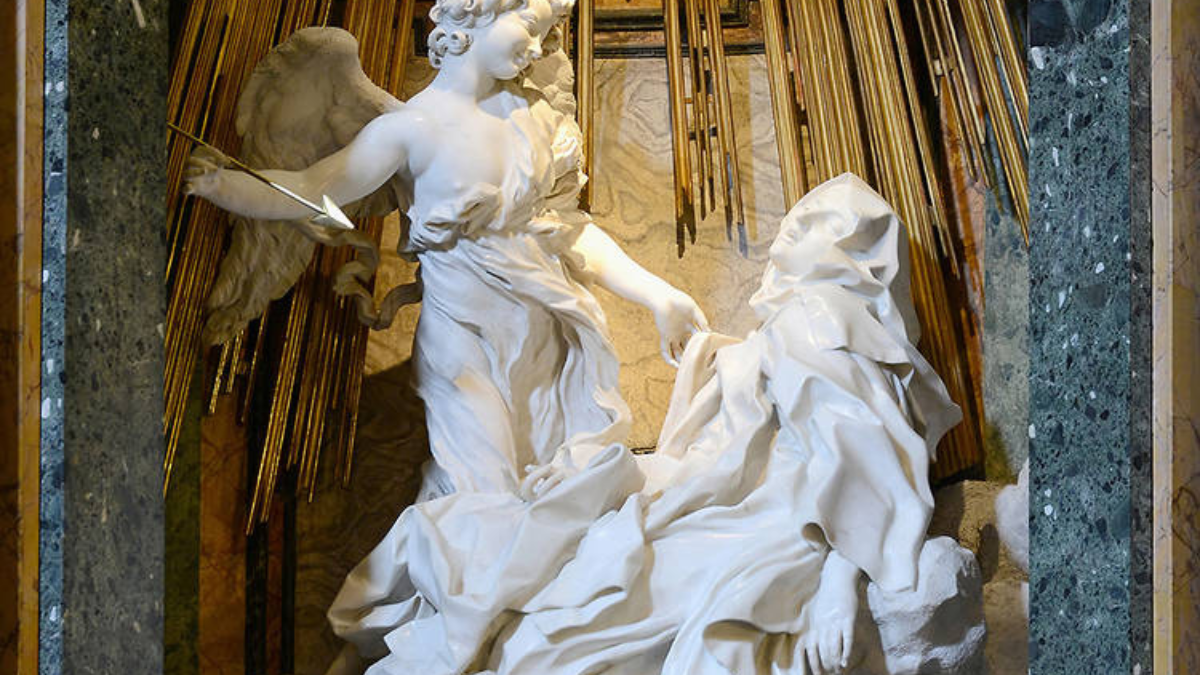
Throughout history, sculptures have fascinated viewers with their artistry, craftsmanship, and ability to convey intense emotions and stories. From ancient masterpieces to modern marvels, sculptures continue to inspire awe and admiration around the world.
Check out this list of the top 7 most magnificent sculptures in history that are worth having a look at.
1. David by Michelangelo
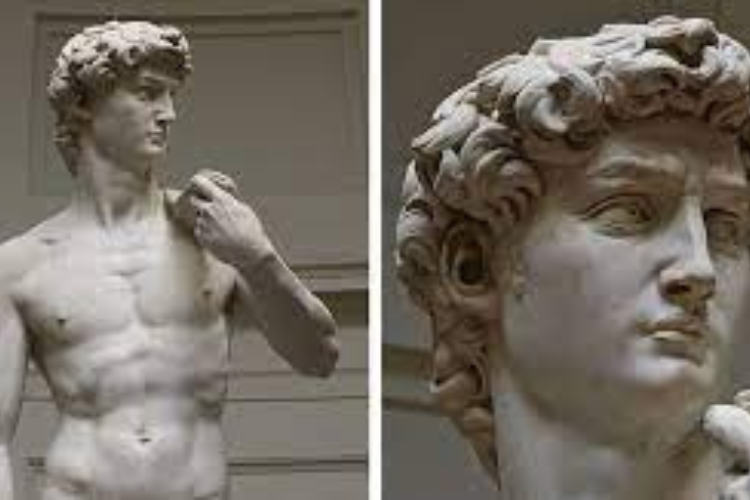
Michelangelo’s David is perhaps one of the most famous sculptures in the world. Created between 1501 and 1504, this masterpiece of Renaissance sculpture depicts the biblical hero David in the moments before his legendary battle with Goliath. It stands at an impressive 17 feet tall and is known for its lifelike proportions, exquisite detail, and sense of dynamic movement. Placed at the Accademia Gallery in Florence, Italy, David incorporates the ideal of human beauty and strength.
2. The Thinker by Auguste Rodin

Auguste Rodin’s The Thinker is a bronze sculpture created in 1904. It is part of a larger work named “The Gates of Hell,” inspired by Dante’s “Divine Comedy.” The sculpture depicts a muscular man deep in thought with his hand resting on his chin. The Thinker has become synonymous with contemplation and philosophical reflection, displaying Rodin’s mastery in capturing human emotion and introspection. The original version is housed at the Musée Rodin in Paris, France.
3. The Pieta by Michelangelo
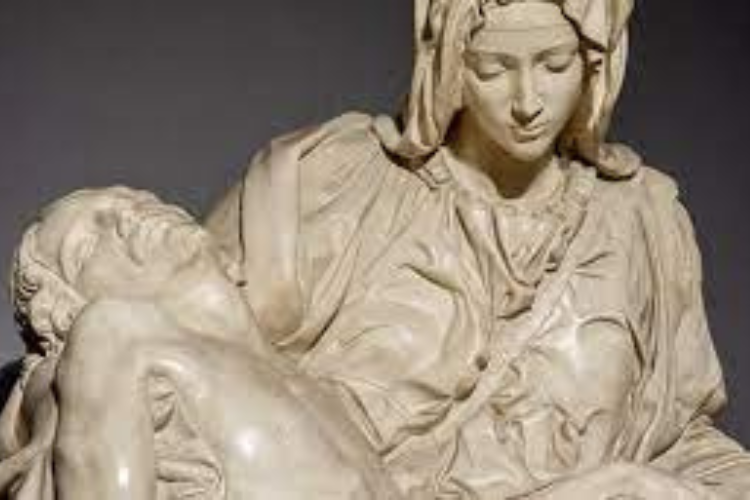
Another masterpiece by Michelangelo, The Pieta (1498-1499) is a sculpture depicting the Virgin Mary cradling the body of Jesus Christ after the Crucifixion. Carved from a single block of marble, The Pieta is known for its intricate detail, emotional intensity, and delicate portrayal of maternal grief. It is situated in St. Peter’s Basilica in Vatican City, where it continues to awe visitors with its spiritual and artistic significance.
4. Winged Victory of Samothrace
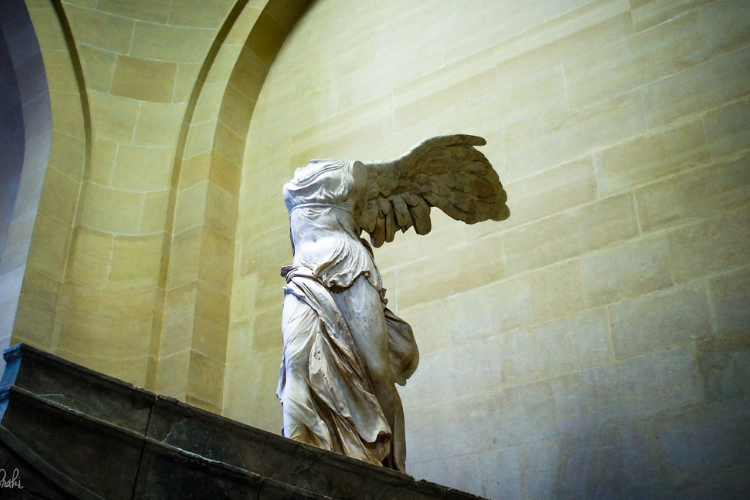
The Winged Victory of Samothrace, also known as the Nike of Samothrace, is a stunning marble sculpture of the Greek goddess Nike (Victory). Created around the 2nd century BC, this Hellenistic masterpiece stands prominently at the Louvre Museum in Paris, France. The sculpture captures Nike in mid-flight, her flowing garments and wings flowing dramatically behind her. It symbolizes triumph and majesty, demonstrating the dynamic and expressive style of Hellenistic art.
5. Ecstasy of Saint Teresa by Gian Lorenzo Bernini
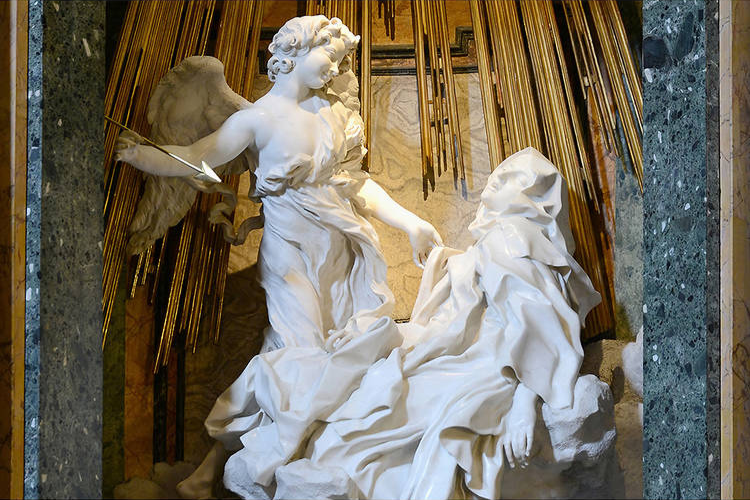
Gian Lorenzo Bernini’s Ecstasy of Saint Teresa (1647-1652) is a masterpiece of Baroque sculpture located in the Cornaro Chapel of the Santa Maria della Vittoria church in Rome, Italy. It depicts the moment when Saint Teresa of Ávila, a Spanish mystic and Carmelite nun, experiences a divine vision of an angel piercing her heart with a flaming arrow. Bernini’s skillful use of marble creates a sense of movement and emotion, making the viewer feel as though they are witnessing an absolute moment of spiritual ecstasy.
6. The Great Sphinx of Giza
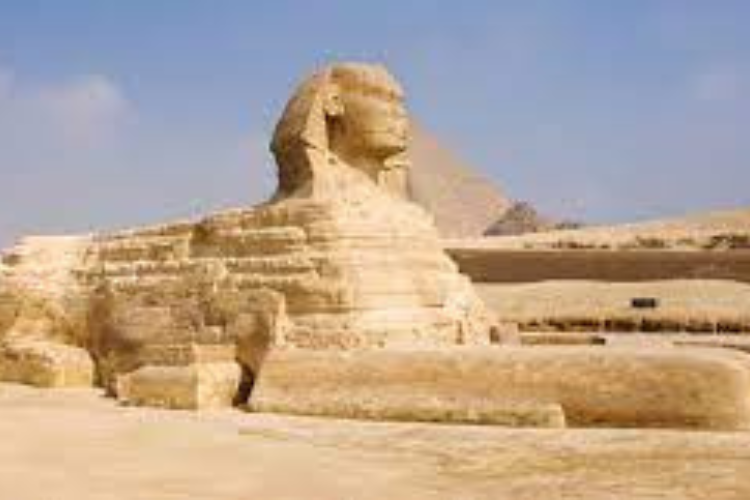
The Great Sphinx of Giza is a colossal limestone statue of a reclining sphinx, a mythical creature with the body of a lion and the head of a human, believed to represent the Pharaoh Khafre. Located on the Giza Plateau near Cairo, Egypt, it is one of the oldest and largest sculptures in the world, dating back to around 2500 BC during the Old Kingdom of Egypt. The Sphinx is admired for its monumental size, enigmatic expression, and symbolic significance in Egyptian mythology and history.
7. Venus de Milo
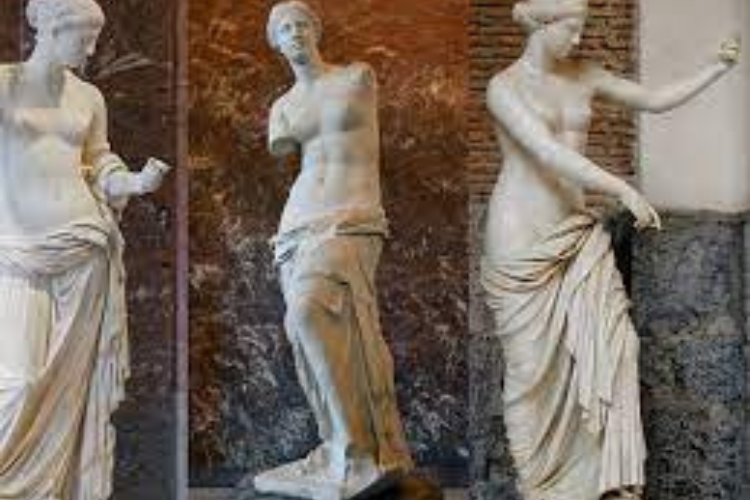
The Venus de Milo is an ancient Greek marble sculpture depicting Aphrodite, the goddess of love and beauty. Created between 130 and 100 BC, the statue is believed to be the work of Alexandros of Antioch. It is renowned for its graceful pose, delicate drapery, and serene expression. Currently situated at the Louvre Museum in Paris, France, the Venus de Milo remains a lasting symbol of classical beauty and elegance.